For slate plants
Felts, meshes and parts for slate lines
Consumables and spare parts for corrugated and flat sheet lines, direct from manufacturing plants in China. We select by machine dimensions and nameplate photo and inspect the lot before shipment.
+998 99 011 62 29Tashkent, Uzbekistan · UTC+5
How to order
What to attach to the request
- 01
Nameplate photo
The whole plate of the machine or unit, so that make, model and year are readable. If it is worn off, a photo of the unit where it is installed.
- 02
Machine dimensions
For a felt or sieve: width, length around and machine type. For a unit: three or four mounting dimensions.
- 03
Old part number or drawing
A previous delivery number, a catalog page or a drawing speeds up selection but is not required.
- 04
Quote for the lot
We find the manufacturing plant, check the item against your dimensions and send a quote.
What we supply
By section of the line
For asbestos cement and fiber cement sheet plants in Uzbekistan, Kazakhstan, Kyrgyzstan and Tajikistan: Hatschek machines, presses, demoulding, curing.
Items and sizes follow the bureau catalog as of 29.10.2026. If your size is not in the row, send it — we will source it from the plant.
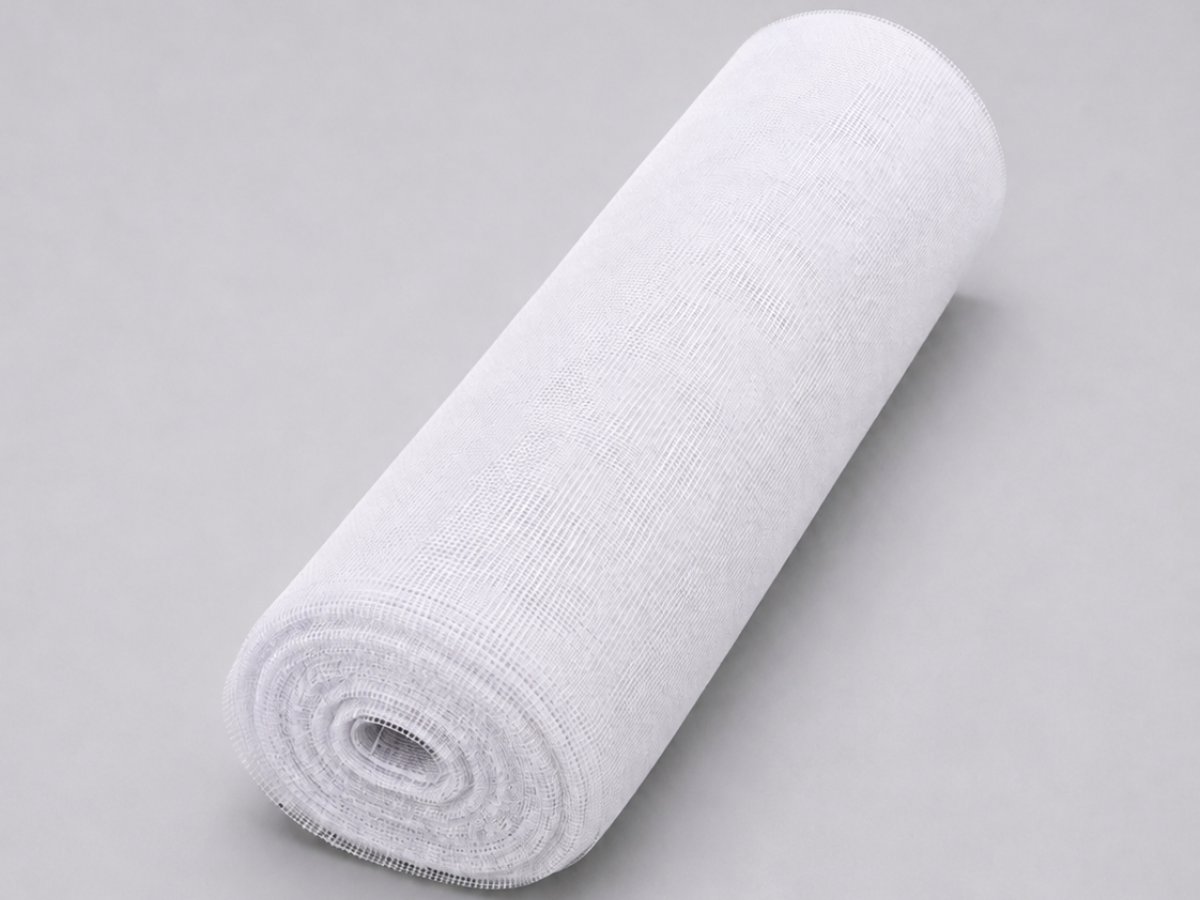
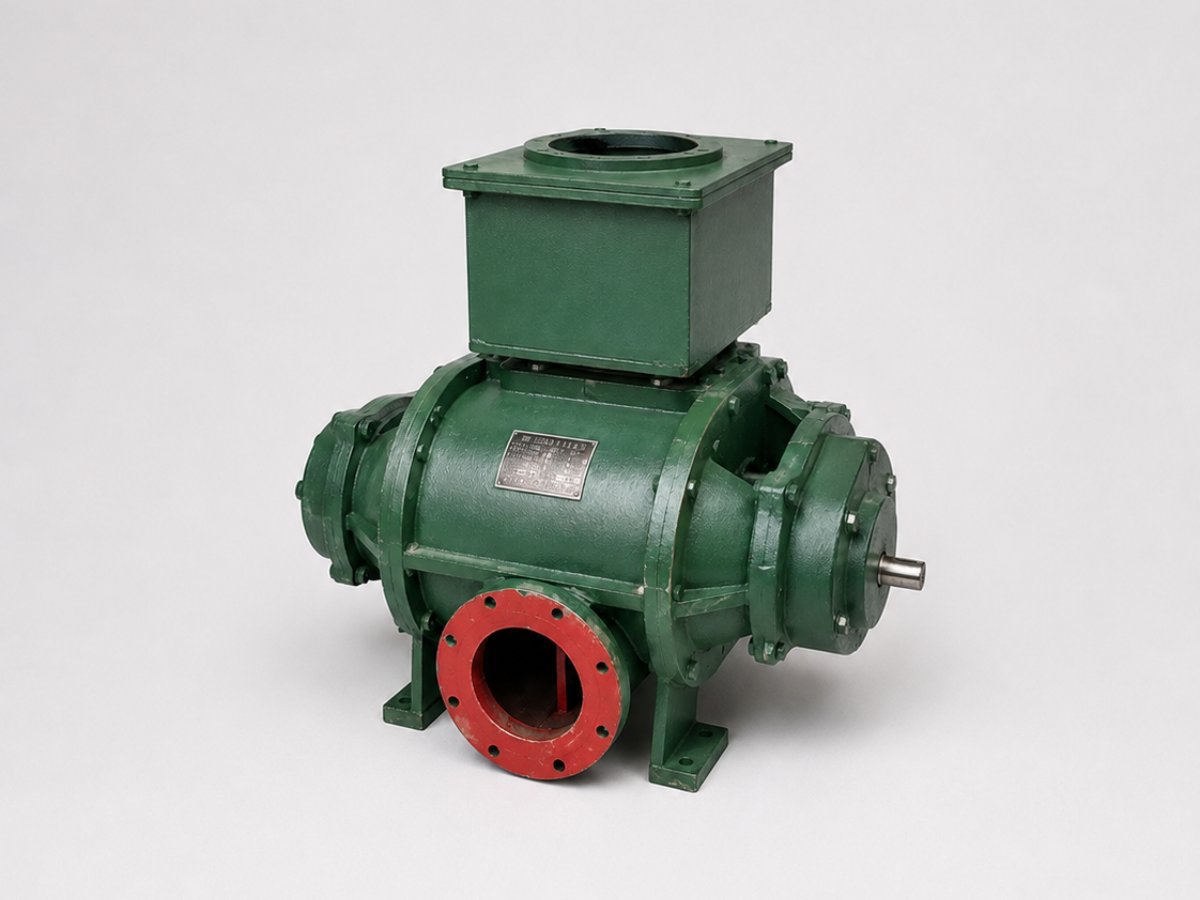
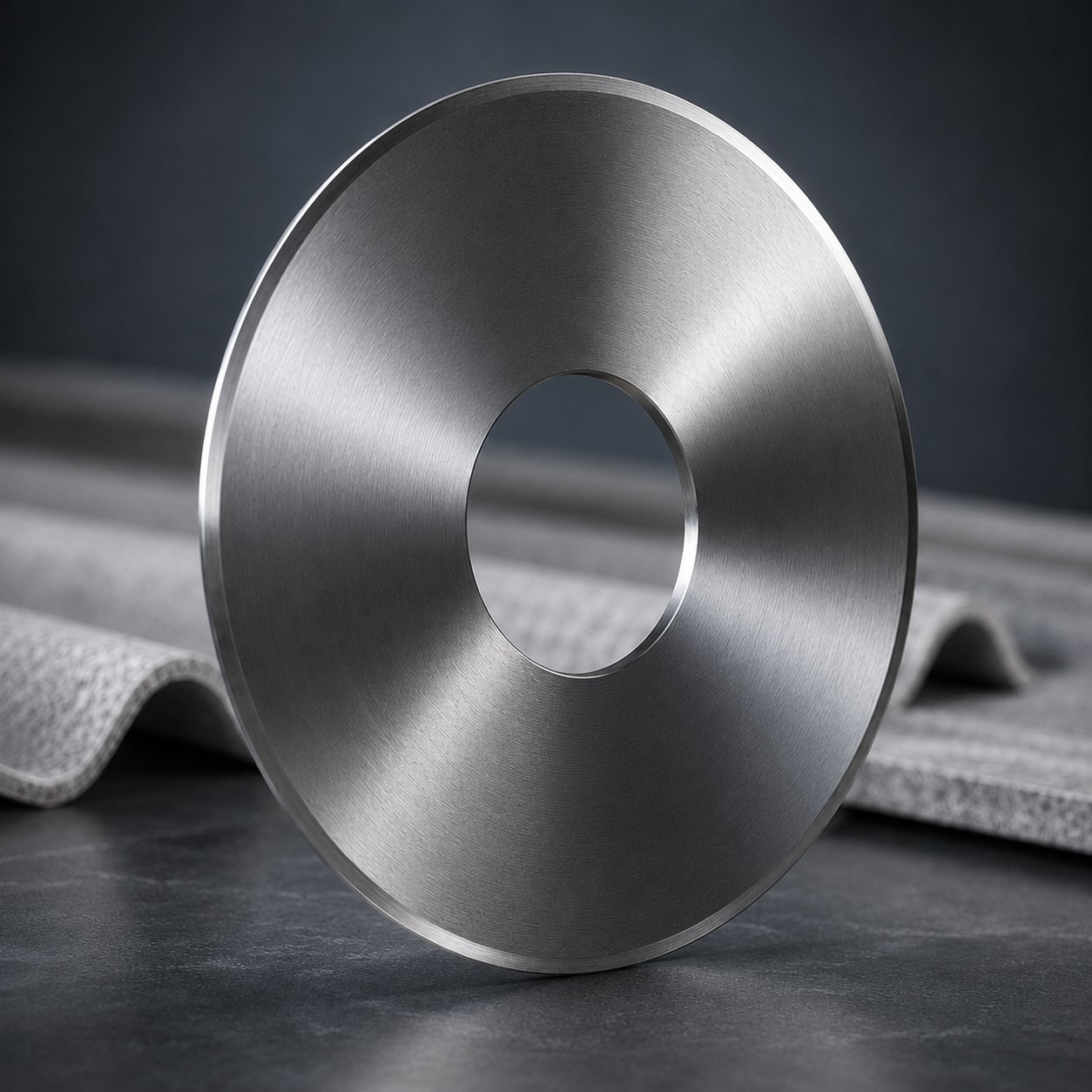
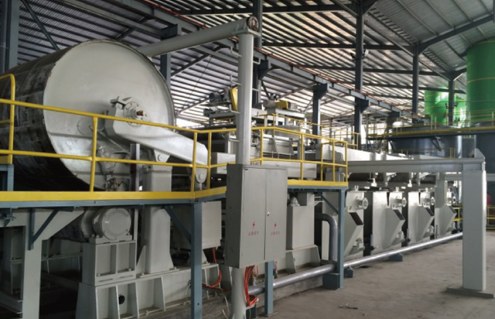 01 · SectionFormingForming felts, sieves and meshes for cylinder moulds, cutting knives and discs, vacuum pumps.Felt 1000–1900 g/m² · meshes 40 and 80 mesh · vacuum panel 1900×490×50 mm14ItemsCylinder screen and meshes
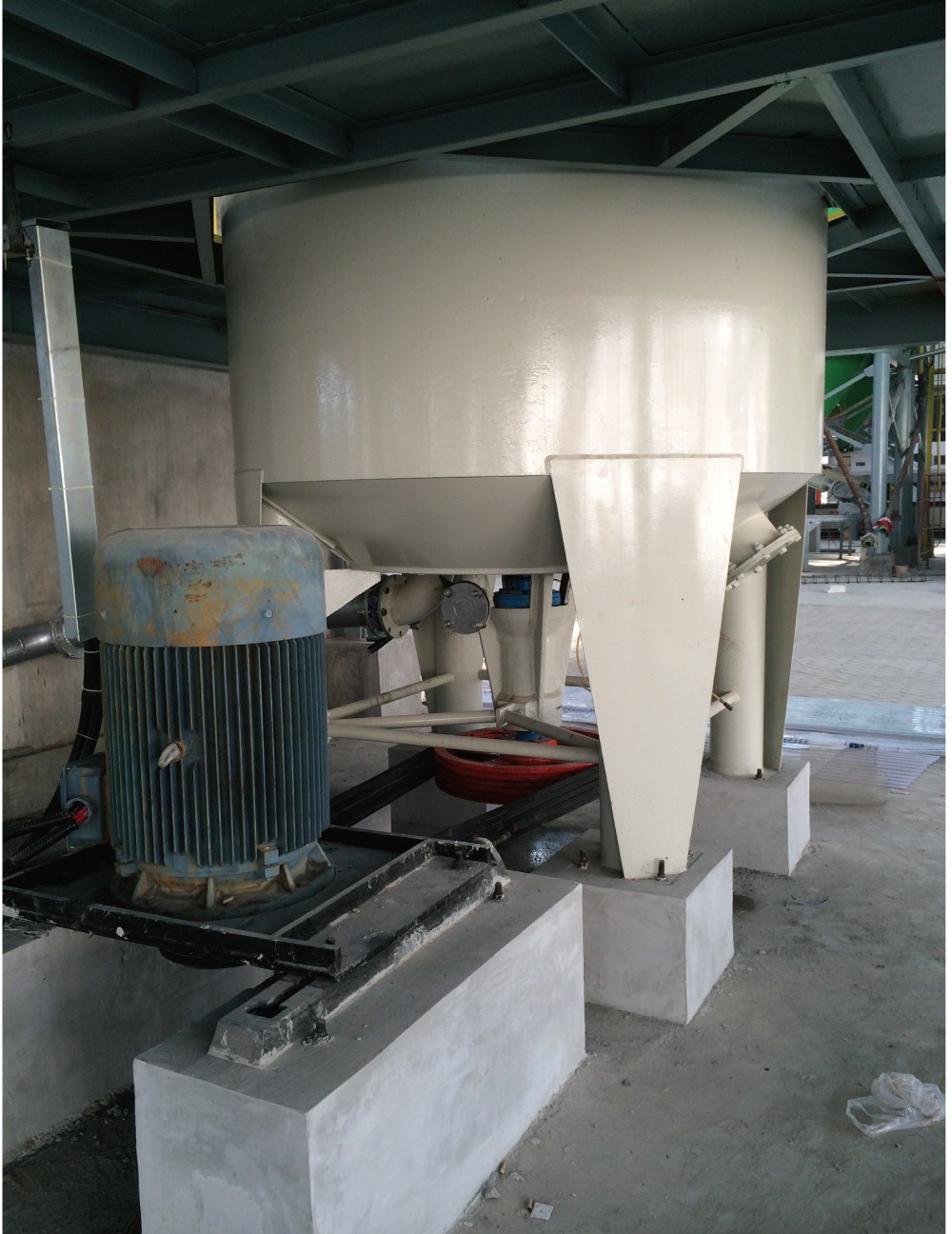 02 · SectionStock preparationHydrapulpers, disc and ball mills, vortex cleaners, slurry pumps.Hydrapulper 3–35 m³ · refiner Ø 450–600 mm · pump 150–250 m³/h6Items
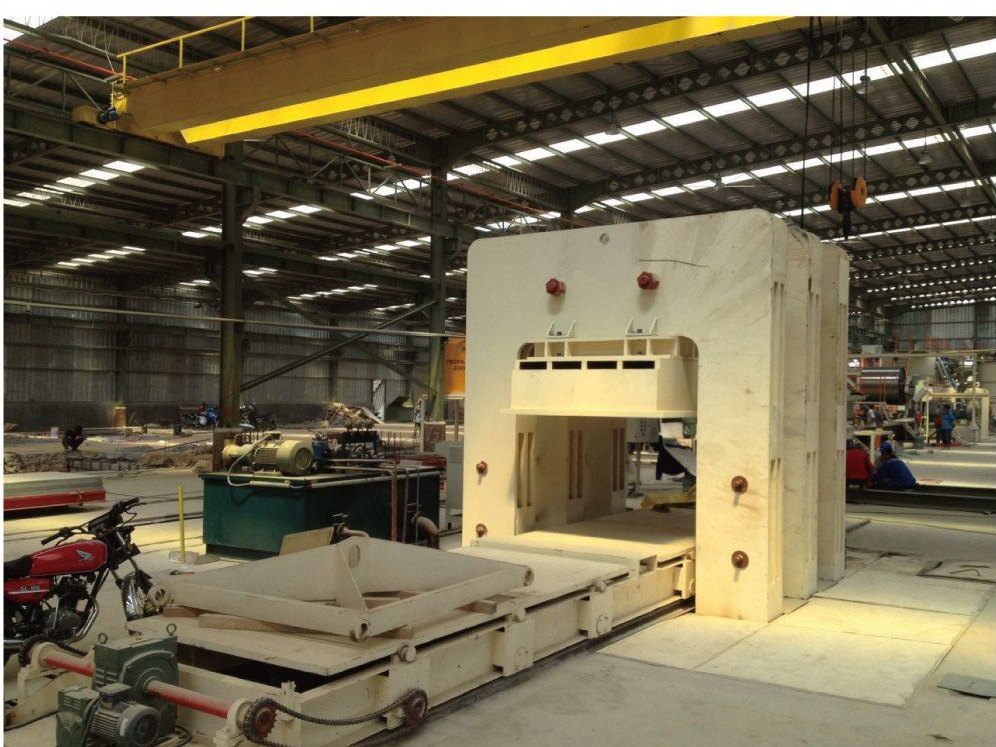 03 · SectionPress and demouldingHydraulic presses, demoulding machines, stackers, hydraulic pumps and control blocks.Press 3000–15000 t · sheet 2440×1220 mm · hydraulic pump 6.3 MPa7Items
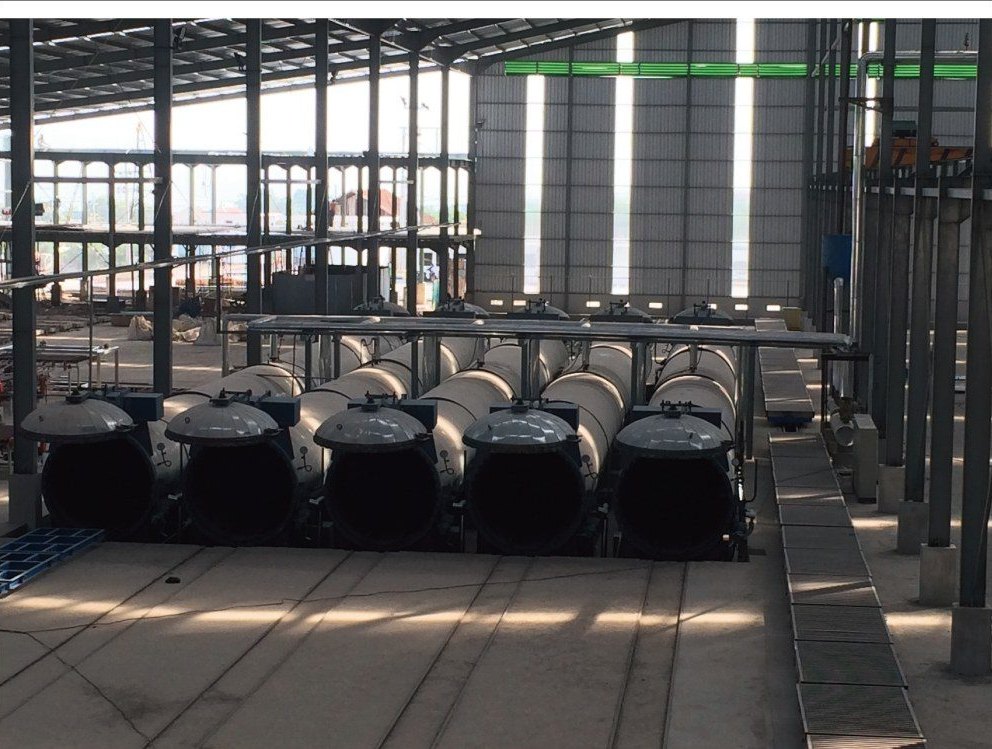 04 · SectionCuringAutoclaves for fiber-cement sheet, steam boilers for steam curing and autoclaves.Autoclave 0.8–1.1 MPa, 180 °C · boiler 1–75 t of steam per hour7Items
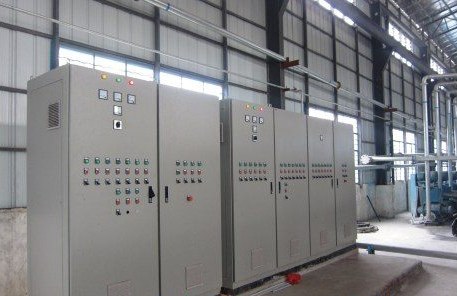 05 · SectionDrives and automationBearings for rolls and drums, electric and servo motors, controllers, weighing indicators.Bearings 20×52×15 … 90×190×64 mm · motors 1.5–22 kW48Items
- 06 · SectionComplete lineTurnkey line for asbestos-cement and fiber-cement sheet, with the manufacturer’s supervised installation.Sheet 2440×1220 mm · Hatschek forming · stacking cycle 12–15 s1Items
Catalog
Key items for the forming section
Knowledge
Articles for mechanics and process engineers
- Slate line machines and which parts wear out firstA fibre-cement sheet line is a chain of stages: raw material preparation, milling, fibre opening, the forming machine, press, curing, demolding, autoclave, cutting. What wears out first is whatever rubs against the slurry and the sheet: forming felts, screens, knives, shaft bearings and slurry pumps.
- Forming felt for sheet lines: how to choose and when to changeChoose the felt by the slurry the machine runs on (asbestos cement or fibre cement), the type of fabric (woven or needle-punched), the density in g/m² and the exact width and length of your machine. Change it when it clogs and drains poorly, stretches or starts to mark the sheet.
- Cylinder mould screen: which mesh to fit and when to replace itThe screen decides how much fibre and cement stays on the cylinder and how much leaves with the water. Choose the mesh by the slurry (asbestos cement or fibre cement), by its number (meshes per inch) and by the wire material. Replace it by condition: clogged, torn, sagging or giving an uneven layer.
- Why forming felt clogs fast and how to make it last longerThe felt on a sheet machine is clogged by cement and fines from the slurry; this is unavoidable. It clogs fast when washing cannot cope, when the slurry is not what it should be, or when the felt does not suit the slurry. Its life is extended by sprays, suction, correct tension and a stable slurry, not only by changing the supplier.
- How to measure a forming felt and cylinder screen for an orderTo order a felt you need the length of the closed loop under working tension, the width, the joint type (endless or seamed), the fabric type and density, the slurry and the machine. Take the length from the machine passport or a previous order; if you measure on the machine, use a non-stretch cord with the tensioner at mid-travel, never the old felt lying on the floor.
- How to trial a felt from another maker without risking outputA new felt is trialed on one machine, with a proven felt in reserve nearby. Before installation, record how your current felts perform; during the trial, record vacuum, sheet thickness and moisture, marks on the sheet, washes and the day of removal. Compare felts of the same age. One trial felt shows whether the fabric suits your machine at all, but does not prove the whole lot will be the same.
- Spare parts for an old Soviet line: where to get them with no plantSpare parts for a line whose manufacturer has closed fall into three groups. Standard units — bearings, motors, gearboxes, belts — are converted to current designations and ordered from any maker. Original parts — shafts, knives, gears, bushings — are made to a drawing or from measurements. A unit that cannot be repeated is replaced whole with a modern one with the same connecting dimensions.
- When to order spare parts so you do not stand in the seasonCount from the date the part must be in your hands: the start of the repair shutdown or the start of the sales season. From it subtract the production time, transport, customs and a reserve for the unexpected — that gives the last order day for each item. Felts, screens, parts to drawing and large bearings are ordered first; off-the-shelf consumables last.
- How to draw up a slate plant's annual request for parts and feltsAn annual request is one table by lines and units: item, marking or size, consumption per year, stock, how much to order, urgency, who approved. Consumption is taken from the replacement log, not from memory. Items are divided into long (felts, screens, parts to drawing) and quick, and the long ones are sent as one package in advance.
- How to choose a felt and screen supplier: what to ask before orderingBefore ordering, find out five things: whether the supplier makes the felts himself or resells them; on what slurries and machines his felts already work; whether there is a data sheet with the test methods; how he keeps lots uniform; how he handles a claim. Then one trial felt on your machine, and only after that a stock.
Request