Technical specification for a slate line: what to write to the plant
A technical specification is your requirements for the line on paper: which sheet and to which standard, from what raw materials, how much per shift, how it cures, what is in the supply, what automation, in what language the documents are, which spare parts and training, how you will accept it. It is attached to the contract, and the line is later accepted against it.
In short
4minutes to read
4sections
4sources
4catalog items
In this article
A technical specification (TS) is not for show. It is the only document in which the requirements for the line are written in your words, not the seller's. It is attached to the contract, quotations are compared against it, and the line is accepted at your plant against it. A good TS describes what the line must do, not how to build it: let the plant propose the solutions, and you will be able to check them against your requirements. Below are the sections worth having in it.
Sections of the TS
1. Product
Type of sheet (corrugated, flat), profile, sizes, thicknesses, painting. The standard to which the sheet must pass tests: name it. If the line will make several kinds of sheet, list them all and say which is the main one.
2. Raw materials
What raw materials you will use: cement, fibers, fillers, water. The more precisely your raw materials are described, the more precisely the plant will choose the slurry preparation and the felts. If you can, send samples to the plant before the design.
3. Output
How many good sheets of your format per shift, how many shifts per day. Ask for the quotation to state the conditions under which this output is reached: speed, slurry, downtime, rejects.
4. Technology and modes
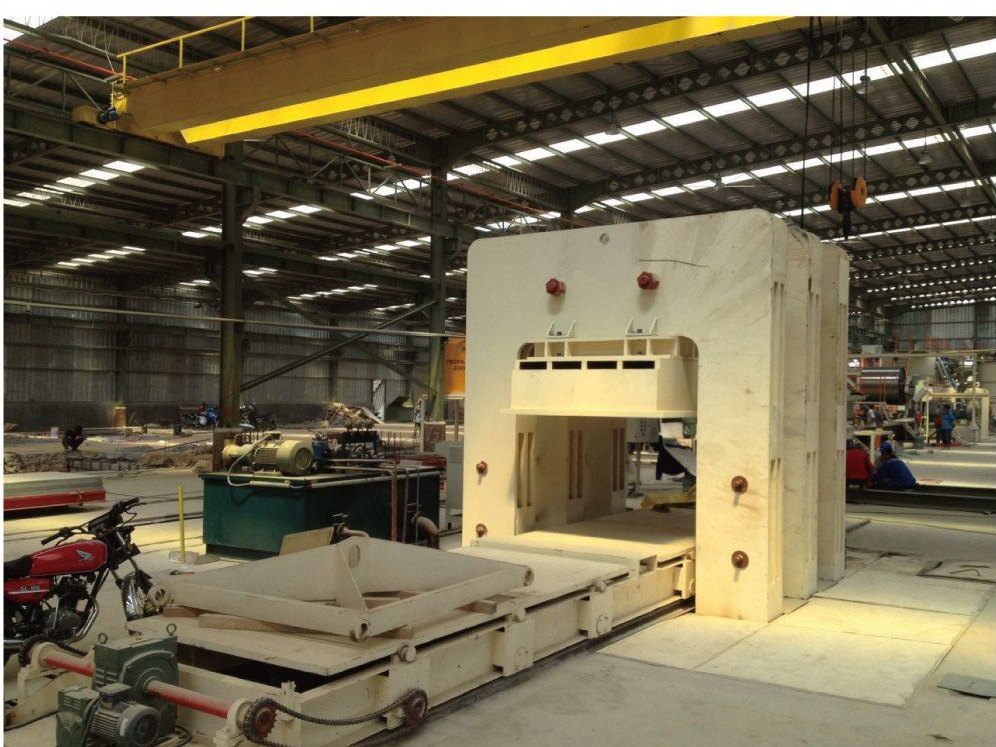
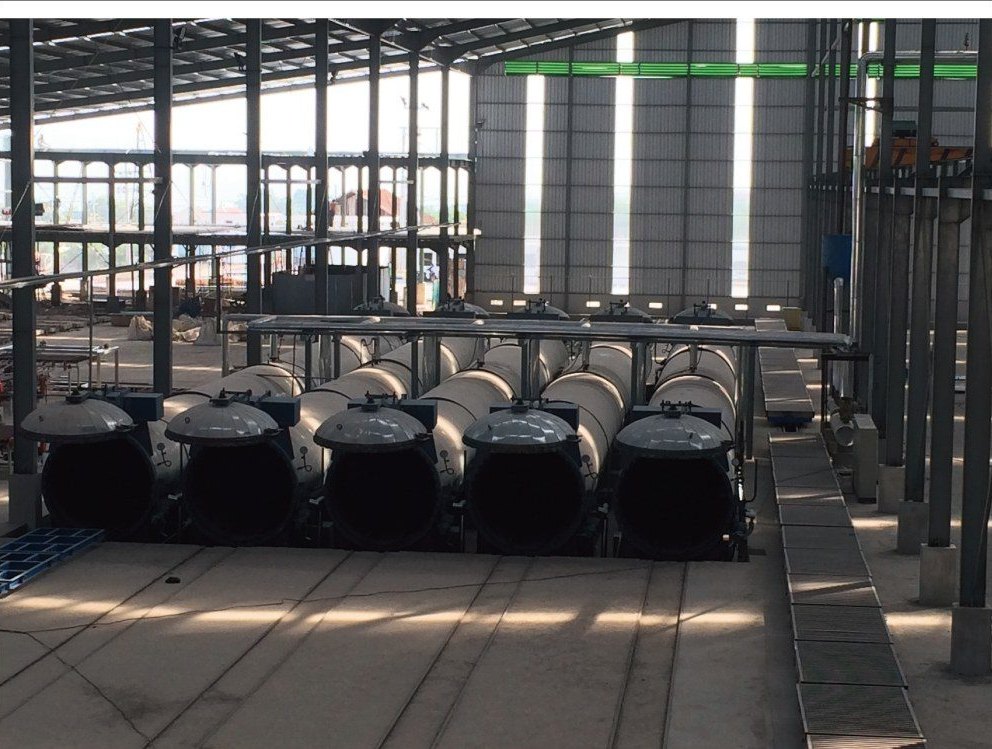
The forming method, whether a press is needed, how the sheet cures (chambers and air maturing, autoclave). Let the plant give the specific modes (temperatures, times, pressure) in the process regulations; in the TS, require that the regulations be part of the supply.
5. Scope of supply
A list by process stage: what the plant supplies, what you do. Separately: pipes, cables, platforms, recirculated water, boiler, compressor. Treat everything not named as not included.
6. Conditions on site
Mains voltage and frequency, available power, fuel for the boiler, water quality, climate (winter minimum, summer maximum, dust), workshop height and crane. The plant needs this data so that the machines work at your site, not only at theirs.
7. Automation
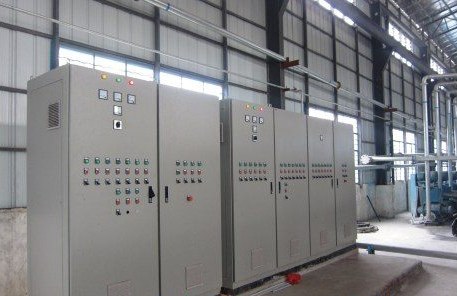
What is controlled automatically, which controllers and panels. The language of operator panels: Russian or another that your shifts understand. Handing over the controller programs in source form. Emergency stops and interlocks.
8. Safety
Guards on moving parts, emergency buttons, press interlocks, protection of pressure vessels. The requirements follow the norms of your country; in the TS state that pressure equipment must have the documents for admission to operation where you are.
9. Documentation
Passports and instructions for each machine, electrical and hydraulic diagrams, drawings of fast-wearing parts, a list of bearings and seals with numbers, process regulations. State the language of the documentation. Number of copies and electronic form.
10. Spare parts
A list of spare parts and consumables for the first period of operation (felts, screens, knives, seals, bearings) with numbers and drawings, so that you can later order them from anyone.
11. Installation, start-up, training
What the plant does during supervised installation and start-up, how many of its engineers there are, whom it trains and in what. Training has a separate article.
12. Acceptance
What is checked at the manufacturing plant before shipment and what at your site after start-up. What output and sheet quality count as achieved, and how long the line must run to confirm it. Who signs the act.
How to write so that the TS works
- Every requirement must be verifiable: "the sheet passes tests to the standard", not "high quality".
- Requirements, not solutions: "thickness is held automatically", not "a sensor of such-and-such model".
- One wording, one requirement, with a number so that it can be referred to.
- Before sending, have the TS read by the technologist, the mechanic, the electrician and the person who will handle sheet sales.
Engineering layer: what the technologist and mechanic add
- Technologist: properties of the raw materials, requirements for the sheet under the standard, thickness control, a list of laboratory checks at acceptance.
- Mechanic: standard bearings and seals, access to units for maintenance, lubrication, fastening of felts and screens, lifting units by crane.
- Electrician: the grid, protection, cable cross-sections, power margin, electrical diagrams in the supply.
How we do it
- We conclude the contract with the manufacturing plant, not with a trader: the plant, part number and version, quantity and terms are in the paper.
- Price, tolerances, warranty and terms are agreed in writing, before production.
- Where the answer must come from the plant (make-up of the line, output, modes), we ask it and pass on its words.
What this article relies on
Below are the documents and materials we refer to, so that you can check what is said for yourself.
Standards and documents
- GOST 15.016-2016 "System for product development and launching into manufacture. Technical specification. Requirements for content and execution": the TS as an integral part of the contract, requirements for content and approvaltext ↗
- IEC 60204-1:2016 "Safety of machinery — Electrical equipment of machines", standard record: requirements for the electrical equipment of machines, including technical documentationtext ↗
Reference materials
- Control.com, "An introduction to user requirement specifications (URS)": requirements for equipment as the basis of procurement, what they includecontrol.com ↗
- Healthcare Packaging, "The five dos and don'ts of writing a URS": describe requirements, not solutions; requirements must be verifiablehealthcarepackaging.com ↗
GOST 15.016 was written for product development, not for buying a line; its sections are used here as a model of order, not as a mandatory form.