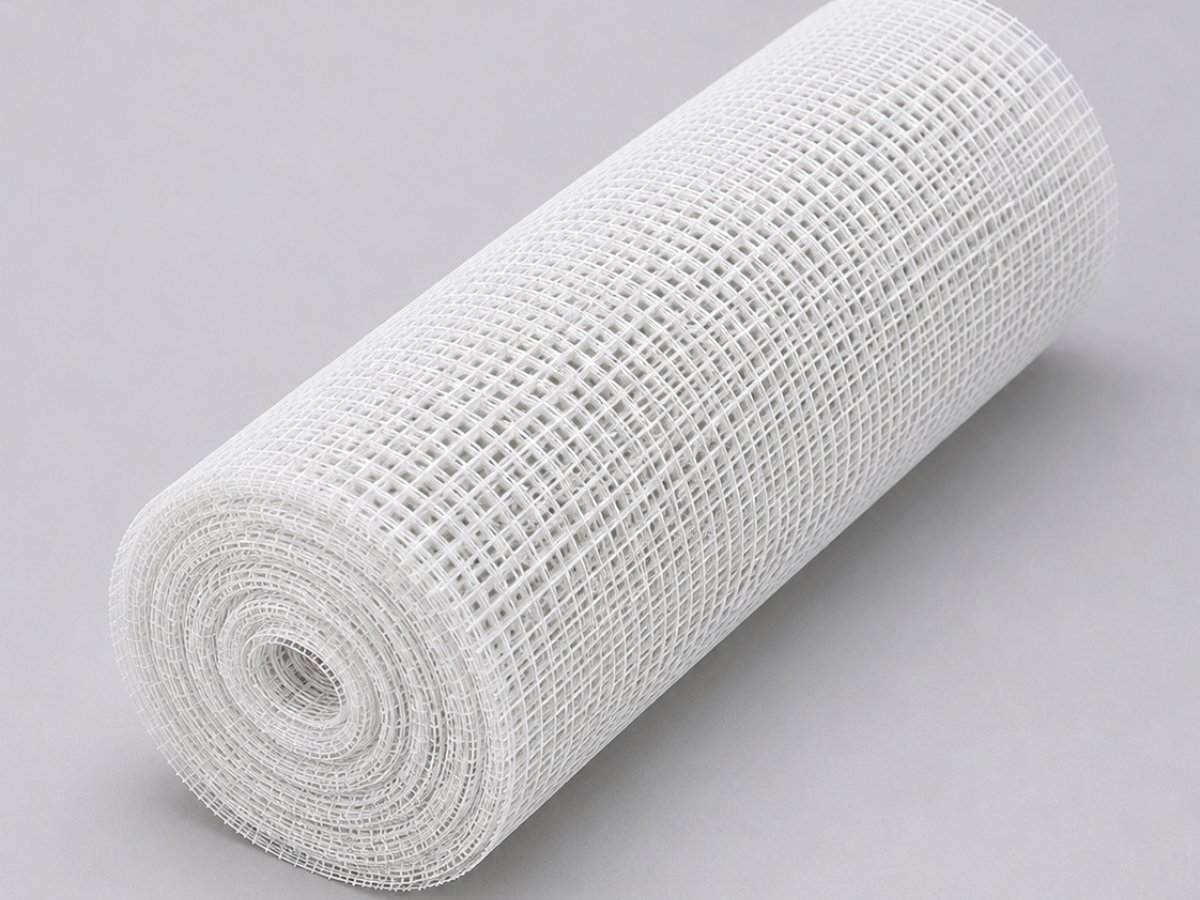
Mesh cylinder screen and wire meshes
We source the screen for the mesh cylinder of Hatschek machines from the manufacturing plant by cylinder, mesh number and wire. The catalog includes 40 and 80 mesh filter screens for the filter housing.
+998 99 011 62 29Tashkent, Uzbekistan · UTC+5
For selection
What to send for selection
The fuller the data, the more accurate the selection. Send it in the request below or as photos on Telegram.
- 01
Cylinder dimensions
Cylinder diameter and length, length of the working part: measured on the cylinder, not on a removed screen.
- 02
Mesh number
Mesh of the face screen and the backing screen and the weave, if known.
- 03
Wire
Wire diameter and material: stainless steel, brass, bronze.
- 04
Slurry and product
Asbestos cement or fiber cement and what product the machine makes.
- 05
Photo of the old screen
A close-up next to a ruler: it shows the opening and the wire.
- 06
Fastening to the cylinder
Soldering, strips or a removable shell; for a cylinder without documents, a sketch of the ends and the frame.
Catalog
Catalog items
How we work
One bureau, from the plant to the acceptance report
- 01
Contract with the manufacturing plant
Supply runs under a contract between the bureau and the plant that makes the item.
- 02
Inspection before shipment
The lot is checked before shipment: measurement, material, marking, packing. The result is a report and photographs.
- 03
Replacement of defects under a report
A defect is replaced under the report: the manufacturing plant supplies the replacement under its contract with the bureau, and the bureau follows it through.
- 04
Customs and certification handled by the bureau
The bureau takes on customs clearance and certification.
Questions
Frequently asked questions
By three things: the slurry the machine runs on, which mesh number is needed and what wire the screen is made of.
More in the article: Cylinder mould screen: which mesh to fit and when to replace it
Mesh is the number of openings per inch (25.4 mm). The higher it is, the finer the opening. A mesh number alone, without the wire diameter, does not yet define a screen.
More in the article: Screen mesh number: mesh, opening in mm and wire diameter
Open descriptions name a screen of 40–50 openings per inch as the usual one. This is a guide, not a norm for your machine: the screen already working on it will tell you more accurately.
More in the article: Cylinder mould screen: which mesh to fit and when to replace it
By condition: clogging that washing does not clear, tears and holes, dents and sagging, soldering coming off, uneven thickness across the width. There is no general figure for service life.
More in the article: Cylinder mould screen: which mesh to fit and when to replace it
Screens are traditionally made of phosphor bronze; stainless steel is stronger against abrasion but harder to solder. If the old screen served well, it is reasonable to order the same wire.
More in the article: Cylinder mould screen: which mesh to fit and when to replace it
Under GOST 6613-86 the number is the clear side of the opening in millimeters: No. 05 is a 0.5 mm opening. The larger the GOST number, the coarser the opening, while with mesh it is the other way round. To convert, divide 25.4 by the sum of the opening and the wire diameter.
More in the article: Screen mesh number: mesh, opening in mm and wire diameter
Knowledge
Related articles
- Cylinder mould screen: which mesh to fit and when to replace itThe screen decides how much fibre and cement stays on the cylinder and how much leaves with the water. Choose the mesh by the slurry (asbestos cement or fibre cement), by its number (meshes per inch) and by the wire material. Replace it by condition: clogged, torn, sagging or giving an uneven layer.
- Screen mesh number: mesh, opening in mm and wire diameterMesh is the number of openings per inch of length. To get the opening in millimeters, divide 25.4 by the mesh and subtract the wire diameter. So the same mesh with different wire gives different screens. The Russian number under GOST 6613 works the other way round: it is the opening size itself in millimeters. In a request, write the mesh, the wire, the material and the weave.
Request