How to draw up a slate plant's annual request for parts and felts
An annual request is one table by lines and units: item, marking or size, consumption per year, stock, how much to order, urgency, who approved. Consumption is taken from the replacement log, not from memory. Items are divided into long (felts, screens, parts to drawing) and quick, and the long ones are sent as one package in advance.
In short
5minutes to read
8sections
3sources
4catalog items
In this article
- 01Why an annual request, not orders after breakdowns
- 02Table columns
- 03Where to take consumption from
- 04How to divide the items
- 05How to decide what matters more
Contents
A slate plant's annual request is brought together in one table. One row is one item on one unit: what it is, marking or size, on which machine, how much was used last year, how much is left, how much to order and by what date. Consumption is taken from the replacement log, not from the mechanic's memory. Then the items are divided into long — felts, screens, parts to drawing, large bearings — and quick. The long ones are sent as one package and in advance, the quick ones are bought during the year. Such a request is clear both to your own management and to the supplier.
Why an annual request, not orders after breakdowns
If you order after every breakdown, the line waits for a part every time. Parts to your size — felts, screens, knives, shafts — are made after the order, and cannot be bought in town in a day. An annual request turns a dozen urgent orders into one planned order. It is easier for the supplier to search, and for you to count the budget and compare.
Table columns
| Column | What to write |
|---|---|
| No. | row number |
| Line and machine | "Line 1, forming machine" |
| Unit | "felt", "screen of vat 2", "squeeze roll", "edge knife" |
| Item | name of the part |
| Marking or size | number from the part, label, dimensions, drawing number |
| Unit of measure | pcs, set, m² |
| Consumption last year | how many were fitted per the log |
| Stock | how many are in reserve now |
| To order | consumption plus safety stock minus stock |
| Group | long or quick |
| Needed by date | when the part must be with you |
| Photo | file name of the photo of the part or label |
| Approved by | chief mechanic, process engineer |
Where to take consumption from
The best source is the log of replacements and failures: date, machine, unit, what was fitted, why. The principle is described also in the international standard ISO 14224 on collecting data on equipment failures and repairs: without a single record of failures, stock is counted from memory. If there is no log, assemble consumption from the issue notes for spare parts and from the repair reports of last year, and start keeping the log now.
For felts and screens, count separately for each machine and each size. Even on one line felts can be of different lengths, and a felt for asbestos cement and for fibre cement are different items.
How to divide the items
Long — made to your size or to drawing, brought from far away:
- forming felts, cylinder screens;
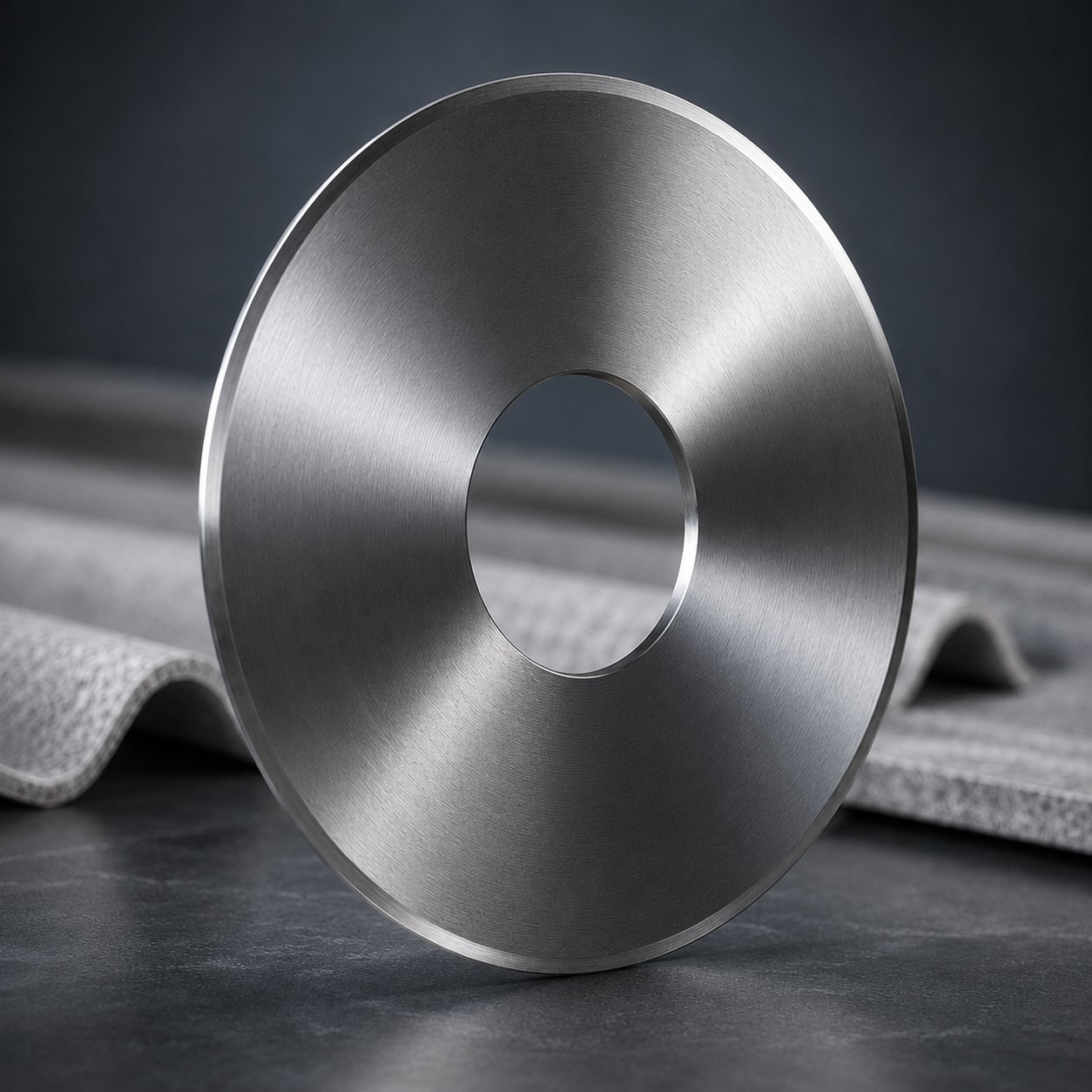
- cutting knives and discs, parts to drawing (shafts, bushings, templates);
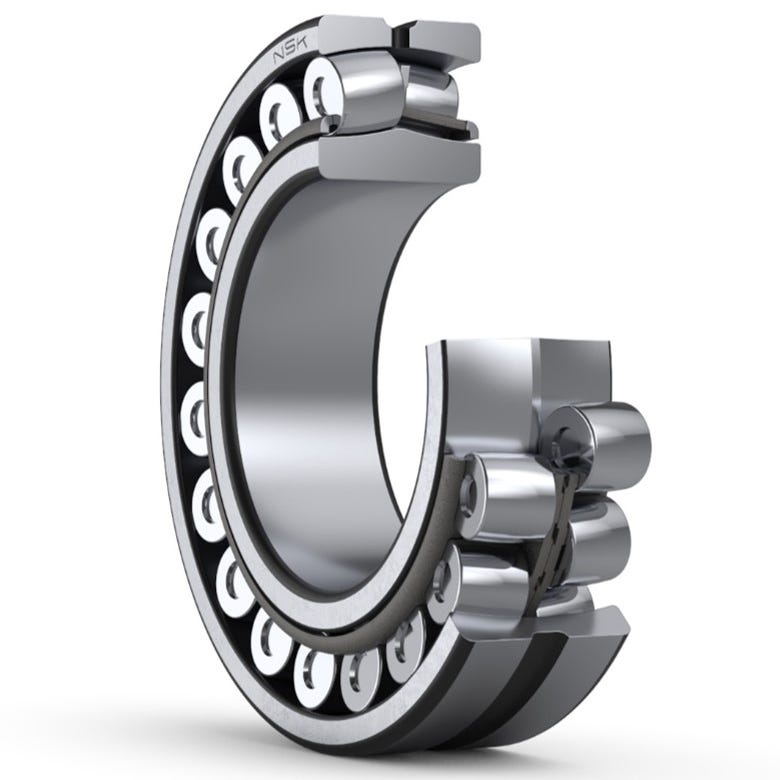
- large bearings of critical units, gearboxes, pumps of non-standard versions;
- roll covers, vacuum box covers.
Quick — available from local suppliers or from the brand's distributors:
- belts, small bearings, seals, filters, oils;
- sensors, relays, contactors of common series.
The long items are sent in one request, by the last order day for each. How to calculate it is covered in the article on ordering spare parts for the season.
How to decide what matters more
Not all rows are equally important. Sort them by two questions: will a failure stop the line, and how long is the wait for a replacement. At large plants spare parts are ranked this way before planned shutdowns: first what both stops the line and takes long to arrive. Such items go into the request first and with a reserve. What is easy to buy nearby need not be kept.
How to make the request clear to the supplier
- One row is one item. Do not write "bearings for the machine — 12 pcs": each size has its own row.
- Marking from the part, not the number from the line catalog. The supplier of a unit understands his own marking.
- Dimensions for felts: length, width, joint, fabric type, density, slurry.
- Photos with clear names: the row number in the file name.
- Drawings for parts without a catalog number — in a separate folder with the row number.
- What can be replaced by an equivalent and what cannot — a mark in a separate column.
Who approves
The request is drawn up by the chief mechanic, the process engineer checks the rows where the part affects the sheet (felts, screens, knives), and the manager approves the volume. A signature in the "Approved by" column saves time when the supplier sends what he found and you need to answer "yes" or "no" quickly on each row.
How we do it
- We go through the annual request row by row: by marking, drawing or photo we look for the items at the manufacturing plant. What we find, with the price, photos and specifications, we send before the order.
- Your "yes" on each row of what was found is the order command.
- We inspect the lot at the plant before shipment: part number, dimensions, lot, packaging.
What this article relies on
Below are the documents and materials we refer to, so that you can check what is said for yourself.
Standards and documents
- ISO 14224:2016, description on the Swedish Institute for Standards (SIS) site: collection and exchange of reliability and maintenance data for equipmenttext ↗
Reference materials
- Oxmaint, "Long-lead parts planning for power plant maintenance": long items, ranking by criticality, back-calculating order datesoxmaint.com ↗
- iFactory, "Annual maintenance shutdown: textile mill overhaul planning": checking the repair plan against stock, long items are marked immediatelyifactoryapp.com ↗
The table template follows general supply practice and the article on requesting several spare parts.