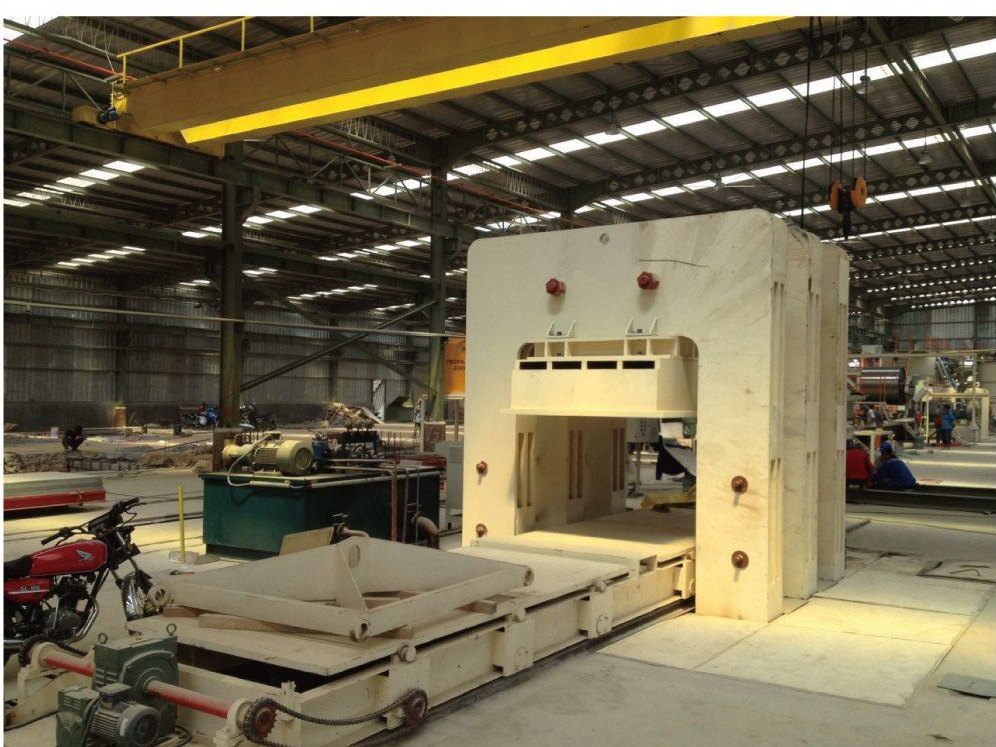
Slate press, demolding and hydraulics
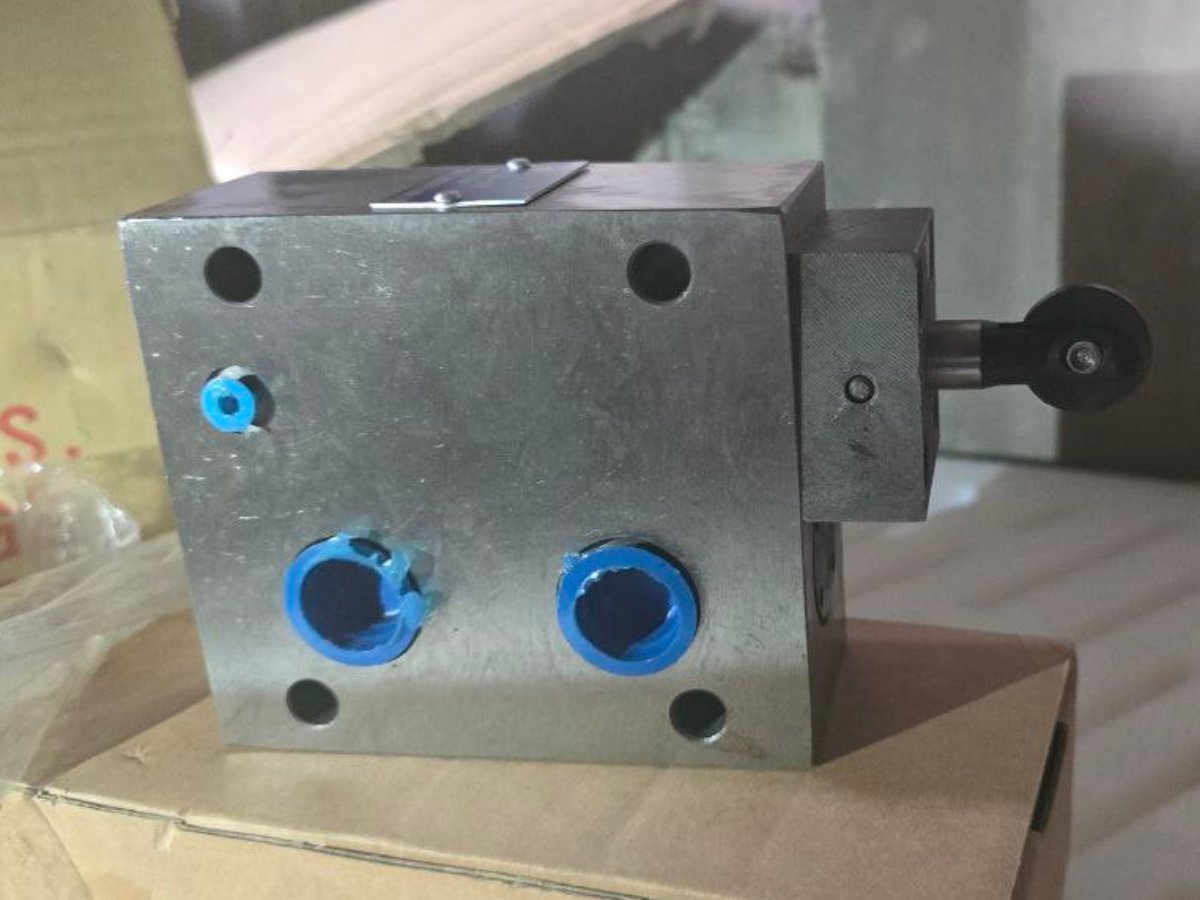
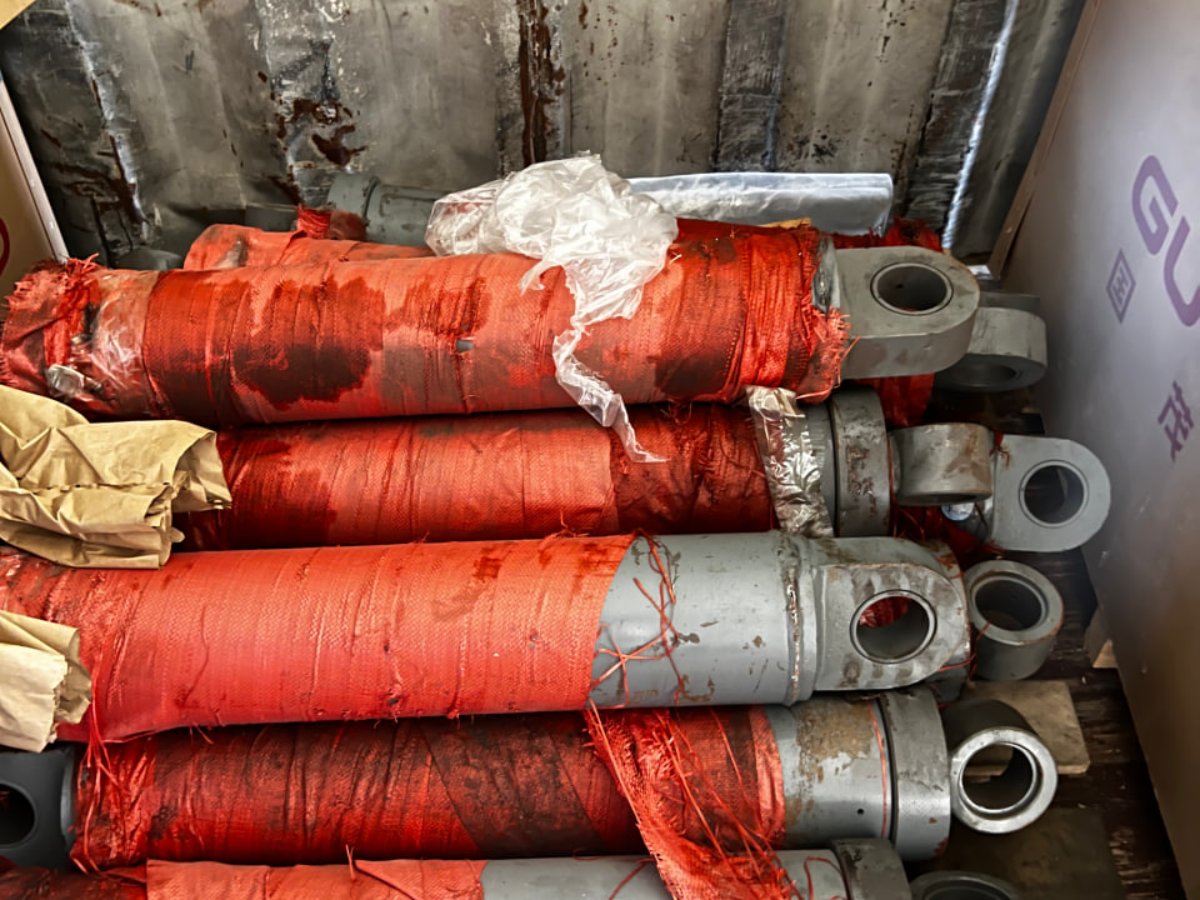
We supply hydraulic sheet presses, demolding machines, stackers and hydraulics: pumps, valve blocks, cylinders. Spare parts and seals are selected by nameplates, dimensions and the hydraulic diagram.
+998 99 011 62 29Tashkent, Uzbekistan · UTC+5
For selection
What to send for selection
The fuller the data, the more accurate the selection. Send it in the request below or as photos on Telegram.
- 01
Press nameplate
The press nameplate and the cylinder number on the hydraulic diagram, to understand which kit is needed.
- 02
Piston, rod, stroke
Piston diameter, rod diameter and cylinder stroke.
- 03
Groove dimensions
For each groove: root diameter, width and depth; taken during disassembly.
- 04
Pump nameplate
Model, displacement, pressure, speed, direction of rotation, shaft and flange type.
- 05
Hydraulic diagram and valves
The block nameplate, the hydraulic diagram of the press and a photo of the marking on each valve.
- 06
Demolding machine
The machine nameplate: manufacturer, model, sheet format.
Catalog
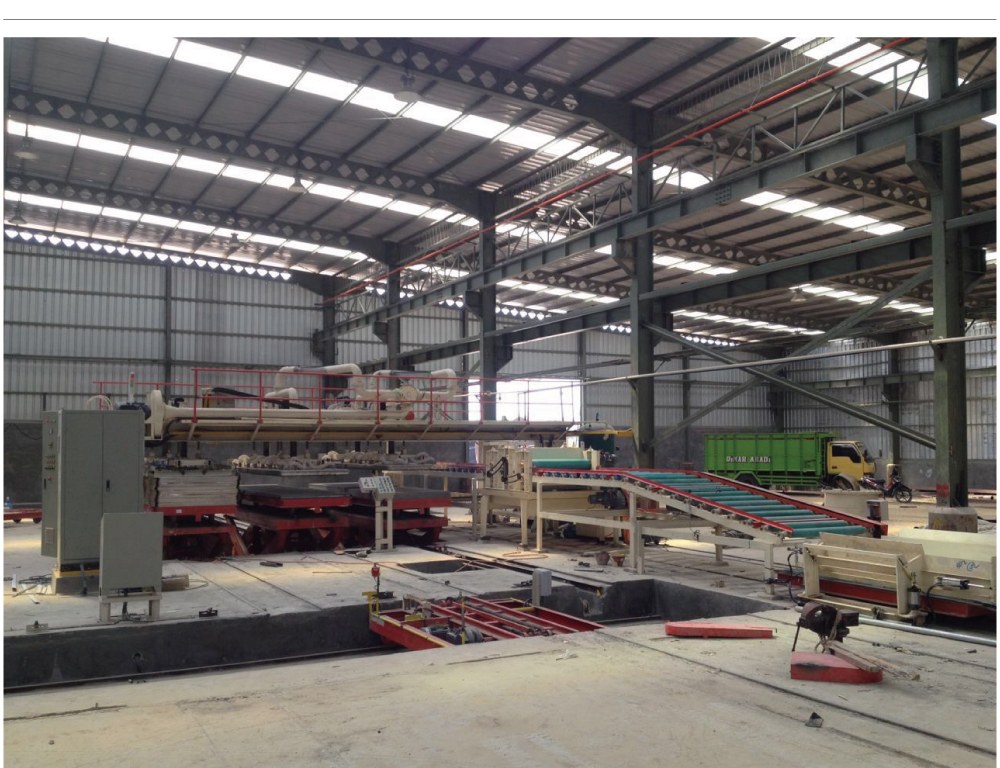
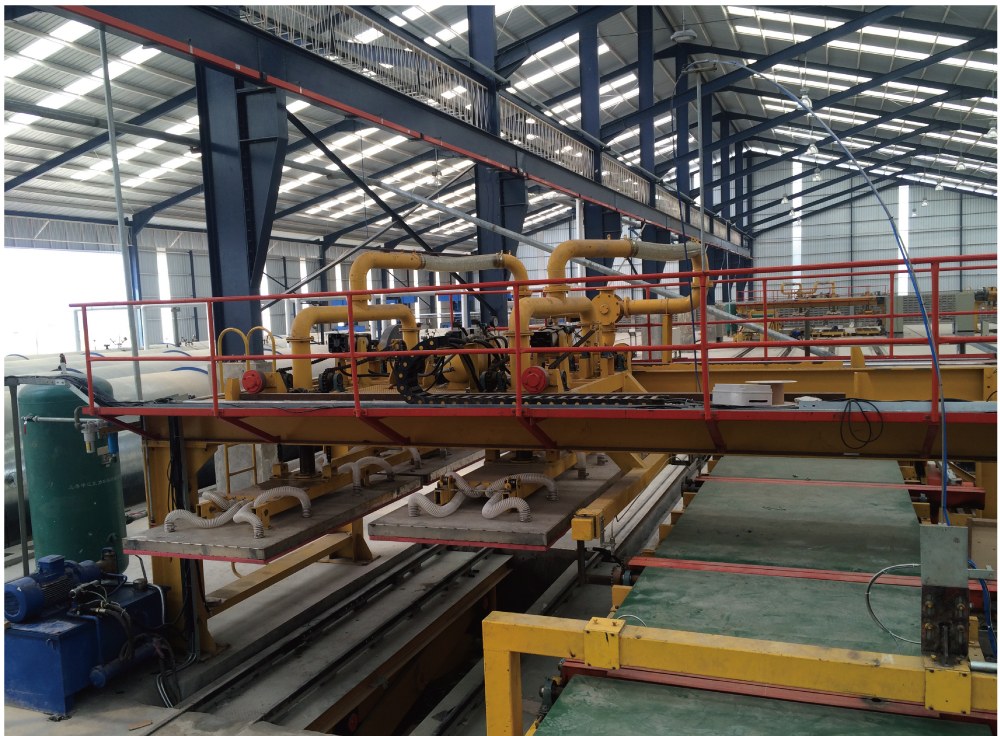
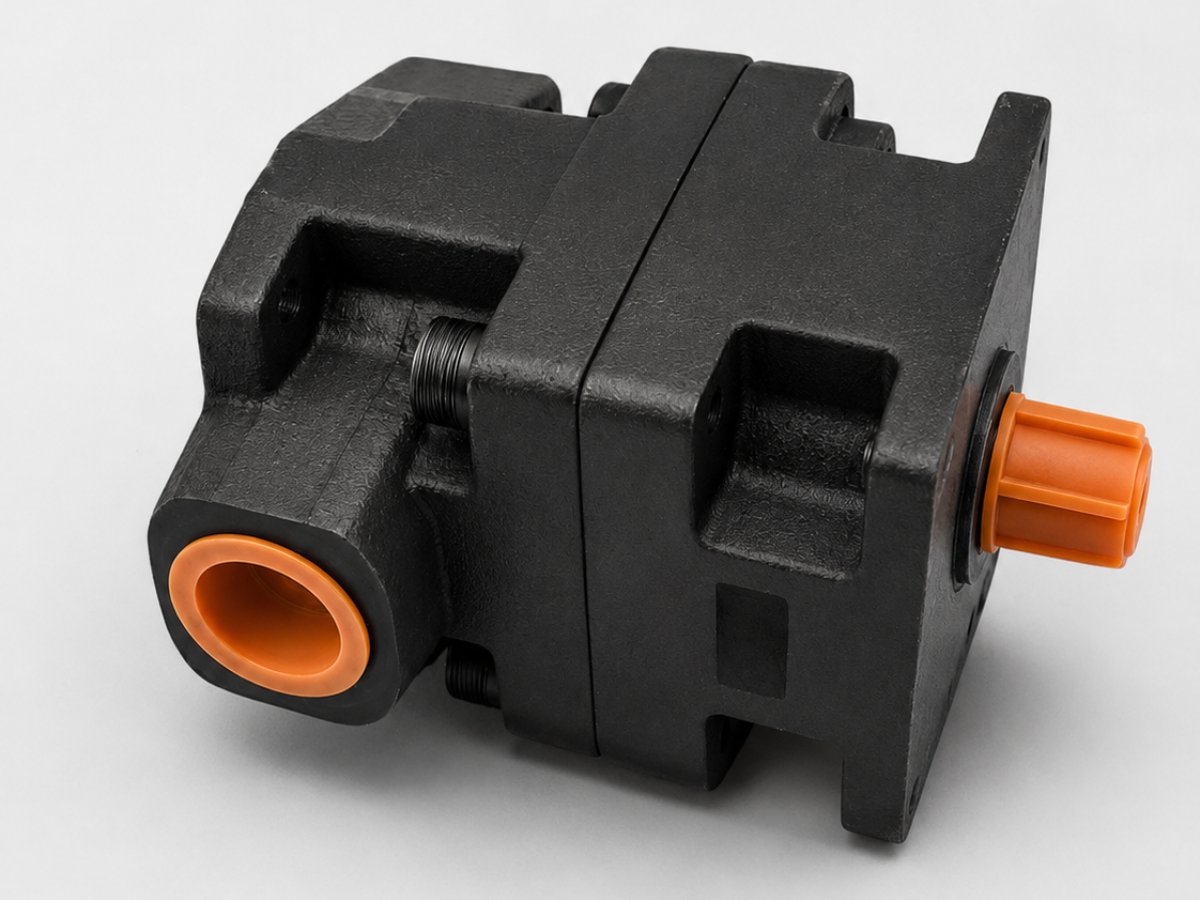
Catalog items
How we work
One bureau, from the plant to the acceptance report
- 01
Contract with the manufacturing plant
Supply runs under a contract between the bureau and the plant that makes the item.
- 02
Inspection before shipment
The lot is checked before shipment: measurement, material, marking, packing. The result is a report and photographs.
- 03
Replacement of defects under a report
A defect is replaced under the report: the manufacturing plant supplies the replacement under its contract with the bureau, and the bureau follows it through.
- 04
Customs and certification handled by the bureau
The bureau takes on customs clearance and certification.
Questions
Frequently asked questions
Most often because of internal leakage: oil escapes past the piston seals, through a worn valve or through clearances in the pump. Look in order, from the level and filters to the cylinders and the pump.
More in the article: Hydraulic sheet press: seals, oil and pump
No. This does not cure the leak, it overloads the seals and the pump, and it is a safety matter. Where the oil escapes is shown most accurately by a flow meter test: the pump, valves and cylinders are cut off in turn.
More in the article: Hydraulic sheet press: seals, oil and pump
It depends on the medium: polyurethane withstands pressure and wear, but ages in hot water and a damp environment. Pressure and temperature limits are taken from the data sheet of the seal manufacturer.
More in the article: Press cylinder seals: how to record the size and material
They are often machined on a CNC machine to the groove drawing. To order, you need the groove dimensions, profile, pressure, fluid, temperature and stroke speed.
More in the article: Press cylinder seals: how to record the size and material
The dimensions that decide whether the pump will fit in place: flange and mounting, shaft (diameter, key, splines or taper), thread or flange of the ports. Measure with calipers, photograph next to a ruler and attach the machine nameplate.
More in the article: How to order a part from China with only a nameplate photo
Not at once. More often the cause is curing, a dirty or poorly lubricated pallet, or a failure of vacuum or synchronization. Before replacing units, check the curing and the pallets.
More in the article: Demolding machine: what wears and why it breaks sheets
Knowledge
Related articles
- Hydraulic sheet press: seals, oil and pumpIn a hydraulic sheet press the seals of the main and lifting cylinders, the pump, the valves (relief, prefill, directional), the filters and the hoses wear. Oil is a consumable just like them: dirty or overheated oil speeds up the wear of everything else. Pressure most often drops because of internal leakage: past the piston seals, a worn valve or the pump.
- Demolding machine: what wears and why it breaks sheetsIn a demolding machine the suction cups, the vacuum part (valves, hoses, seals, pump or ejector), the pneumatic cylinders, the position sensors and the travel drive wear. Sheets are most often broken for three reasons: the sheet was demolded before it gained strength; it stuck to a dirty or poorly lubricated pallet; the vacuum or the synchronization failed.
- Press cylinder seals: how to record the size and materialA sheet press cylinder works with a wiper, a rod seal, guide rings, a piston seal and static rings in the heads. Record the size of each from the groove, not from the old seal. The material is chosen by conditions: polyurethane holds pressure and wear but dislikes hot water, NBR is universal for oil, PTFE is for low friction. For large cylinders seals are machined to size.
Request