Standalone machineXinhuibo
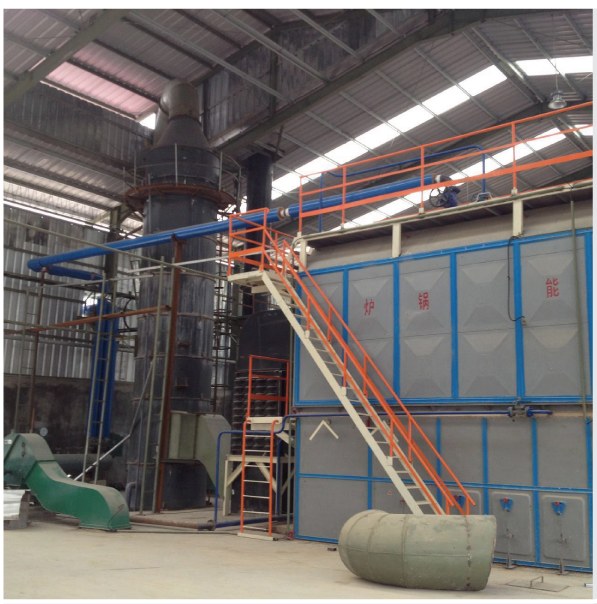
Steam boiler for a fiber-cement line
Steam pressure16кгс/см² (~1.6 MPa)
- TAMINOTA part number
- TMN-XHB-08
Produces steam for the autoclaves and the drying section. Burning the fuel releases heat, which is transferred to the water and turns it into steam or hot water. Versions for coal and for natural gas; diesel fuel is also used in the industry.
- Brand
- Xinhuibo
- Category
- Standalone machine
- Industry
- Asbestos and fiber cement
- Availability
- Project supply
What to send for selection
- 01Part number or the number on the nameplate
- 02Photos of the unit and its nameplate
- 03Model of the machine the unit is fitted to
- 04Quantity
Specifications
TMN-XHB-08
- Fuel
- Уголь · газ · дизель
- Versions
- Угольный · газовый
How to get this item
- 01You send the part number or a nameplate photo
- 02You get the plant’s invoice and a lead time
- 03Inspection at the plant, delivery, documents
Related articles
- Boiler from China: what approvals are needed before first start-upA steam boiler in Uzbekistan is pressure equipment. Since 6 February 2026 it has been governed by a technical regulation approved by CMR Resolution No. 493. Before release to the market the boiler undergoes conformity assessment and arrives with the plant's passport and calculations; start-up and operation follow industrial safety rules.
- Autoclave at a slate plant: what it is for and what gets servicedAn autoclave is needed where the mix contains ground quartz sand: under saturated steam pressure the sand reacts with the lime from the cement, and the sheet gains strength in a single cycle. What wears out in it: the seal of the quick-opening lid and its mechanism, steam traps and drainage, valves and safety valves, rails and cars. In Uzbekistan the autoclave is pressure equipment and falls under technical regulation CMR No. 493.
- Curing chambers: temperature, humidity and where rejects come fromIn the curing chamber the green sheet gains the strength to be taken off the pallet without breaking. Three things cause rejects here: heat applied before the cement began to set; temperature raised too fast or unevenly; the sheet losing water to dry air and drafts.
- Where a slate plant needs steam and how not to lose it on the wayAt a slate plant steam goes to the autoclave, to the curing chambers and, in winter, to heating water and buildings. It is lost on the way in three places: bare pipes and valves without insulation, faulty steam traps, and condensate drained into a ditch instead of returned to the boiler house.
- Autoclave or air curing: which to choose for the sheetThe choice between an autoclave and curing in air is a choice of mix composition, not only of equipment. The autoclave gives fast strength gain and lets ground sand replace part of the cement, but it needs steam, a boiler and a pressure vessel. A mix with PVA fibre does not survive the autoclave; it is cured in air.
- Pre-curing: when a sheet can be taken off its templateAfter forming, a raw sheet is soft, like wet cardboard. While it lies on its template or pallet in the chamber, the cement sets and the sheet gains demolding strength: enough to be taken off, turned over, trimmed and stacked without cracks. Time and temperature are not guessed: they are set by the regulations, and readiness is checked on a control sheet. A sheet taken off too early cracks and breaks later, in the warehouse and on the roof.
- Winter at a slate plant: water, curing, heatingIn winter a slate plant loses on three things: recirculated water and pipes freeze, the sheet cures more slowly and may freeze while still green, and fresh sheet on an open yard takes up moisture and freezes. Preparation starts in autumn: insulating and heating pipes and tanks, warming the water and slurry, heat in the curing chambers and the shop, a place to store sheet.
- Gas for steam and heat: where a slate plant loses the mostA slate plant's gas burns in the boiler and is lost on the way in three places: in the boiler itself (excess air in the furnace, hot flue gas, scale and soot, blowdown without heat recovery), in the steam network (bare pipes, failed steam traps, dumped condensate) and at the consumer (chambers and autoclave with open doors and no insulation). The cheapest check is a flue gas analysis and burner tuning.
- Water for the slurry and for the boiler: how they differFor the slurry it matters that the water has nothing that stops cement from setting and gaining strength: excess salts, sulfates, chlorides, organics, oil. Drinking water is fit for the slurry without analysis. The boiler needs water of a different class: softened, free of oxygen, with alkalinity kept up. Water that is good for the slurry is not fit for the boiler without treatment: hardness salts will form scale.
- New slate line: what to decide before talking to a plantBefore you ask a manufacturing plant for a line quotation, decide seven things: which sheet you will make, from what raw materials, how many sheets per shift the market needs, how the sheet will cure, where the line will stand, where steam, water and electricity will come from, and who will run it. Without these answers, quotations from different plants cannot be compared.
- Workshop for a slate line: what to prepare before equipment arrivesBy the time the line arrives, the workshop must be ready to receive it: foundations and pits poured to the manufacturing plant's drawings and cured to strength, water, drainage, electricity, steam and compressed air brought to the connection points, the overhead crane working, access routes clear. The buyer does all this under the brief that the plant issues with the workshop plan.
- Oversize equipment (press, autoclave): how it is shippedOversize cargo is cargo that does not fit an ordinary container or the road clearance in width, height, length or weight. It travels on platforms and in open containers, with transit permits and a planned route. The main decisions are made before packing: what the plant will dismantle, what packages that leaves and how each one will be lifted.
- How much steam a slate plant needs: estimating the boilerBoiler capacity is worked out not from the floor area of the shop and not from a salesman's advice, but from the steam consumers: how much heat goes into warming the autoclave, the cars and the sheets, how much is lost through the walls and the steam line, and how often the cycles overlap. The main consumer is the heat-up: the peak rests on it. Then the boiler figure is converted from the nominal one to the actual one: it depends on the pressure and on the feedwater temperature.
- Verifying scales and instruments at a slate plant: law and GOSTA sheet test result is worth as much as the instrument it was obtained with. GOST 30340-2012 sets the accuracy of the scales, the caliper and the bending testing machine. The Uzbek law "On Metrology" names the areas where measurements are under state control: accounting of material assets, industrial safety, quality of certified products, conformity assessment. Instruments for such measurements are, as a general rule, verified; where the law allows calibration instead of verification, check with the metrology service.
Request
Send a part number or a photo — we will find the factory
Items from the catalog · 1
- TMN-XHB-08 · Steam boiler for a fiber-cement line