Autoclave or air curing: which to choose for the sheet
The choice between an autoclave and curing in air is a choice of mix composition, not only of equipment. The autoclave gives fast strength gain and lets ground sand replace part of the cement, but it needs steam, a boiler and a pressure vessel. A mix with PVA fibre does not survive the autoclave; it is cured in air.
In short
5minutes to read
7sections
6sources
4catalog items
In this article
- 01What the owner needs to decide
- 02How the two paths differ
- 03Why sand works only in the autoclave
- 04Why PVA does not like the autoclave
- 05Where mistakes are made in the choice
Contents
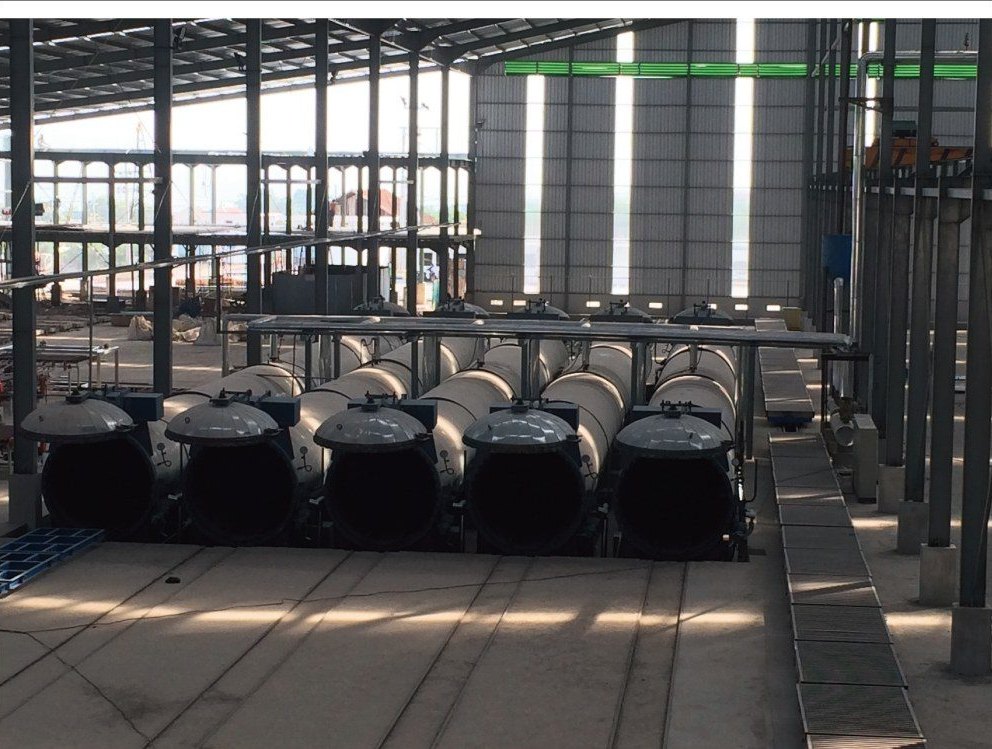
Autoclave or air is, first of all, a question of mix composition. In the autoclave the sheet hardens under saturated steam pressure, and ground quartz sand reacts with the lime of the cement. So in an autoclave mix part of the cement is replaced with sand, and the sheet is reinforced with cellulose: it survives the autoclave. Synthetic PVA fibre loses its properties in such conditions, so a mix with PVA is cured in air: first a short curing on pallets, then a hold in stacks in the store. Asbestos-cement slate on Portland cement also usually hardens without an autoclave; the autoclave is used for it when the cement is mixed with sand. Which path your plant takes is determined by which fibre and which cement you can buy steadily, whether you have steam, and who you sell the sheet to.
What the owner needs to decide
Switching from one method to the other is not buying an autoclave but changing the recipe, the raw materials and part of the equipment. Questions worth asking before talking to a supplier:
- Which fibre is available. Asbestos, cellulose, PVA, polypropylene. The fibre decides whether an autoclave is possible at all.
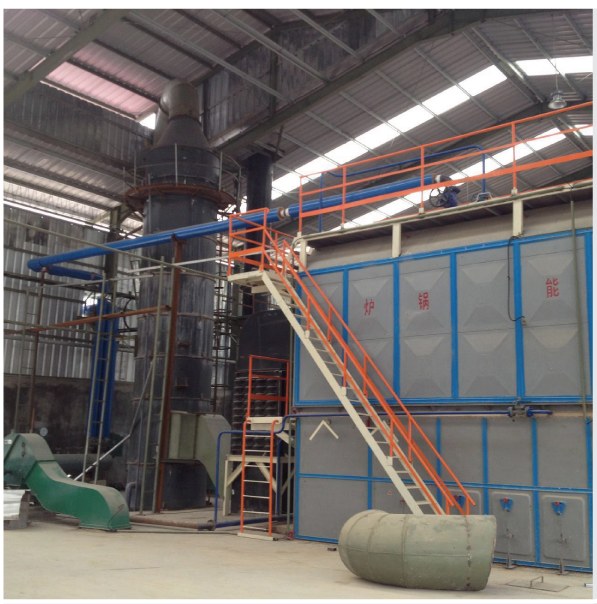
- Whether you have steam. An autoclave needs a boiler, a steam line, water treatment and people certified to work with pressure equipment.
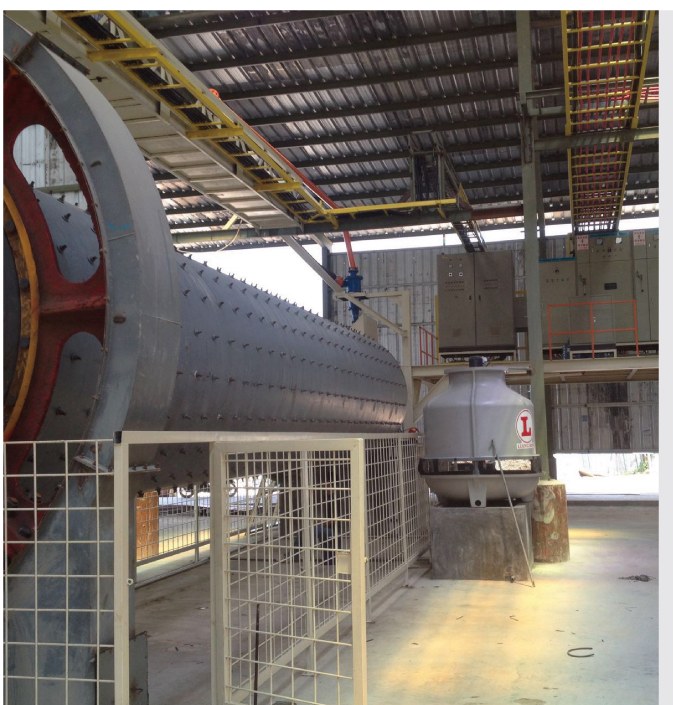
- Whether you have ground sand. An autoclave mix needs a ball mill and clean quartz sand.
- What the buyer requires. For roofing, strength, water tightness and frost resistance matter; for facade and interior boards, dimensional stability.
- How much store space there is. With air curing the sheet gains strength in stacks over weeks, so you need floor area for the hold.
How the two paths differ
| Autoclave | Air curing | |
|---|---|---|
| Binder | cement and ground quartz sand | cement, sometimes with mineral additives |
| Reinforcing fibre | cellulose (formerly asbestos) | PVA, polypropylene together with cellulose; asbestos |
| Press after forming | usually not pressed for this product | roofing sheet is often pressed |
| Equipment | autoclave, boiler, cars, sand mill | pre-curing chambers, floor area for the hold |
| Strength gain | in one autoclave cycle | several weeks |
| Weak points | water absorption and frost resistance if the composition is poor | edge cracks in stacks during drying |
The table is a general scheme from open patents and literature. A specific line can combine both paths: for example, accelerated curing in a chamber and an autoclave for part of the products.
Why sand works only in the autoclave
In normal conditions ground quartz hardly reacts. Under saturated steam pressure the silica of the sand combines with the calcium hydroxide released as the cement hardens. The result is calcium silicate hydrate, tobermorite. It binds the remaining sand and the fibre, and the sheet gains strength. This is why an autoclave mix has less cement than an air-curing mix.
The ratio of sand to cement is chosen precisely. According to open patents, with an excess of lime the sheet comes out brittle, and with an excess of silica the sand stays unreacted and frost resistance falls. This is set by the process engineer according to the regulations, not changed by eye.
Why PVA does not like the autoclave
PVA fibre is stable in the alkaline environment of cement at normal temperature. But in moist heat it softens and dissolves, and the reaction forming tobermorite takes place precisely at high temperature in a moist environment. A patent of a Japanese fibre manufacturer says directly that ordinary PVA fibre was therefore cured only without an autoclave. The same patent describes a special PVA fibre designed for the autoclave; if a supplier offers one, the mode and recipe are chosen together with them and checked on a trial lot. In Western Europe asbestos in roofing sheet was replaced exactly this way: PVA plus cellulose, forming on a Hatschek machine, a press, curing in air.
Cellulose survives the autoclave. This is why in the USA, Australia and New Zealand asbestos was replaced with an autoclaved cellulose sheet. Such a sheet is usually not pressed and is lighter. The weak point, which the manufacturers themselves write about, is that it takes up water more easily and withstands freezing worse. Hence the additives and impregnations described in the patents.
Where mistakes are made in the choice
- Putting in an autoclave for a PVA mix. The fibre loses its reinforcing role and the sheet comes out brittle.
- Removing the autoclave but keeping the autoclave recipe. Sand does not work without an autoclave, and the sheet falls short of strength.
- Counting only the autoclave. The boiler, the steam line, water treatment, permits for pressure equipment and the sand mill are part of the same decision.
- Not counting the store. With air curing, the hold store and protection of stacks from drying and sun are also equipment: edge cracks appear in stacks during drying.
What to prepare if you are deciding to change the method
- The current mix recipe and the raw material passports.
- Which fibre and cement you will be able to buy steadily.
- The requirements of your buyers and the standard under which you deliver the sheet.
- The shop layout: where the autoclave will stand or where the hold will be.
- The condition of the boiler house, if there is one.
With this you can ask the equipment manufacturing plant for the technology and the composition of the line for your curing method.
How we do it
- From the photo, dimensions and the passport of the unit, we look for the item at the manufacturing plant. What we find, with the price, photos and specifications, we send before the order.
- Where the answer has to come from the plant (the recipe, the mode, the composition of the line), we ask them and pass on their word.
What this article relies on
Below are the documents and materials we refer to, so that you can check what is said for yourself.
Reference materials
- Patent US 6676744 "Fiber cement composite materials using cellulose fibers loaded with inorganic and/or organic substances", "Background" section: asbestos sheet on cement and silica in the autoclave; the European replacement is PVA and cellulose, a press, air curing, PVA is not stable in the autoclave; autoclaved cellulose sheet without a press and its water absorptionpatents.google.com ↗
- Patent US 5380588 "Polyvinyl alcohol-based synthetic fiber": ordinary PVA fibre dissolves in moist heat, so it was cured without an autoclave; tobermorite forms in moist heat; a fibre stable in the autoclave is proposedpatents.google.com ↗
- Patent US 7972433 "Fiber reinforced cement composition and products and manufacturing process": autoclave with a siliceous component, tobermorite, balance of lime and silica: brittleness with excess lime, unreacted silica and loss of frost resistance with its excesspatents.google.com ↗
- Rybyev I. A. "Building Materials Science" (Строительное материаловедение), section "Fundamentals of asbestos-cement product manufacturing": hardening in the store or in the autoclave with sandy cementstudme.org ↗
- Fiorelli J. et al., CIB DC33112: air-cured fibre cement with PVA, PP and cellulose; the autoclave as a way to protect cellulose from alkali; edge cracks in stacksirbnet.de ↗
- taminota.com catalog: autoclave for fibre cement sheet, manufacturing plant description (cycle stages, tobermorite).
The comparison is drawn up from patents and literature; the recipe and mode of your line follow the process regulations.