Gas for steam and heat: where a slate plant loses the most
A slate plant's gas burns in the boiler and is lost on the way in three places: in the boiler itself (excess air in the furnace, hot flue gas, scale and soot, blowdown without heat recovery), in the steam network (bare pipes, failed steam traps, dumped condensate) and at the consumer (chambers and autoclave with open doors and no insulation). The cheapest check is a flue gas analysis and burner tuning.
In short
6minutes to read
5sections
5sources
4catalog items
In this article
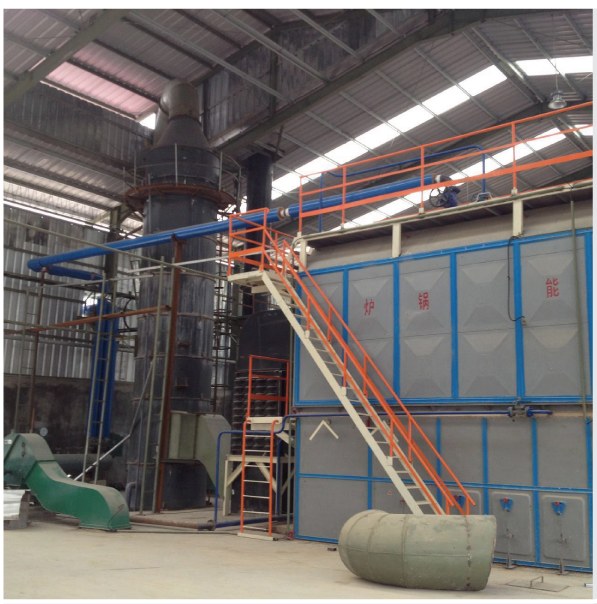
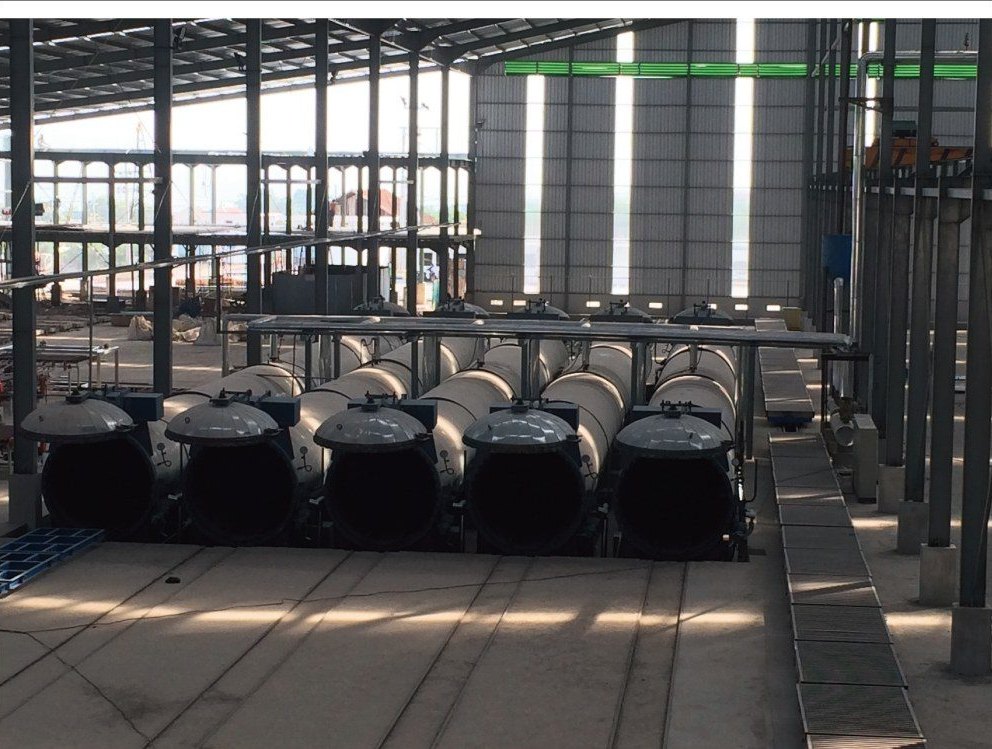
At a slate plant gas goes mainly to the boiler: the steam goes to the autoclave and the pre-curing chambers, and in winter also to heating water and workshops. The losses add up in three places. The first is the boiler itself: a burner with excess air, flue gas that is too hot, scale on the water side and soot on the gas side, and blowdown whose heat goes down the drain. The second is the steam network: pipes and fittings without insulation, failed steam traps, dumped condensate. The third is the consumer: chambers and autoclave that lose heat through open doors, gaps and bare walls. The cheapest and quickest check is a flue gas analysis and burner tuning. Start with it.
What the owner and the chief power engineer should decide
- Measure, do not guess. Three figures are needed for each boiler: gas consumption from the meter, steam output (or at least running hours and load) and a flue gas analysis: oxygen, carbon monoxide, temperature. They are compared once a month.
- Who tunes the burner. The burner is tuned with a gas analyzer after repairs, at a change of season and at any change of load. If the tuning was done by an outside company at commissioning and nobody has looked since, that is the first place of loss.
- Water treatment is not a cost but protection of the gas. Scale in the boiler directly raises fuel consumption. A softener, chemical water treatment and water control exist so that the boiler does not lose heat transfer and does not burn extra gas. Which water the boiler needs is covered in the article on water for slurry and the boiler.
- The network first, a new boiler later. If steam is "not enough", first check the network and the consumers. For more on the steam network, see the article on steam at a slate plant.
The boiler: four places of loss
Excess air in the furnace
For complete combustion, gas needs air with a small margin. Too little air produces carbon monoxide and soot, which is dangerous and a loss in itself. Too much air is heated in the furnace and carries heat up the stack. In its tip sheets the US Department of Energy describes tuning this way: look at the oxygen and combustibles (carbon monoxide) in the flue gas and set the air-to-gas ratio so that there is little oxygen and only traces of carbon monoxide. The specific values are set by the burner manufacturer's instruction and the boiler's operating chart.
What makes it hard to hold the setting:
- air leaking in through gaps in the furnace and the flue;
- wear of dampers and control drives;
- running the boiler at low load, where the burner holds its setting worse.
Hot flue gas
The flue gas temperature at the boiler outlet is the main indicator. If at the same load it rises, the heating surfaces have fouled: soot on the gas side, scale on the water side. A useful rule: record the flue gas temperature right after cleaning the boiler and compare with it later.
Scale
Scale is hardness salts deposited on the walls on the water side. It conducts heat much worse than steel and acts as insulation: the gas is burned, but the heat reaches the water less well. According to the US Department of Energy tip sheet, even a thin layer of scale in a firetube boiler noticeably raises fuel consumption, by up to several percent, and the loss depends on both the thickness and the composition of the scale: scale with iron and silica costs more than "normal" scale of the same thickness. The best way to fight it is not to let scale form: treatment of make-up water, corrective chemical treatment and correct blowdown. Scale that has already formed is removed mechanically or by acid washing.
Blowdown
Blowdown takes water with accumulated salts out of the boiler. Without it the salts grow, water carry-over with the steam appears, and scale forms. But blowdown water is hot water at boiler pressure, and all its heat goes down the drain. So:
- blow down by the dissolved solids content (conductivity) of the boiler water, not "by eye" and not "opened and forgotten";
- the better the make-up water, the less blowdown is needed;
- blowdown heat can be recovered: part of the water turns to flash steam in a flash vessel and is sent to the feed tank, and the rest heats the make-up water through a heat exchanger. According to the calculations of a manufacturer of such equipment, most of the blowdown heat is recovered this way.
Bottom (periodic) blowdown, which removes sludge from the bottom, is done separately and is not sent to heat recovery.
Network and consumers
- Insulation. Bare steam pipes, valves and flanges lose heat all the time, more in winter. Removable insulation jackets on fittings are a simple measure.
- Steam traps. A trap that lets steam through is a direct loss of gas. They are checked on a schedule.
- Condensate. Hot condensate is already treated water with heat in it. Returning it to the feed tank saves both gas and water treatment.
- Curing chambers. Doors, seals, gaps, the state of the enclosure. A chamber that "steams" outward wastes steam.
- Autoclave. Insulation of the shell and the lid, condensate removal. After a cycle, steam from the autoclave is sometimes passed to another autoclave or used for heating; this is decided at the design stage, not on site.
What to check with your own staff
- Gas consumption per unit of output by month: a rise with no visible reason is a cause to look.
- Flue gas analysis on each boiler after a change of season.
- Flue gas temperature from the log against the value after cleaning.
- Hardness of the feed water and dissolved solids of the boiler water, from the water treatment log.
- A walk along the steam pipes in winter: where steam is escaping, where fittings are bare, where condensate is draining into a ditch.
The boiler, burner and blowdown settings are set by the operating chart and the manufacturer's instruction; this article covers what they depend on, not their values.
How we do it
- From the boiler passport and the description of the task, we look for the boiler or unit at the manufacturing plant. What we find, with the price, photos and specifications, we send before the order.
- Where the answer must come from the plant, we ask it and pass on its word.
What this article relies on
Below are the documents and materials we refer to, so that you can check what is said for yourself.
Reference materials
- U.S. Department of Energy, Process Heating Tip Sheet #2 "Check Burner Air to Fuel Ratios" (2007): excess air, oxygen and carbon monoxide in the flue gas as a sign of correct tuningwww1.eere.energy.gov ↗
- U.S. Department of Energy, Steam Tip Sheet #7 "Clean Firetube Boiler Waterside Heat Transfer Surfaces": scale as insulation, growth of fuel consumption, prevention and removal of scaleenergy.gov ↗
- Industrial Assessment Center, "Industrial energy efficiency", ch. 5 (boilers): high flue gas temperature as a sign of deposits, the baseline value after cleaningiac.university ↗
- Spirax Sarco, "Heat recovery from boiler blowdown (TDS control only)": why blowdown is needed, heat losses, flash steam to the feed tank, a heat exchanger on the make-up waterspiraxsarco.com ↗
- Kharkiv Polytechnic Institute, "Influence of the excess air coefficient on heat losses with flue gas" (Влияние коэффициента избытка воздуха на потери тепла с уходящими газами): flue gas losses and chemical incomplete combustion, air leaksrepository.kpi.kharkov.ua ↗
The places of loss are listed from the design of a slate plant boiler house and steam network; the settings of your boiler come from the operating chart and the manufacturer's instruction.