Winter at a slate plant: water, curing, heating
In winter a slate plant loses on three things: recirculated water and pipes freeze, the sheet cures more slowly and may freeze while still green, and fresh sheet on an open yard takes up moisture and freezes. Preparation starts in autumn: insulating and heating pipes and tanks, warming the water and slurry, heat in the curing chambers and the shop, a place to store sheet.
In short
4minutes to read
6sections
5sources
4catalog items
In this article
Contents
Winter hits a slate plant in three places. The first is water: recirculated water, pipes, tanks and pumps outdoors or in cold bays freeze, and the line stops. The second is curing: cement gains strength noticeably more slowly in the cold, and a green sheet that freezes before it has hardened loses strength and may crack later. The third is storage: fresh sheet on an open yard takes up moisture and goes through freezing and thawing earlier than the plant intended. So preparation starts in autumn: pipes and tanks are insulated and heated, water and slurry are warmed, the curing chambers are given heat, and the place for storing sheet is chosen in advance.
What the owner should decide before November
- Run or stand. Some plants produce less in winter or schedule seasonal repairs for the cold months. The decision depends on roofing sales and on what heat costs. A planned repair fits well into this period.
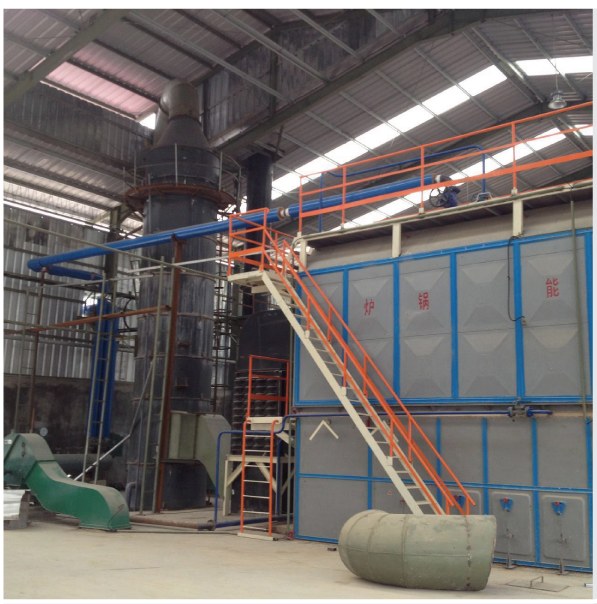
- Whether there is enough heat. Steam and hot water are needed in winter for the curing chambers, for warming the water and for heating the shop. The boiler and the steam line are checked before the frosts.
- Where to store sheet. Whether there is enough space under a roof or in a heated building for sheet that has not yet gained strength.
Water: pipes, tanks, pumps
Recirculated water is part of the process: it is used to dilute the slurry and to wash the screens and felt. If it has frozen, the line stands.
What to prepare:
- insulate the pipes, settling tanks and recuperators that stand outdoors or in cold bays; where insulation is not enough, add heating cable or a steam tracing line;
- check whether water can be fully drained from pipes and pumps at a stop, and whether there are drain cocks at the low points;
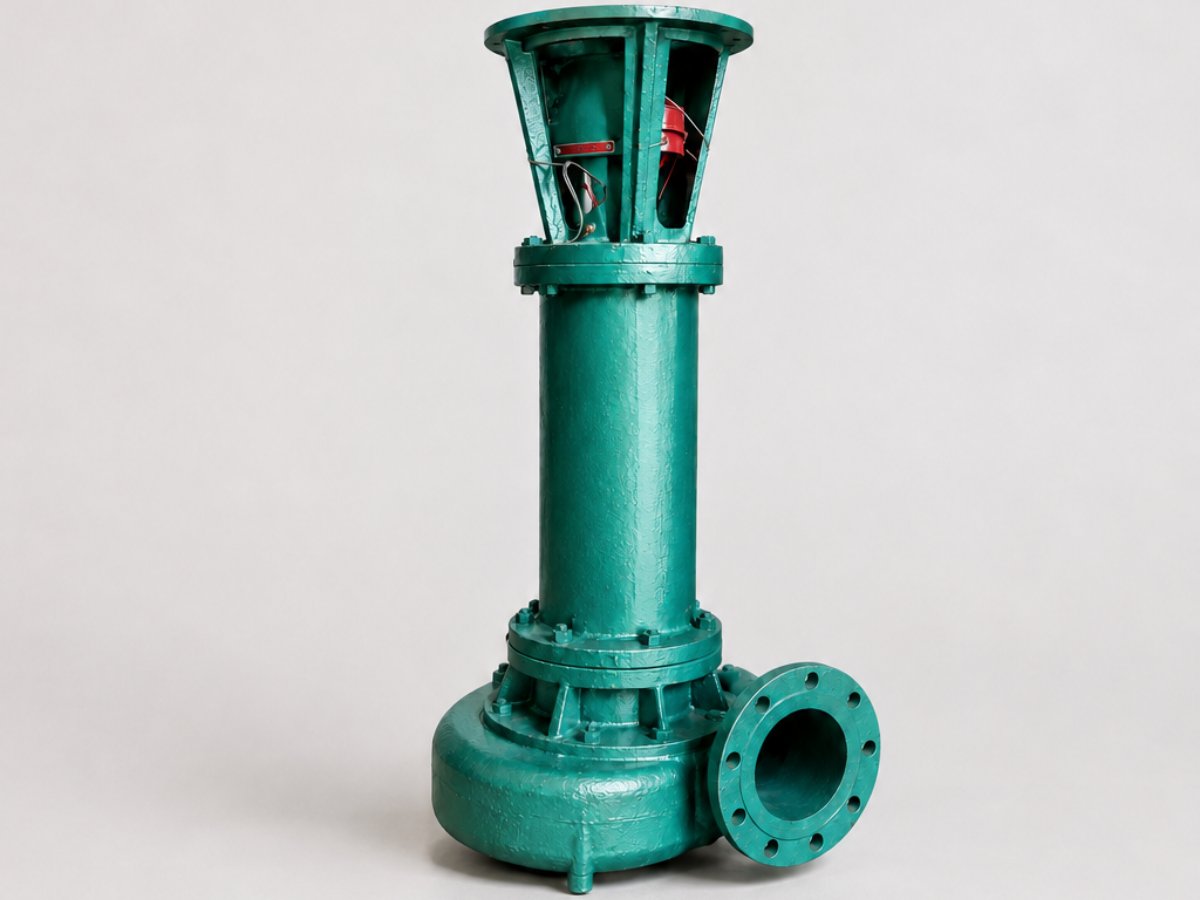
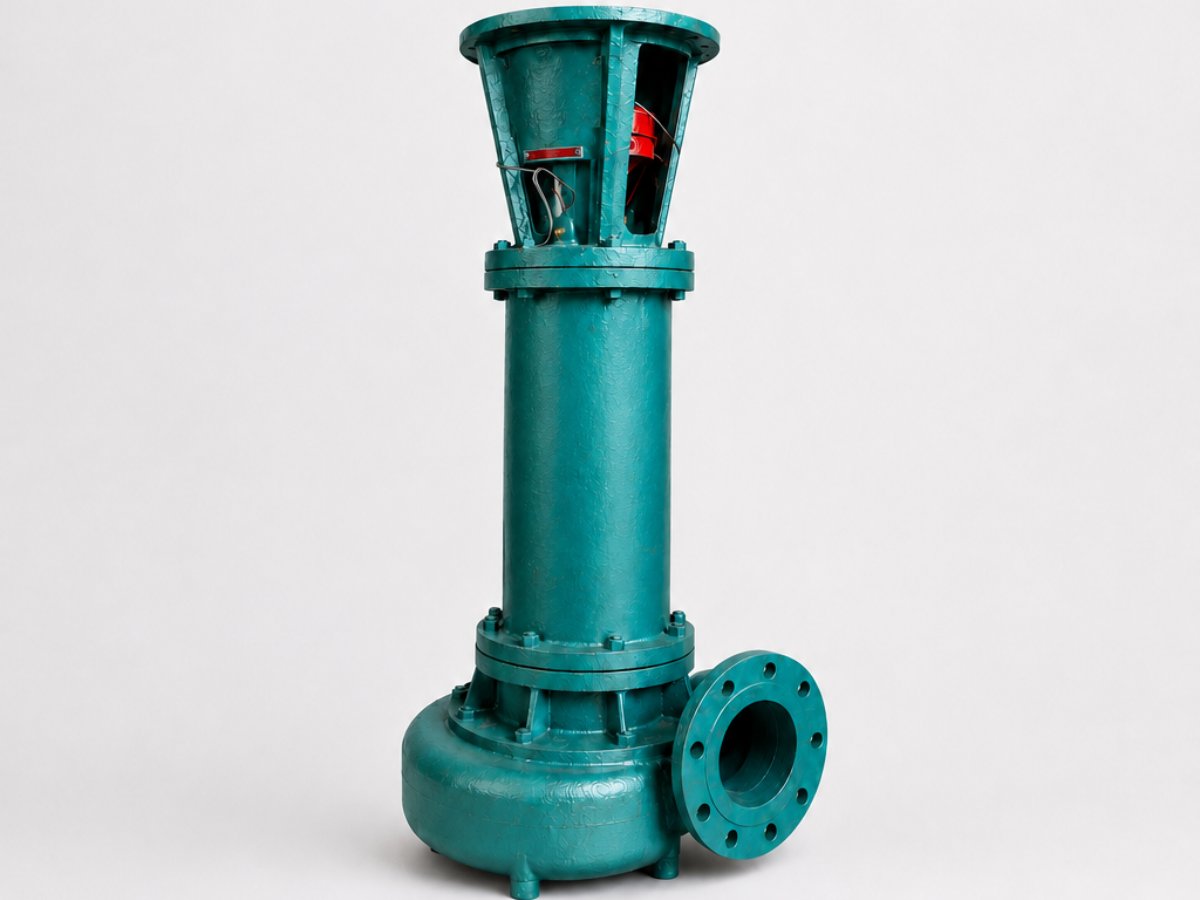
- cover slurry and mass pumps that stand outdoors and keep a stock of seals: ice in the casing tears the seal and breaks the impeller;
- in a long winter stoppage, drain the water from everything that can freeze, including the cooling of the compressor and the hydraulic stations if it is water-based.
Curing: why the sheet is weaker in winter
Cement hardens through a chemical reaction with water, and this reaction slows down in the cold. At low temperature fresh concrete almost stops gaining strength, and if the water in it freezes in the first hours and days, it loses a significant part of its future strength. A slate sheet is the same, only it is thin: it cools and freezes through faster than a massive structure.
What follows from this:
- the temperature of the water and slurry entering the machine is lower in winter, and the sheet begins to set more slowly;
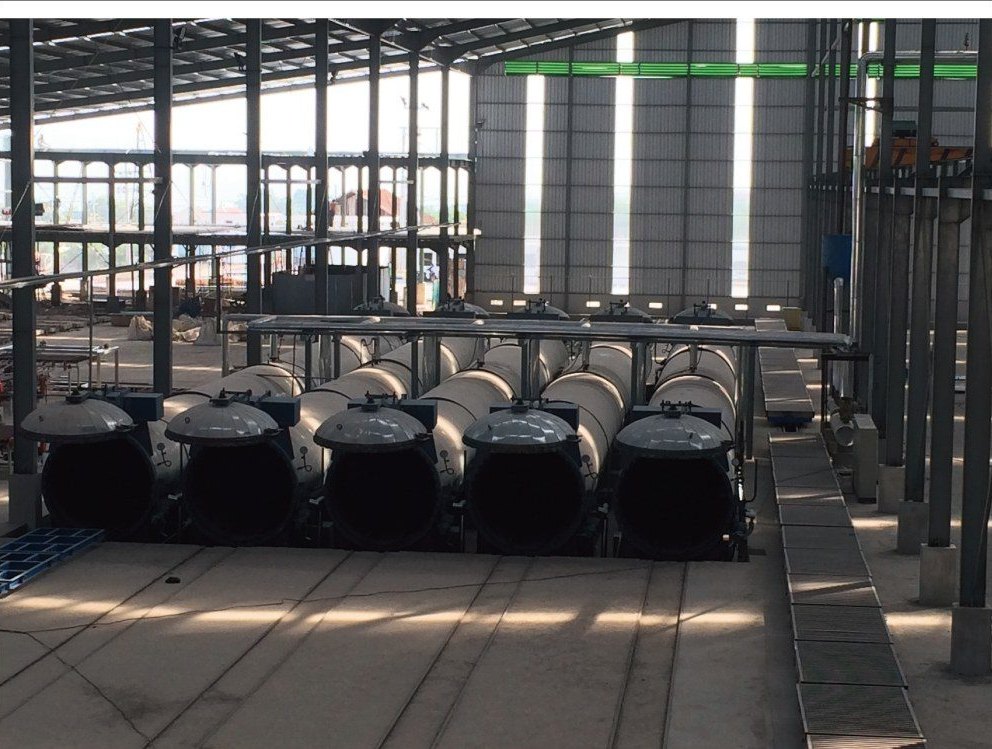
- the pre-curing chambers need more heat to hold their regime;
- a sheet taken from the chamber into the cold keeps gaining strength more slowly, so it is kept warm longer before stacking and shipment;
- if a sheet froze while green, this may show up later as cracks and delamination.
What plants do: warm the water used to prepare the slurry; keep heat in the chambers and in the forming shop; close gates and openings; keep the sheet in a warm room longer than in summer. How long exactly is set by the process regulations of your line; its winter section is worth reviewing every autumn.
Storing sheet in winter
GOST 30340-2012 requires sheets to be stored on horizontal areas, and painted ones on areas protected from precipitation and direct sunlight. In winter one simple thought is added: sheet that has not yet gained strength is better not put out in frost and snow. Finished sheet is designed for frost, which is why it is tested for frost resistance, but it is tested once it has already hardened.
What else to check for winter
- Heating of the forming shop, gates, openings: a draught cools the slurry in the vats.
- Cement silos: moisture is more dangerous in winter, as condensation and damp air cake the cement. The air for aeration must be dry, and hatches and roof must be free of leaks.
- Compressed air: water in the pneumatic network freezes in the valves. Dryer and condensate traps should be serviced before the frosts.
- Lubrication: winter greases and oils for units that stand in the cold.
- Stock: pump seals, heating cable, insulation, boiler parts.
How we do it
- We look for spare part items at the manufacturing plant by number, drawing or photo of the unit. What we find, with the price and photos, we send before the order.
- We inspect the lot at the plant before shipment: part number, dimensions, lot, packaging.
What this article relies on
Below are the documents and materials we refer to, so that you can check what is said for yourself.
Standards and documents
- GOST 30340-2012 "Chrysotile-cement corrugated sheets. Specifications": storage of sheets on horizontal areas, painted ones protected from precipitation and direct sunlight (clause 9.2); frost resistance testtext ↗
Reference materials
- NIH Office of Research Facilities, technical bulletin "Cold Weather Concreting" (April 2021): in the cold the reaction of cement with water slows down and strength gain almost stopsorf.od.nih.gov ↗
- NAHB, "Cold Weather Concrete Practices": the danger of early freezing of fresh concrete, protection until strength is gainednahb.org ↗
- Euclid Chemical, "Cold-Weather Concreting: Technical Guidance for Preventing Winter Damage": slowed hydration and vulnerability to freezingforconstructionpros.com ↗
- Rybyev I. A. "Building Materials Science" (Строительное материаловедение), section "Fundamentals of asbestos-cement product manufacturing": curing of sheets in steaming chambers and ripening in a heated room, recirculated water for washing and diluting the slurrystudme.org ↗
The sources on cold weather are written for concrete; for a thin sheet the principle is the same, while the regimes follow the process regulations of your plant.