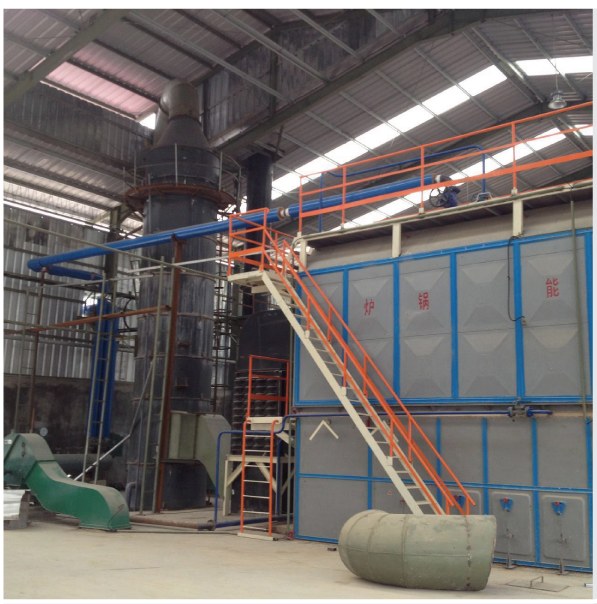
Water for the slurry and for the boiler: how they differ
For the slurry it matters that the water has nothing that stops cement from setting and gaining strength: excess salts, sulfates, chlorides, organics, oil. Drinking water is fit for the slurry without analysis. The boiler needs water of a different class: softened, free of oxygen, with alkalinity kept up. Water that is good for the slurry is not fit for the boiler without treatment: hardness salts will form scale.
In short
5minutes to read
6sections
4sources
3catalog items
In this article
- 01What the owner and the chief engineer should decide
- 02Water for the slurry
- 03Water for the boiler
- 04How they differ: in short
- 05Simple analyses
Contents
A slate plant needs water in two places with completely different requirements. The slurry is cement, fiber and water, and the only thing required of the water here is not to interfere with cement setting and hardening. Excess salts, sulfates, chlorides, organics, oil and turbidity are what is checked. Drinking water from the mains is fit for the slurry without a separate analysis. The boiler needs water of a different class. What matters to it is the absence of hardness salts, which settle as scale, and of dissolved oxygen, which eats the metal, and that the boiler water stays alkaline. So water that suits the slurry is not fit for the boiler without treatment, and softened boiler water is overkill for the slurry.
What the owner and the chief engineer should decide
- Where the water comes from. Mains, your own well, an irrigation ditch (aryk) or a canal. The source determines how many analyses are needed and what treatment the boiler requires.
- Whether the boiler has water treatment. A softener (chemical water treatment), heating of the feed tank, dosing of reagents, a log of analyses. A boiler without water treatment loses heat transfer and burns extra gas, and in the worst case overheats its tubes.
- Who does the analyses. The boiler house operator does the simple boiler water tests every shift; the plant laboratory checks the slurry water when the source changes and periodically.
Water for the slurry
The interstate standard GOST 23732-2011 "Water for concrete and mortar" is written for concrete and mortar, but the binder is the same, cement, so the logic carries over to slate slurry. What matters in the standard:
- Drinking water is fit for any purpose without additional analysis.
- Do not use waste water, swamp water or peat water.
- What is limited: soluble salts, sulfates and chlorides, suspended particles, sodium and potassium; acidity and alkalinity within wide limits; oxidizability (a sign of organics); smell, color and foam from surfactants; petroleum products and fats are allowed only as traces.
- Doubtful water is checked by comparison: trials are made on it and on drinking water, and the setting times and strength are compared.
- Water from washing equipment is allowed if it meets the same requirements and its content of suspended matter is limited.
For a slate plant this means:
- a well and an irrigation ditch need analysis before use; in summer and after a flood the composition of ditch water changes;
- sulfates and chlorides matter not only for strength: soluble salts come out on the surface of the sheet as a white bloom (efflorescence);
- organics and oil interfere with setting and with the bond between layers.
Almost all the water in the slurry is recycled water. Fresh water is needed to top up the loop. How the loop works and what builds up in it is covered in the article on recycled water.
Water for the boiler
Hardness and scale
Calcium and magnesium dissolved in water drop out on the boiler walls as scale when heated. Scale conducts heat an order of magnitude worse than steel, so even a thin layer acts as insulation: fuel consumption rises, the metal of the tubes overheats, and the tubes may fail. Protection is softening of the make-up water (usually an ion exchange filter) and corrective treatment: the residual hardness is turned into sludge, which is removed by blowdown.
Oxygen and corrosion
Cold water dissolves more oxygen, and oxygen causes pitting corrosion of the boiler and pipes. So the feed tank is kept hot, gases are removed by a deaerator or by steam, and the remaining oxygen is bound with a reagent.
Alkalinity and dissolved solids
Boiler water must be alkaline, which protects the metal from corrosion. The required range depends on the type and pressure of the boiler and is set by the manufacturer's instruction and a water quality standard (for example, the European EN 12953-10 for shell boilers). Salts accumulate as water boils off, so the dissolved solids are held down by blowdown.
Condensate
Condensate is almost pure hot water. Returning it cuts the consumption of make-up water, reagents and gas. Dumping condensate means preparing the water anew every time.
How they differ: in short
| What matters | Water for the slurry | Water for the boiler |
|---|---|---|
| Main threat | interference with setting and hardening of cement, efflorescence | scale, corrosion, carry-over of salts with the steam |
| Hardness | hardly matters | the main point: softening is mandatory |
| Oxygen | does not matter | removed |
| Alkalinity | wide tolerance | kept in the set range |
| Organics, oil | limited | limited, oil is especially harmful |
| Treatment | usually not needed for drinking water | always |
Simple analyses
For the slurry (plant laboratory, when the source changes and periodically): acidity, sulfates, chlorides, soluble salts, suspended matter, oxidizability; in case of doubt, a comparative trial of setting and strength against drinking water.
For the boiler (boiler house operator, every shift): hardness after the softener, alkalinity and dissolved solids (conductivity) of the boiler water, temperature of the feed tank. The results go into the water treatment log. The norms for your boiler are in its passport and operating chart.
How we do it
- From the boiler passport and the description of the task, we look for the boiler or unit at the manufacturing plant. What we find, with the price, photos and specifications, we send before the order.
- Where the answer must come from the plant, we ask it and pass on its word.
What this article relies on
Below are the documents and materials we refer to, so that you can check what is said for yourself.
Standards and documents
- GOST 23732-2011 "Water for concrete and mortar. Specifications": types of permissible water, drinking water without analysis, limited indicators, comparative tests, water from washing equipmenttext ↗
- EN 12953-10 "Shell boilers — Part 10: Requirements for feedwater and boiler water quality": quality norms for feed water and boiler water for shell boilers (as mentioned in Spirax Sarco materials; the text of the standard was not opened).
Reference materials
- U.S. Department of Energy, Steam Tip Sheet #7 "Clean Firetube Boiler Waterside Heat Transfer Surfaces": calcium, magnesium and silicon form scale, its thermal conductivity is an order of magnitude lower than steel, overheating of tubes and growth of fuel consumption, preventionenergy.gov ↗
- Spirax Sarco, "The feedtank and feedwater conditioning": role of the feed tank, oxygen and corrosion, heating, softening and residual hardness, alkaline boiler water, condensate returnspiraxsarco.com ↗
GOST 23732-2011 is written for concrete and mortar; its application to slate slurry is our conclusion. The water quality norms for your boiler come from the passport, the operating chart and the manufacturer's instruction.