Where a slate plant needs steam and how not to lose it on the way
At a slate plant steam goes to the autoclave, to the curing chambers and, in winter, to heating water and buildings. It is lost on the way in three places: bare pipes and valves without insulation, faulty steam traps, and condensate drained into a ditch instead of returned to the boiler house.
In short
5minutes to read
5sections
5sources
4catalog items
In this article
- 01What the owner and the buyer need to decide
- 02Who uses steam
- 03Where steam is lost
- 04What to check before buying a new boiler
- 05How we do it
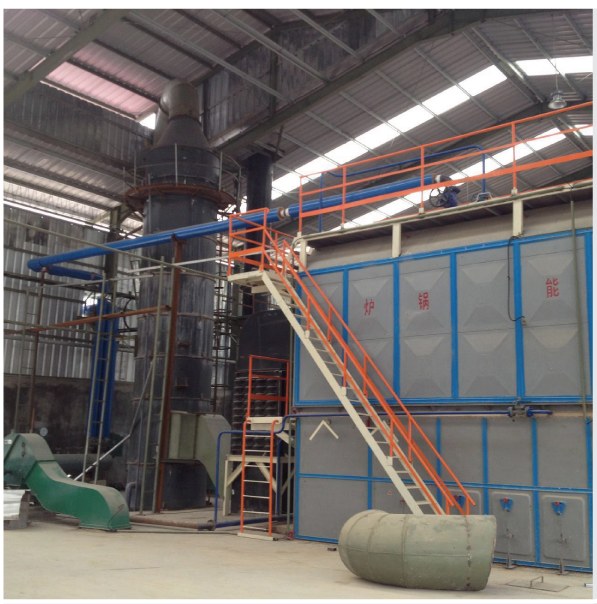
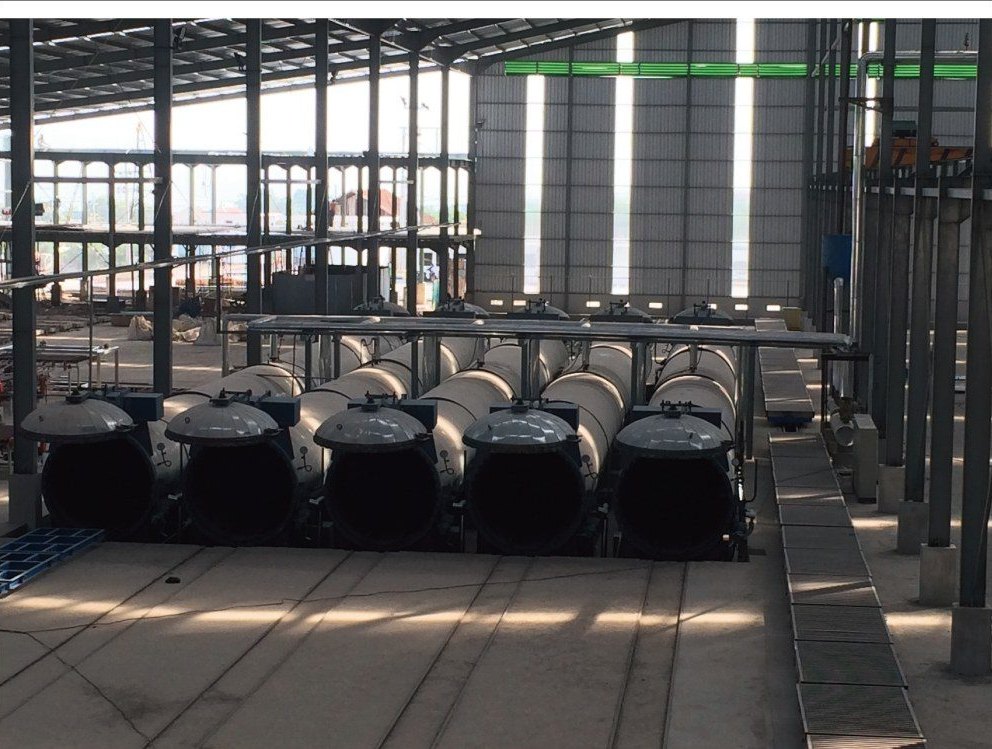
Steam at a slate plant is needed where the sheet hardens and where heating is needed in winter. On an autoclave line the main consumer is the autoclave. On an air-curing line steam goes to the pre-curing chambers. In winter come heating of water, of buildings and of the stacks in the store. Steam that the boiler house pays for is lost on the way to the consumer in three places: pipes and valves without insulation; steam traps that let steam through or do not release water; hot condensate that is drained instead of being returned to the boiler. Before buying a new boiler, it is worth checking these three places: often the steam is short not because of the boiler.
What the owner and the buyer need to decide
- How much steam is really needed. Add up the consumers: autoclave, chambers, heating of water and of the shop in winter. The peak load is when the autoclave builds pressure while the chambers are running at the same time.
- Repair the network or replace the boiler. If the boiler delivers its rated steam output but the autoclave builds pressure slowly, look for losses in the network first.
- What to keep in reserve. Steam traps of the common sizes, gaskets and packing for valves, and removable insulation covers for gate valves and flanges.
Who uses steam
| Consumer | What the steam is for | What matters |
|---|---|---|
| Autoclave | hardening the sheet under saturated steam pressure | fast pressure build-up, dry steam without water |
| Curing chambers | heat and humidity for gaining strength | even supply, without interruptions and without condensate on the sheets |
| Water heating | warm water for the mix and for washing in winter | control, so as not to overheat |
| Heating of the shop and store | winter holding of the sheet, people | works seasonally, often not metered |
How to size a boiler for the consumers is covered in the article on choosing a steam boiler.
Where steam is lost
1. Pipes and valves without insulation
A hot uninsulated pipe gives heat to the air around the clock. The US Department of Energy recommendations advise insulating all hot surfaces: the boiler itself, steam lines, condensate lines, valves. They also say that insulation typically cuts surface heat loss several times over. At plants, insulation is often removed during repairs and not put back. Gate valves, flanges and steam traps stay bare; removable covers are made for them.
Wet insulation hardly holds heat at all. First remove the cause (a leaking valve, a leaking pipe, drips from neighboring equipment), then replace the insulation.
2. Steam traps
Steam in a pipe gives up heat and turns into water, condensate. The steam trap releases this water and holds back the steam. A faulty trap errs in one of two directions:
- it passes steam. Live steam goes into the condensate line or the atmosphere; the boiler works for nothing;
- it does not release water. Condensate accumulates in the pipe and in the consumer. Heat exchange drops, the autoclave and the chamber heat slowly, and water hammer is possible in the pipes.
According to the same recommendations, in networks where traps have not been checked for years, a noticeable share of them can be faulty. This is why checking traps is placed first among the measures for steam. They are checked by the temperature before and after the trap, by sound, by eye at the discharge, and with instruments. The results are recorded, so you can see which places fail more often.
3. Condensate into the ditch
Condensate is hot and already treated water. Manufacturers of steam and condensate equipment estimate that a noticeable part of the useful energy of the steam remains in it. If condensate is returned to the boiler feed tank, less fuel is spent heating the water, less fresh water and reagents are needed to prepare it, and the boiler needs blowdown less often. If condensate is drained, the boiler house pays for all of this again.
At a slate plant not all condensate can be returned: from the chambers, where steam contacts the sheets, it may be contaminated. Clean condensate from the autoclave, heat exchangers and heating is returned; contaminated condensate is not, otherwise the boiler suffers.
What to check before buying a new boiler
- The steam line diagram: where the pipes run, where the valves are, where the traps are.
- A walk-through with a thermal imager or a thermometer: bare sections, hot condensate lines, leaks.
- A list of steam traps marked "working / passing steam / blocked".
- Where the condensate from each consumer goes.
- A record of the pressure at the autoclave and in the boiler house during pressure build-up.
If after repairing the network the steam is still not enough, you will have a ready list of consumers for sizing a new boiler.
How we do it
- We select the boiler and the units of the steam network at the manufacturing plant for your fuel, steam output and pressure. What we find, with the plant's specifications, we send before the order.
- We inspect the lot at the plant before shipment: part number, dimensions, lot, packaging.
What this article relies on
Below are the documents and materials we refer to, so that you can check what is said for yourself.
Reference materials
- U.S. Department of Energy, Steam Tip Sheet #2 "Insulate Steam Distribution and Condensate Return Lines": what to insulate, removed and wet insulation, covers for valves and trapsenergy.gov ↗
- U.S. Department of Energy / NREL, Steam Tip Sheet #1 "Inspect and Repair Steam Traps": the share of faulty traps in unmaintained networks, methods of checking, record keeping — (record: )nrel.gov ↗osti.gov ↗
- Spirax Sarco, materials on condensate return and steam trap management: energy in condensate, savings of water and reagents, less blowdown; consequences of condensate in the steam line — andspiraxsarco.com ↗content.spiraxsarco.com ↗
- Rybyev I. A. "Building Materials Science" (Строительное материаловедение), section "Fundamentals of asbestos-cement product manufacturing": steam curing chambers and the autoclave in asbestos-cement productionstudme.org ↗
- taminota.com catalog: steam boiler for a fibre cement line and autoclave, manufacturing plant descriptions.
Loss figures from the sources are not carried into the article: every network has its own. Consumer modes follow the process regulations of your line.