Pumps
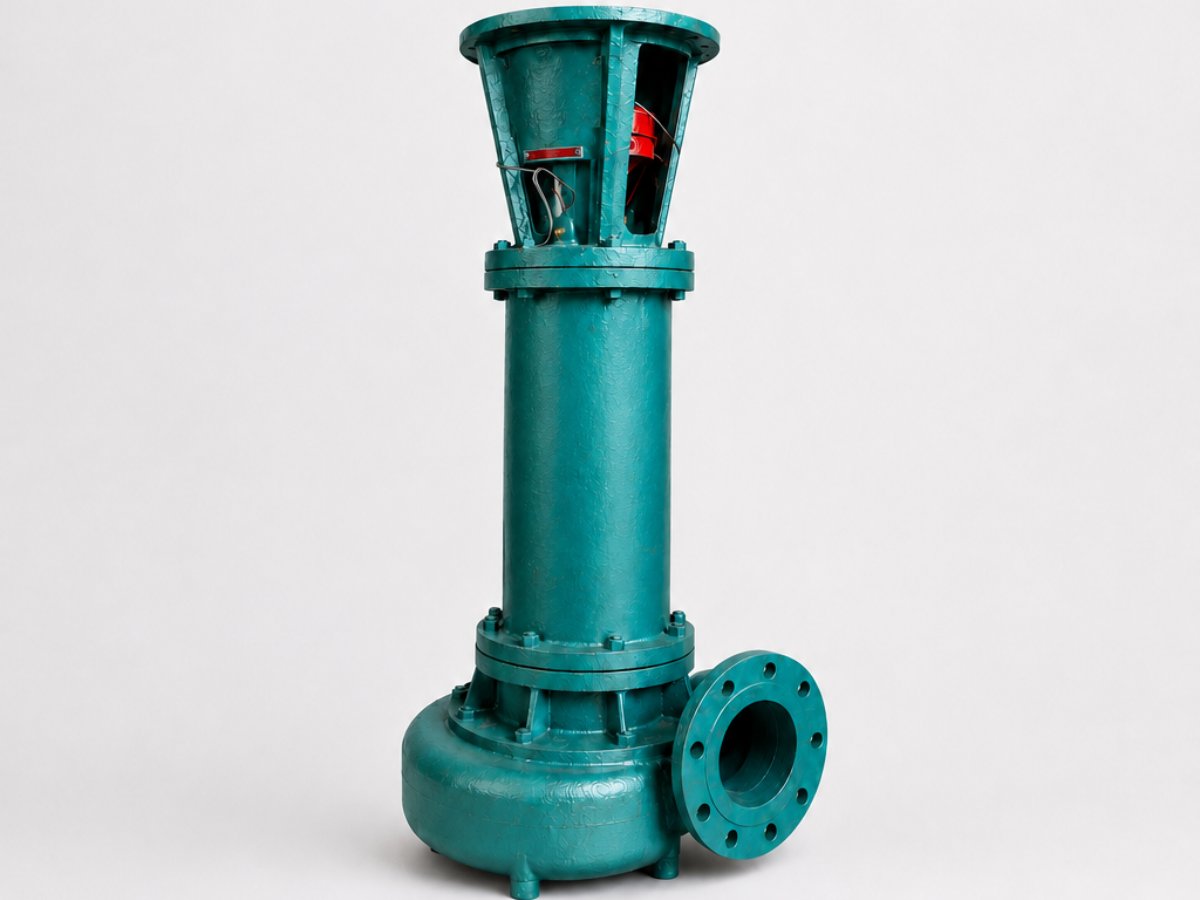
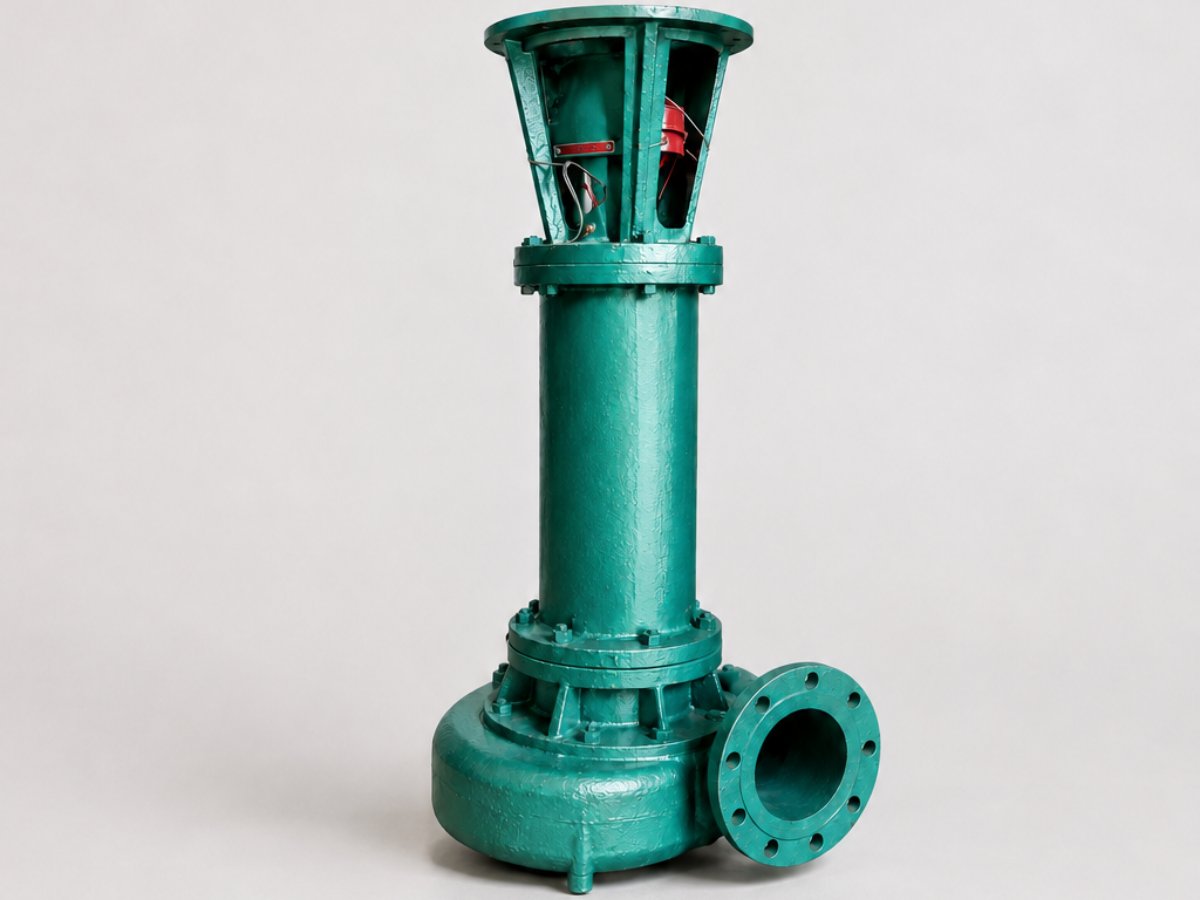
Vertical slurry pump NL150
Flow250m³/h
- TAMINOTA part number
- TMN-NS-150
- Manufacturer part number
- NL150
- Head
- 10 m
- Power
- 22 kW
Purpose: pumping of dirty water, sludge, suspensions and process liquids.
- Category
- Pumps
- Industry
- Asbestos and fiber cement · Corrugated board · Printing · Suits any industry
- Availability
- Ready at factory
What to send for selection
- 01Part number or the number on the nameplate
- 02Photos of the unit and its nameplate
- 03Model of the machine the unit is fitted to
- 04Quantity
Specifications
TMN-NS-150
- Speed
- 1450 rpm
- Outlet port diameter
- 150 mm
How to get this item
- 01You send the part number or a nameplate photo
- 02You get the plant’s invoice and a lead time
- 03Inspection at the plant, delivery, documents
Related articles
- What goes into the price of a part from China delivered to youThe delivered price is the plant's price plus packing, transport, insurance, inspection, customs payments, clearance and delivery within Uzbekistan. Customs does not calculate payments from the plant's price but from the value including freight to the border.
- Pump nameplate: flow, head, speed and how to pick a replacementOn a centrifugal pump nameplate the key figures are flow Q in m³/h and head H in meters at rated speed. That is one point of its curve. A replacement is chosen by that point, the speed and the ports, not by motor power: a pump of the same power can give a different head.
- Slurry pump for sheet plants: why it wears fast, what replaces itA pump on slurry is eaten by sand and cement: the impeller, the casing liner and the shaft seal wear out. A slurry pump with a rubber or wear-resistant metal liner, running at low speed, lasts longer. For a replacement, copy the nameplate, measure the ports and write down what exactly it pumps and from where.
- Trimming and cutting slate to size: wet, dry and offcutsSlate is cut twice. The raw wrap is cut into blanks and the edges trimmed while the sheet is soft: with shears, disc knives or a water jet. The hardened sheet is cut when an exact size or a clean edge is needed: with a saw or abrasive waterjet, and then dust appears. Raw offcuts go straight back into the slurry through the agitator. Hardened offcuts cannot be returned to ordinary slurry: they are either ground to powder as a filler or taken away under the rules of the country.
- Slurry pump designation: what 4/3C-AH and similar meanIn a designation like 4/3C-AH the first number is the suction port in inches, the second is the discharge port, the letter is the frame size with the bearing assembly, and AH is a series of horizontal slurry pumps. The impeller and liner material is usually not visible in the designation: it is written separately. To order an impeller and liners you need the full designation, the pump serial number and the part numbers.
- Slate line stopped: what to do in the first hoursWhen a line stops for a long time, the main thing in the first hours is not to let the cement slurry harden where you would later have to chip it out: in the vats, agitators, pipes, on the screens and the felt. Keep the slurry moving or drain it, wash the screens and felt, then look for the cause, and only after that order the part.
- Winter at a slate plant: water, curing, heatingIn winter a slate plant loses on three things: recirculated water and pipes freeze, the sheet cures more slowly and may freeze while still green, and fresh sheet on an open yard takes up moisture and freezes. Preparation starts in autumn: insulating and heating pipes and tanks, warming the water and slurry, heat in the curing chambers and the shop, a place to store sheet.
- Slate plant recycled water: how the closed loop worksAlmost all the water that the slurry gives up through the screen, the felt and the vacuum does not go down the drain but returns to work. It is collected and left to settle in the recuperator, the clarified water goes to thin the slurry and wash the felt, and the settled slurry goes back into production. The loop holds as long as someone watches it: alkali, salts and fines build up in recycled water.
- Sludge and offcuts: return to the slurry or haul awayRaw offcuts and raw rejects go back into the slurry at once: they are broken down in the agitator and fed back to the bucket agitator. Sludge from the recuperator is returned too, but in a limited share: the cement in it has already begun to set. Hardened waste does not go into the slurry as is: it is either ground to a fine powder and added as filler, or hauled away under the rules of your country.
- Where a slate plant's electricity goes and how to cut itMotors take most of the electricity at a slate plant: mills and edge runners, refiner, hydropulper, vacuum pumps, slurry and water pumps, compressor. Consumption is cut in three steps, not by one purchase: remove idle running and throttling, fit a frequency drive where the load varies, and when replacing a motor choose a suitable power and a high efficiency class. Reactive power compensation is a separate matter.
- TR CU 010/2011: is a declaration of conformity needed for equipmentTR CU 010/2011 is the EAEU technical regulation on the safety of machinery and equipment. For some machines it requires a certificate, for most a declaration of conformity. Equipment for the building materials industry and pumps go by declaration in the current list. Spare parts for repair and used equipment are not subject to confirmation.
- Knife gate valve on the slurry and sludge line: wear and replacementKnife gate valves are fitted on pipes carrying slurry, sludge and recycled water: the blade cuts through the suspension and keeps it from clogging the closure. The gland packing, the seat and the blade wear out, and on sludge valves with sleeves, the sleeves themselves. To replace one you need the nameplate, the seat type, the direction of installation, the flange connection and a description of the medium.
Request
Send a part number or a photo — we will find the factory
Items from the catalog · 1
- TMN-NS-150 · Vertical slurry pump NL150