Pumps
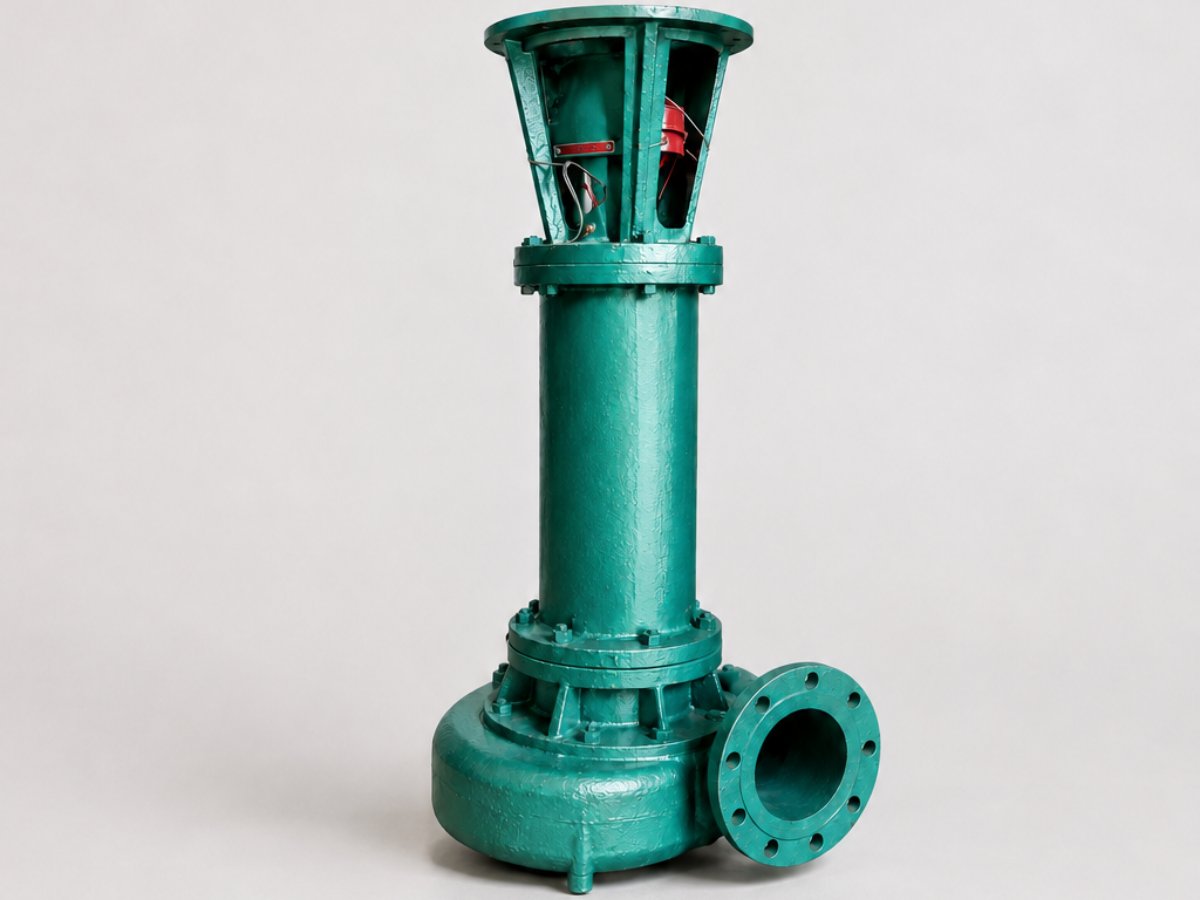
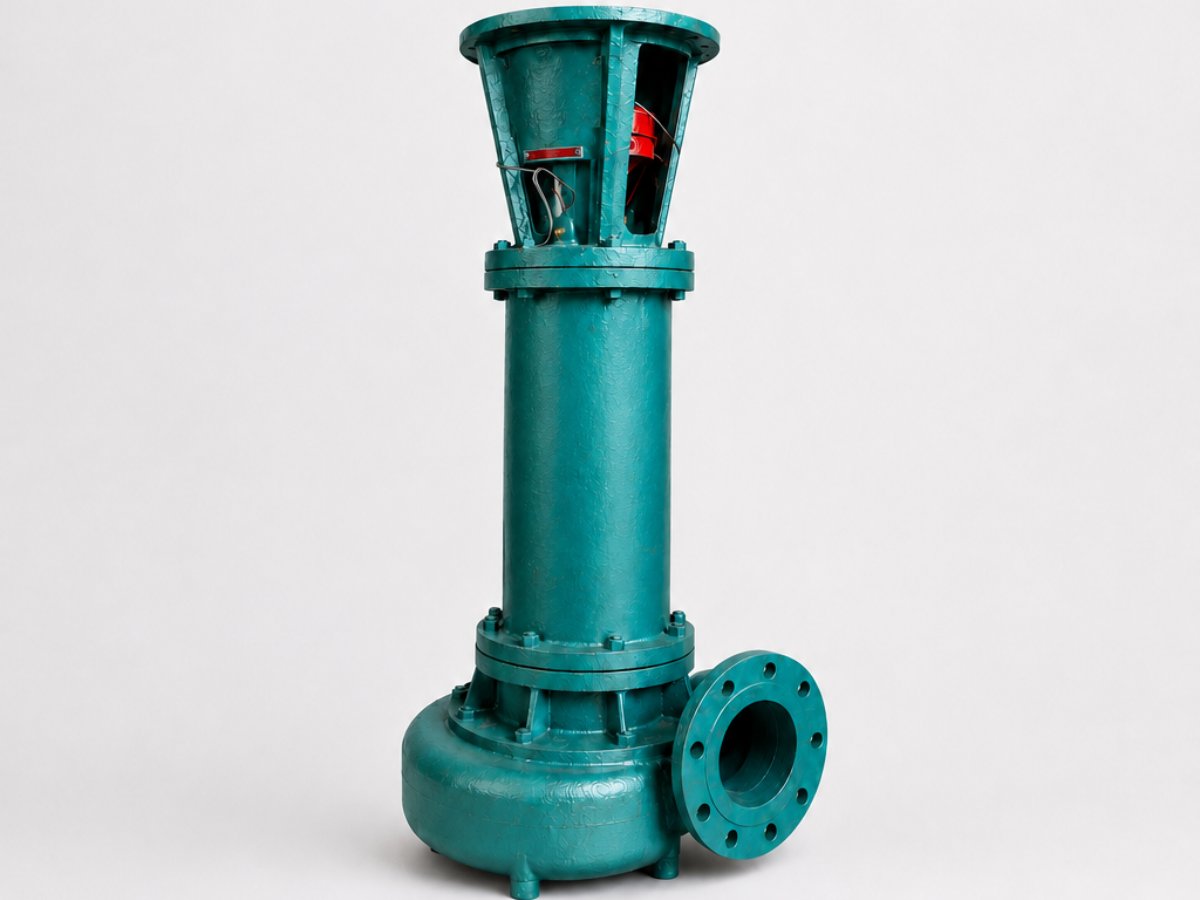
Two-vane vertical slurry pump NL100
Flow150m³/h
- TAMINOTA part number
- TMN-NS-100
- Manufacturer part number
- NL100
- Head
- 10 m
- Power
- 15 kW
Purpose: pumping of dirty water and sludge at industrial enterprises and on production lines.
- Category
- Pumps
- Industry
- Asbestos and fiber cement · Corrugated board · Printing · Suits any industry
- Availability
- Ready at factory
What to send for selection
- 01Part number or the number on the nameplate
- 02Photos of the unit and its nameplate
- 03Model of the machine the unit is fitted to
- 04Quantity
Specifications
TMN-NS-100
- Speed
- 1450 rpm
- Type
- Двухлопастной вертикальный грязевой насос
How to get this item
- 01You send the part number or a nameplate photo
- 02You get the plant’s invoice and a lead time
- 03Inspection at the plant, delivery, documents
Related articles
- Pump nameplate: flow, head, speed and how to pick a replacementOn a centrifugal pump nameplate the key figures are flow Q in m³/h and head H in meters at rated speed. That is one point of its curve. A replacement is chosen by that point, the speed and the ports, not by motor power: a pump of the same power can give a different head.
- Slurry pump for sheet plants: why it wears fast, what replaces itA pump on slurry is eaten by sand and cement: the impeller, the casing liner and the shaft seal wear out. A slurry pump with a rubber or wear-resistant metal liner, running at low speed, lasts longer. For a replacement, copy the nameplate, measure the ports and write down what exactly it pumps and from where.
- Forming machine spare parts to keep in stock for a yearFor a Hatschek machine keep in stock what is made to your machine's size and what stops it when missing: felts, cylinder screens, vacuum box strips, knives, coverings and roll bearings, pump impellers and liners, spray nozzles. Work out the quantity from your own replacement log, not from someone else's norm.
- Trimming and cutting slate to size: wet, dry and offcutsSlate is cut twice. The raw wrap is cut into blanks and the edges trimmed while the sheet is soft: with shears, disc knives or a water jet. The hardened sheet is cut when an exact size or a clean edge is needed: with a saw or abrasive waterjet, and then dust appears. Raw offcuts go straight back into the slurry through the agitator. Hardened offcuts cannot be returned to ordinary slurry: they are either ground to powder as a filler or taken away under the rules of the country.
- Slurry pump designation: what 4/3C-AH and similar meanIn a designation like 4/3C-AH the first number is the suction port in inches, the second is the discharge port, the letter is the frame size with the bearing assembly, and AH is a series of horizontal slurry pumps. The impeller and liner material is usually not visible in the designation: it is written separately. To order an impeller and liners you need the full designation, the pump serial number and the part numbers.
- Slate line stopped: what to do in the first hoursWhen a line stops for a long time, the main thing in the first hours is not to let the cement slurry harden where you would later have to chip it out: in the vats, agitators, pipes, on the screens and the felt. Keep the slurry moving or drain it, wash the screens and felt, then look for the cause, and only after that order the part.
- Winter at a slate plant: water, curing, heatingIn winter a slate plant loses on three things: recirculated water and pipes freeze, the sheet cures more slowly and may freeze while still green, and fresh sheet on an open yard takes up moisture and freezes. Preparation starts in autumn: insulating and heating pipes and tanks, warming the water and slurry, heat in the curing chambers and the shop, a place to store sheet.
- Slate plant recycled water: how the closed loop worksAlmost all the water that the slurry gives up through the screen, the felt and the vacuum does not go down the drain but returns to work. It is collected and left to settle in the recuperator, the clarified water goes to thin the slurry and wash the felt, and the settled slurry goes back into production. The loop holds as long as someone watches it: alkali, salts and fines build up in recycled water.
- Sludge and offcuts: return to the slurry or haul awayRaw offcuts and raw rejects go back into the slurry at once: they are broken down in the agitator and fed back to the bucket agitator. Sludge from the recuperator is returned too, but in a limited share: the cement in it has already begun to set. Hardened waste does not go into the slurry as is: it is either ground to a fine powder and added as filler, or hauled away under the rules of your country.
- Knife gate valve on the slurry and sludge line: wear and replacementKnife gate valves are fitted on pipes carrying slurry, sludge and recycled water: the blade cuts through the suspension and keeps it from clogging the closure. The gland packing, the seat and the blade wear out, and on sludge valves with sleeves, the sleeves themselves. To replace one you need the nameplate, the seat type, the direction of installation, the flange connection and a description of the medium.
Request
Send a part number or a photo — we will find the factory
Items from the catalog · 1
- TMN-NS-100 · Two-vane vertical slurry pump NL100