Heat: fast setting, over-dried sheet and overheated motors
In hot weather cement sets faster, water leaves the green sheet faster, and motors and control cabinets run hotter. Hence three summer problems: slurry thickens in the vats and pipes, sheet dries out in the yard and cracks, motors and frequency drives trip on overheating. The answer: control of water and slurry temperature, shelter and moistening of the sheet, ventilation of motors and cabinets.
In short
4minutes to read
5sections
5sources
4catalog items
In this article
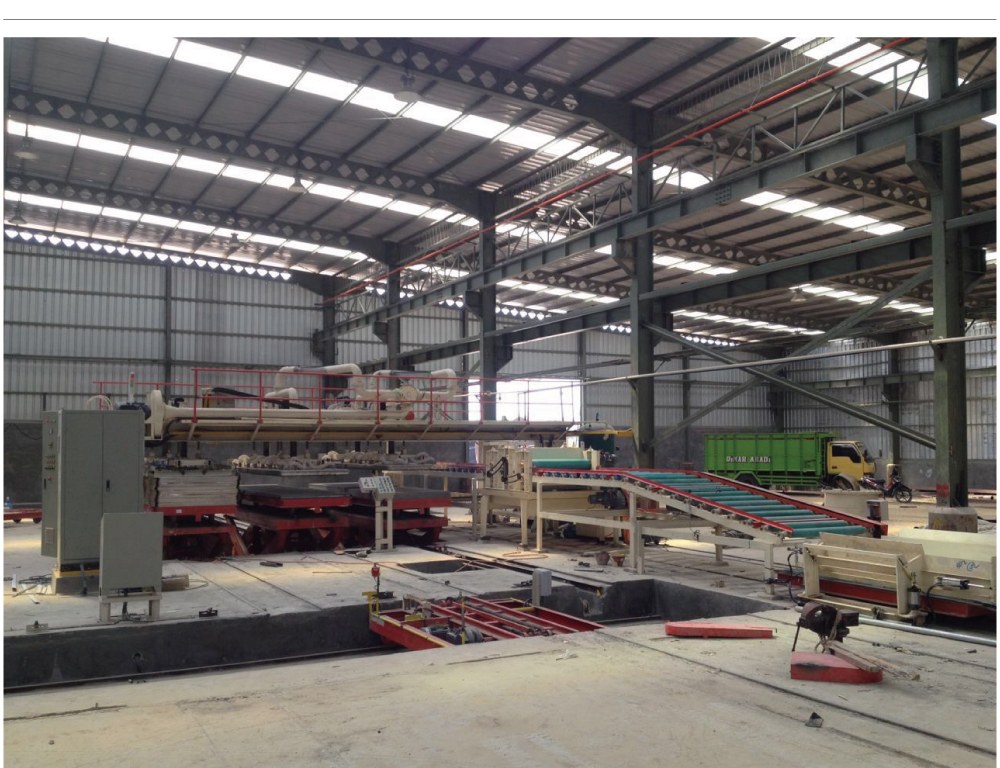
Heat hits a slate plant in three places. The first is the slurry: cement in warm water sets faster, and the slurry thickens in the vats, agitators and pipes faster than in winter. The second is the sheet: in sun and wind the green, fresh sheet quickly loses water from its surface, the cement lacks water to harden, and shrinkage cracks appear. The third is the equipment: motors, frequency converters and control cabinets are rated for a certain ambient air temperature; in a hot, dusty shop they overheat and are switched off by their protection. Preparing for summer is worth doing the way you prepare for winter, in advance.
What the owner and the chief mechanic should decide before summer
- Ventilation of the shop and cabinets. Whether there is enough air supply to the motors and control cabinets, and whether the cabinets with frequency drives and controllers have cooling.
- Where fresh sheet lies. Whether there is a canopy or shelter from sun and wind for sheet that is still gaining strength.
- Stock. Fans and filters for cabinets, motor fans, bearings: in summer they are replaced more often.
Slurry and water
In hot weather water and slurry are warmer. Cement in warm water sets faster, which means:
- the time the slurry can stand without moving becomes shorter: when the line stops, draining and washing must start earlier than in winter;
- in pipes and chutes where the flow is weak, the deposit builds up faster;
- the consistency of the slurry and of the film on the screens changes during the day along with the temperature.
What is done: watch the temperature of the recirculated water, do not keep its tanks in the sun, wash pipes and vats at every stop. The permissible temperature of water and slurry is set by the process regulations of your line; if it is not there, that is a reason to write it in.
Sheet: over-drying and cracks
Guides to concreting in hot weather name two main threats: fast setting and fast evaporation of water from the surface. Heat, wind, low humidity and sun take water out of fresh concrete faster than it rises from inside. The surface shrinks and cracks, and the cement near the surface gets too little water for hardening. Hardening at high temperature also gives lower strength at a later age than at a moderate one.
A thin slate sheet is especially sensitive to this. At a plant it looks like this:
- sheet after the curing chamber or demolding dries in a draught and in the sun: cracks along the edge and along the wave crests;
- stacks on an open yard dry unevenly: the top sheet faster than the lower ones;
- painted sheet without a canopy: GOST 30340-2012 directly requires painted sheets to be stored on areas protected from precipitation and direct sunlight.
What is done: cover fresh stacks from sun and wind, do not put them in a draught near the gates, shorten the time between the chamber and covered storage. Moistening the sheet after the chamber follows the process regulations: excess water on the surface also gives defects.
Motors, frequency drives, cabinets
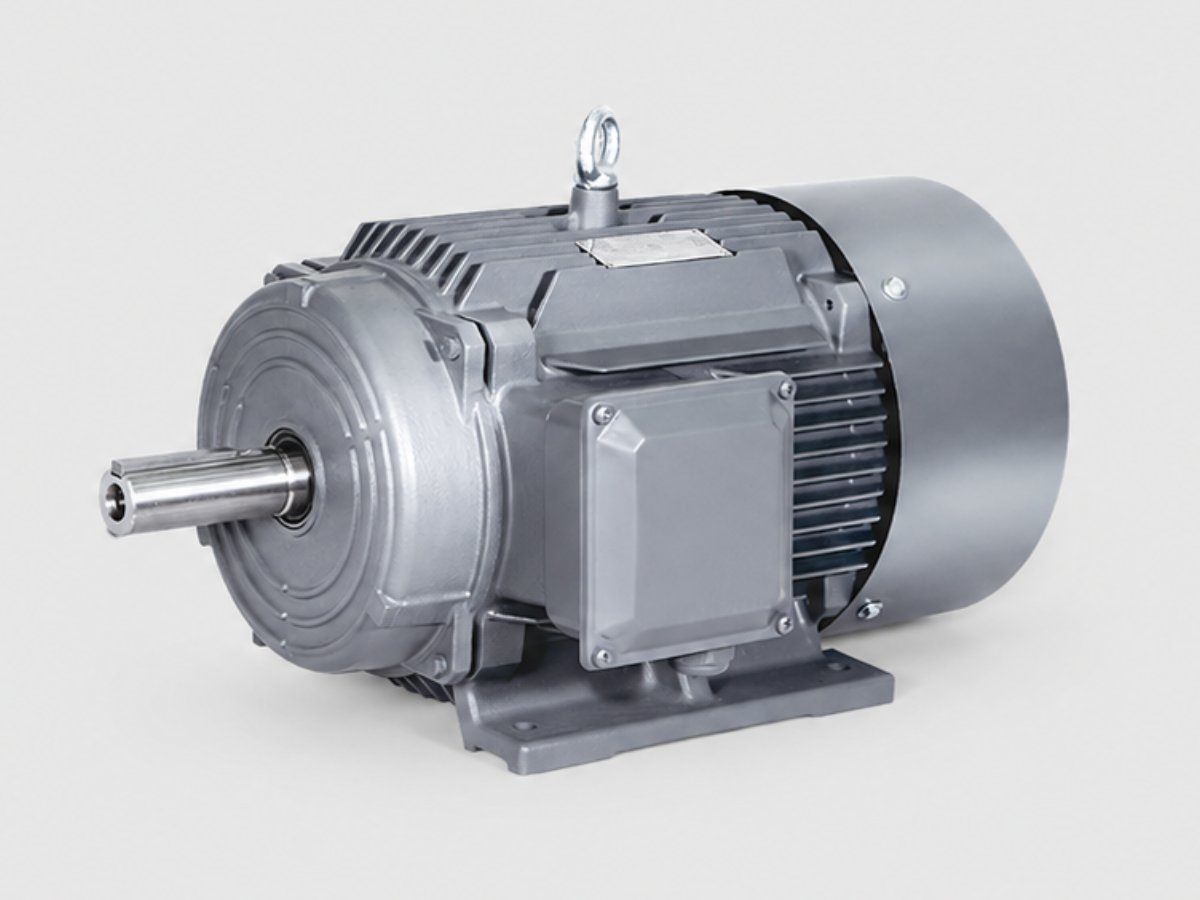
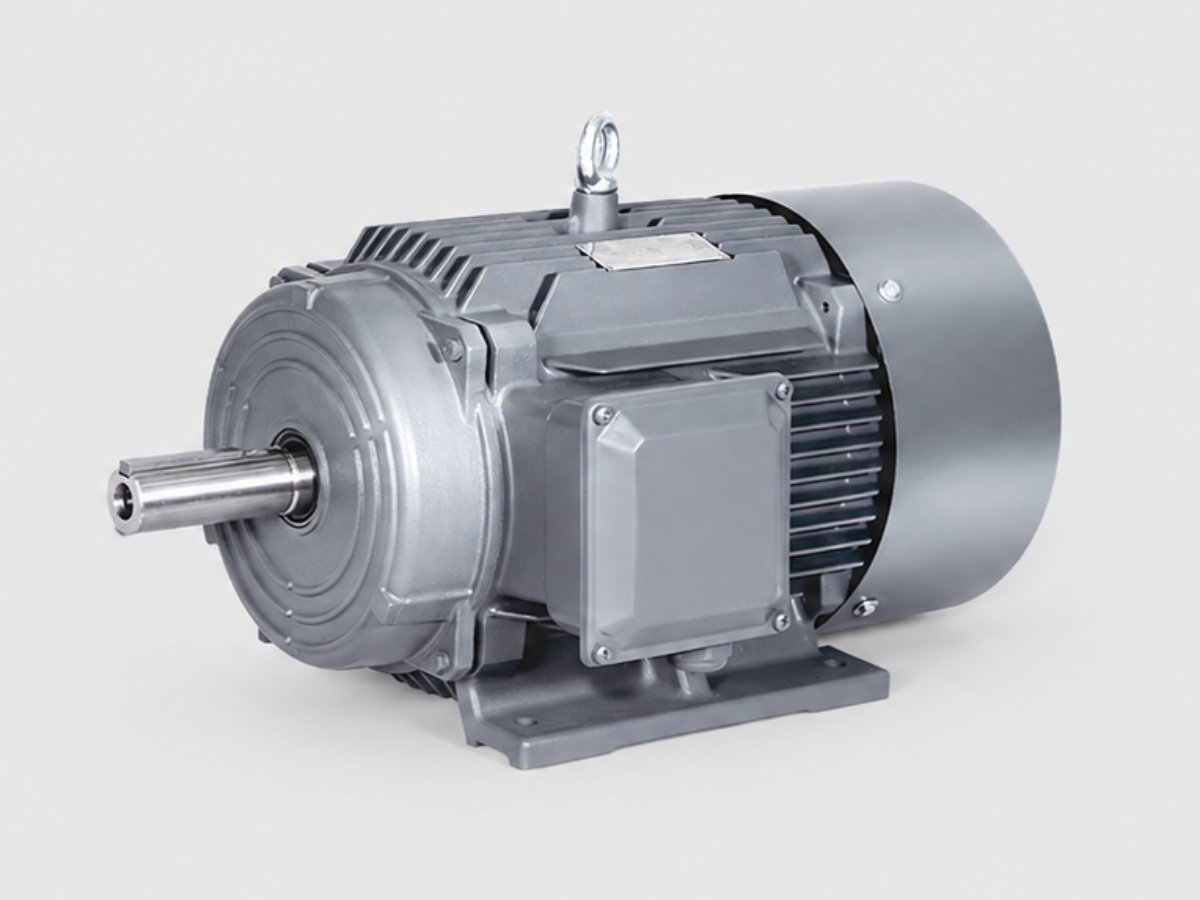
The motor power on the nameplate is given for a certain ambient air temperature and altitude above sea level, which are set by the IEC 60034-1 standard and the motor passport. If it is hotter around the motor, it must either be derated, or cooled, or a motor with a margin must be installed. The insulation class on the nameplate shows what heating the winding withstands; overheating beyond it shortens the life of the winding.
What overheats motors at a slate plant in summer:
- cement dust on the casing fins and in the fan cover: the motor gives off heat worse;
- the motor stands in a niche or under a cover with no air supply;
- a frequency converter runs the motor at low speed: the motor's own fan blows weaker;
- bearing wear and coupling misalignment add heat.
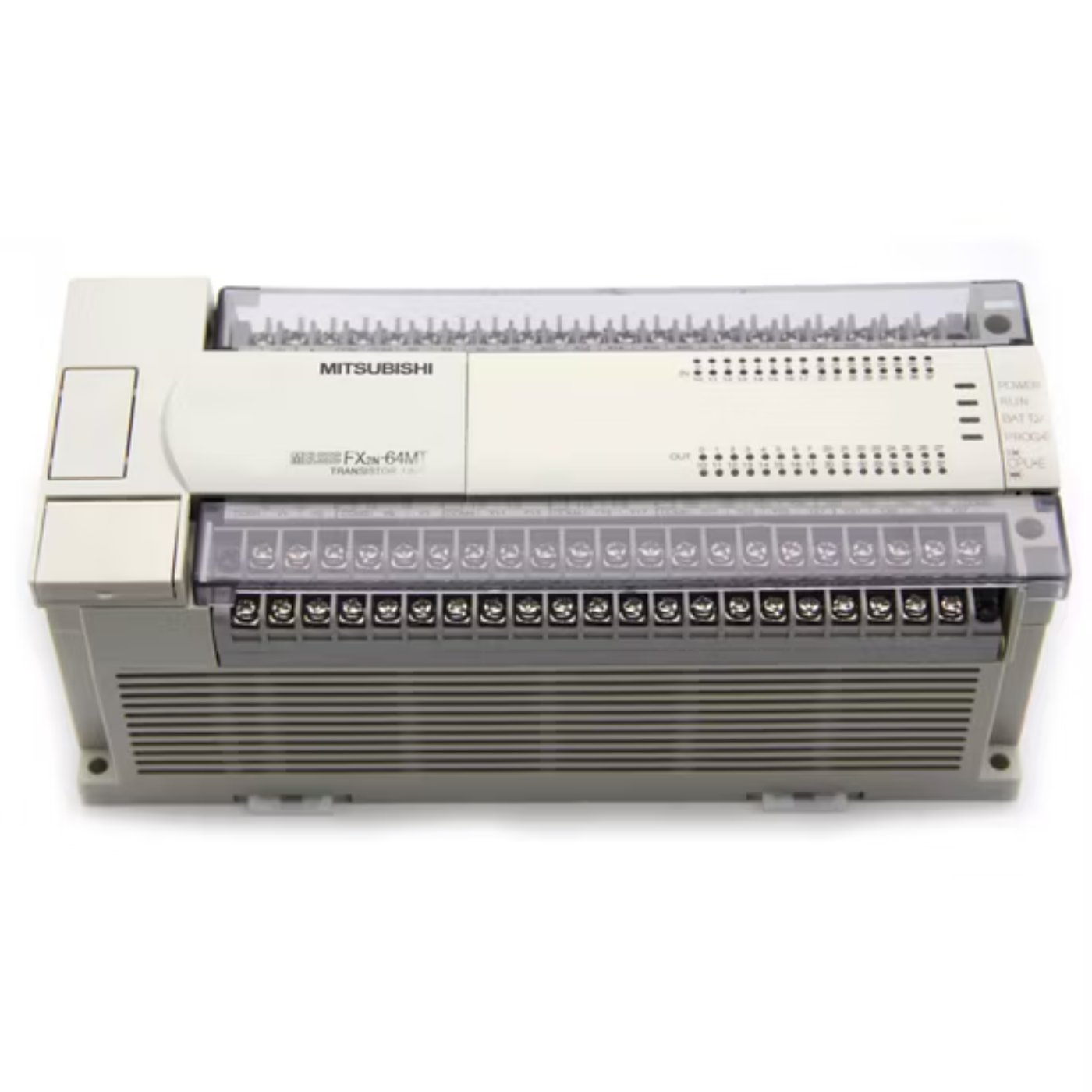
Control cabinets with frequency drives and controllers heat up from inside. In heat and dust, a cabinet fan with a clogged filter cannot cope, and the electronics trip into protection.
What is done:
- blow out the motors and clean the fins of dust on a schedule, more often in summer;
- replace the cabinet fan filters and check the fans themselves;
- where cabinets overheat, install cabinet cooling with dust protection;
- check the temperature of motor casings and bearings on rounds.
How we do it
- From the photo, dimensions and the passport of the unit, we look for the item at the manufacturing plant. What we find, with the price, photos and specifications, we send before the order.
- We inspect the lot at the plant before shipment: part number, dimensions, lot, packaging.
What this article relies on
Below are the documents and materials we refer to, so that you can check what is said for yourself.
Standards and documents
- GOST 30340-2012 "Chrysotile-cement corrugated sheets. Specifications": storage of sheets, painted ones protected from precipitation and direct sunlight (clause 9.2.4)text ↗
- ACI 305R-10 "Guide to Hot Weather Concreting", preview excerpt: definition of hot weather, accelerated setting, evaporation and plastic shrinkage crackstext ↗
Reference materials
- NRMCA, "CIP 12 — Hot Weather Concreting": fast setting, increased water demand, lower late strength when curing in heatnrmca.org ↗
- Electrical Engineering Portal, "Selection of induction motors for industrial applications, part 2": rated power for a given ambient air temperature and altitude, power derating in heatelectrical-engineering-portal.com ↗
- SEW-Eurodrive, "Derating depending on the installation altitude": reduction of motor torque under IEC 60034-1 depending on installation conditionsdownload.sew-eurodrive.com ↗
The sources on heat are written for concrete; for a thin sheet the principle is the same, while the regimes follow the process regulations of your plant. For the permissible air temperature for a motor, see the nameplate and the passport.