Sludge and offcuts: return to the slurry or haul away
Raw offcuts and raw rejects go back into the slurry at once: they are broken down in the agitator and fed back to the bucket agitator. Sludge from the recuperator is returned too, but in a limited share: the cement in it has already begun to set. Hardened waste does not go into the slurry as is: it is either ground to a fine powder and added as filler, or hauled away under the rules of your country.
In short
5minutes to read
7sections
5sources
4catalog items
In this article
- 01What the owner and the technologist should decide
- 02Raw offcuts and raw rejects
- 03Recuperator sludge
- 04Hardened waste
- 05How to tell the return has been overdone
Contents
A slate line has three kinds of waste, and each has a different fate. Raw offcuts and raw rejects (trimmings of the wrap, edges after the corrugator, sheet spoiled before hardening) are still "alive": they are broken down in water in the offcut agitator and returned to the slurry. Sludge, the sediment from the recuperator and from water-jet cutting, is returned too, but in a limited share: the cement in it has already begun to hydrate and works poorly as a binder. Hardened breakage and offcuts do not go into the slurry "as is": they are either ground to a fine powder and added as filler, or hauled away as waste under the rules of your country. The main mistake is to return everything and as much as possible: the composition of the slurry drifts away from the recipe, and it shows on the sheet.
What the owner and the technologist should decide
- Which waste streams the line has. Raw offcuts, raw rejects, recuperator sludge, water-jet cutting sludge, hardened breakage from the stack and from the finished goods yard. Each has its own route, and they are not mixed.
- What share of return is acceptable. The technologist sets it from the recipe and the laboratory checks it. In the process regulations it should be a separate line: how much raw offcut and how much sludge per batch.
- What to do with the hardened waste. Not every line has a grinding unit. Without one, hardened breakage piles up, and hauling it away becomes a permanent item of work. How to haul and record such waste is set by the rules of your country.
Raw offcuts and raw rejects
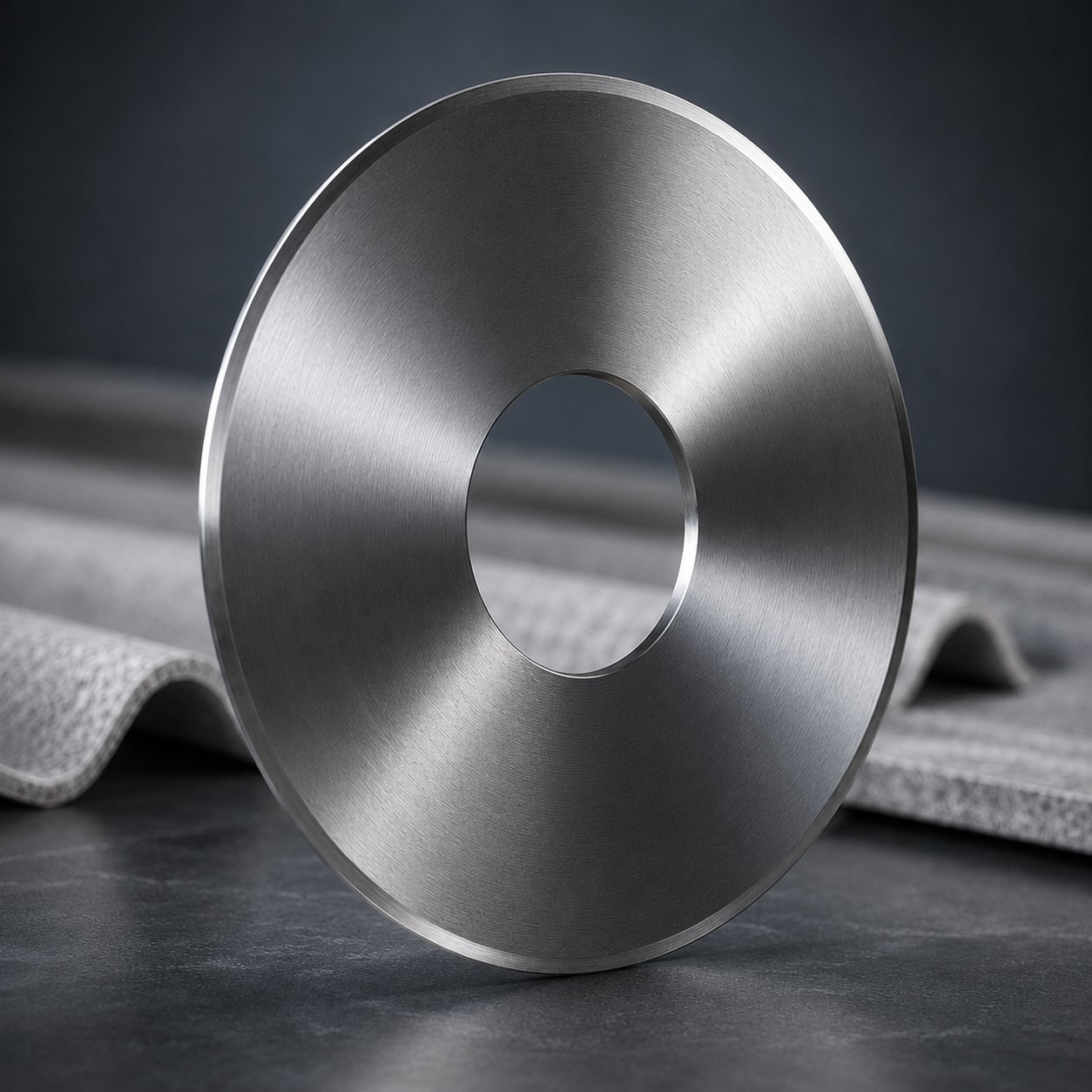
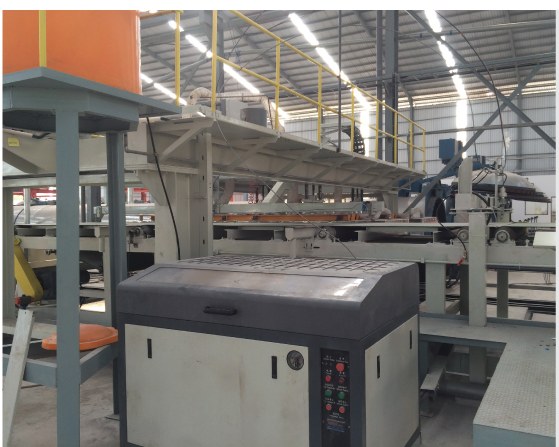
On the line, offcuts appear in two places: the shears cut the wrap into blanks, and disc knives trim the longitudinal edges after the corrugator. The offcuts fall onto the conveyor and go to the offcut processing agitator. There they are broken down in water into a suspension and pumped to the bucket agitator, where they mix with fresh slurry.
Why this works: the cement in raw offcuts has not hardened, the fiber is intact, and after breaking down the slurry is almost the same as fresh. But "almost" is the important word:
- offcuts arrive unevenly: when the format changes or there are rejects, there are suddenly far more;
- they already hold less water than the slurry and change its concentration;
- the longer offcuts lie before the agitator, the further setting has gone in them.
So offcuts are fed in measured amounts and without delay, not dumped into the agitator all at once. A sudden surge of rejects is better spread over several batches.
Recuperator sludge
What the screen did not hold settles in the recuperator: cement, fine fiber, filler. This sediment is returned to the slurry, otherwise it would have to be hauled away in large volumes. In the description of an industrial sludge return system, it is fed to the machines with density control, and the share of returned solids in the product is held to a small value. The reason is the same: the cement in the sediment has already reacted and adds almost no strength to the sheet. If the share is exceeded, the sheet loses strength.
What matters for the mechanic:
- sediment is drawn off regularly, not allowed to compact and set on the bottom;
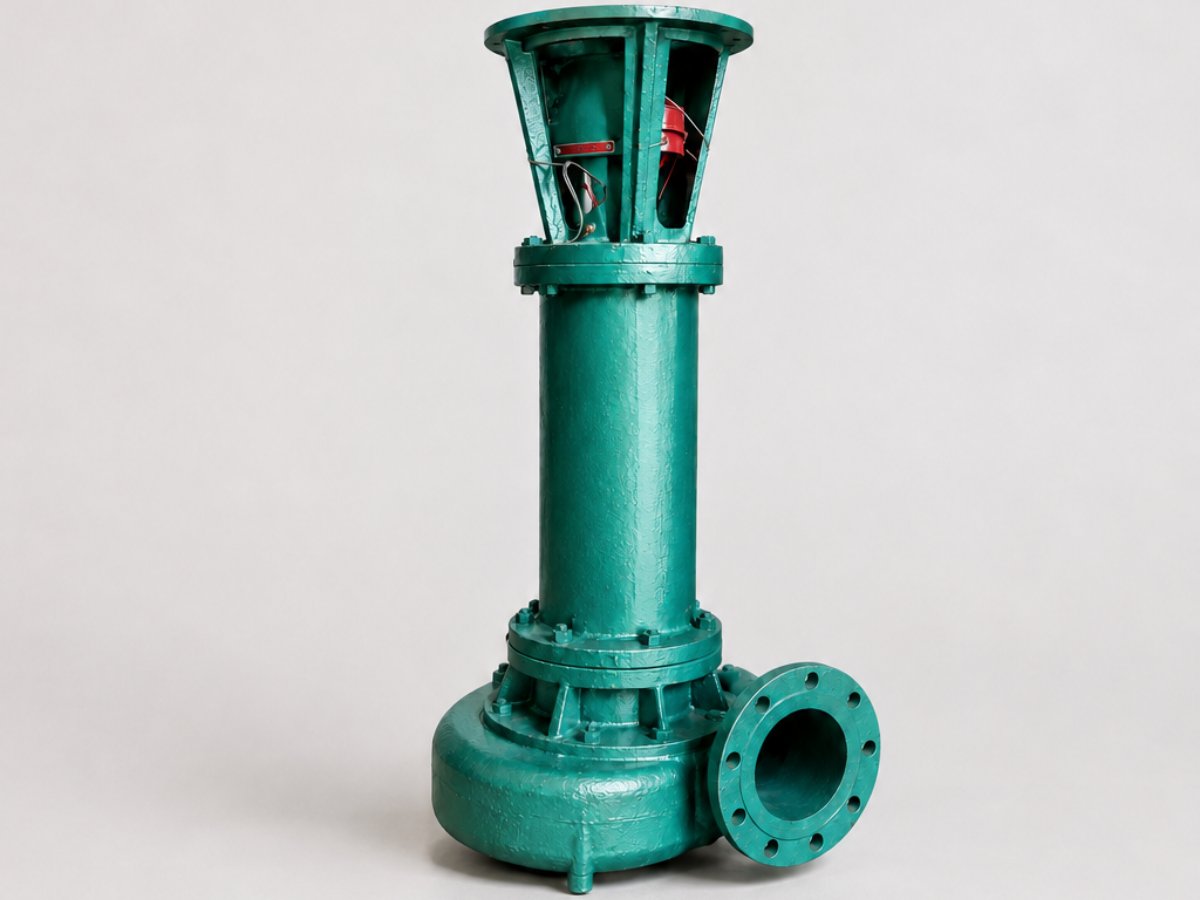
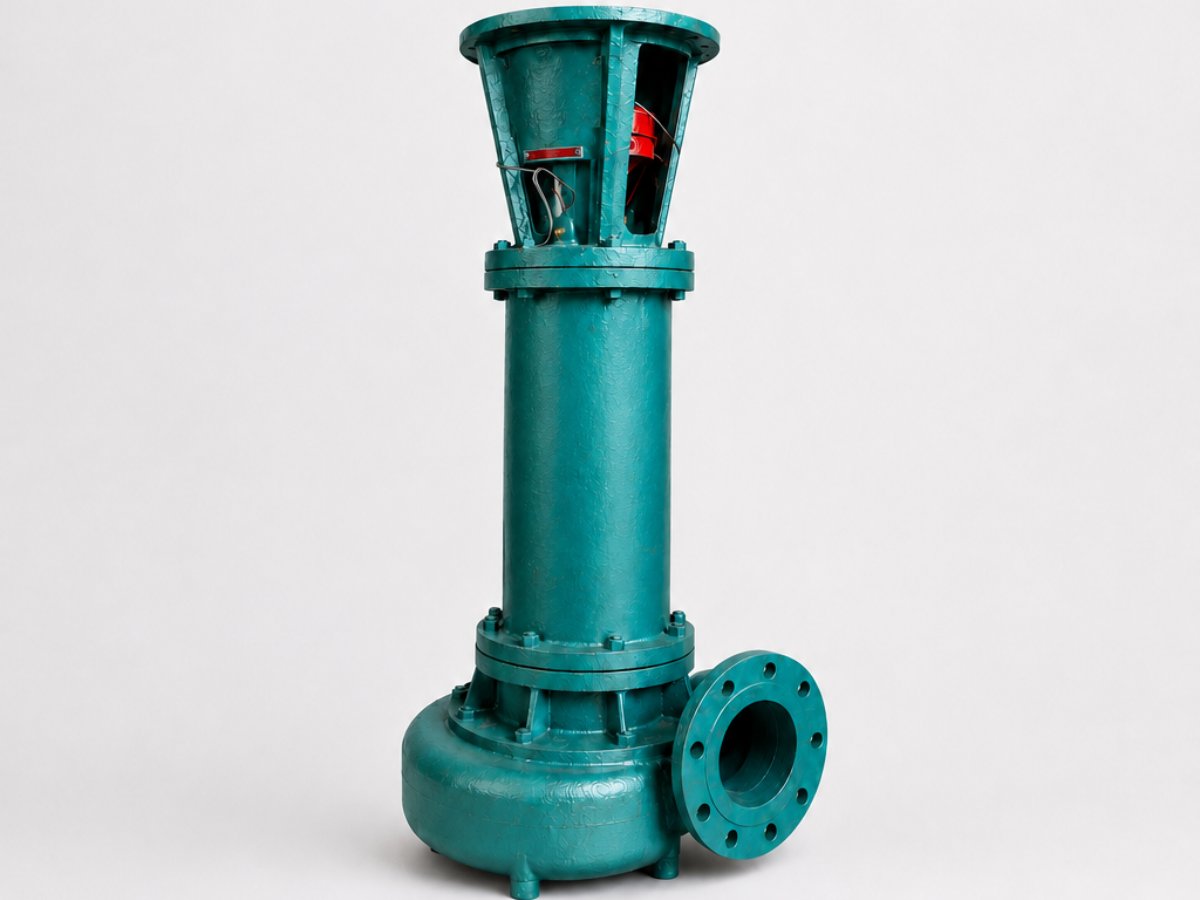
- slurry pumps and pipes work in an abrasive medium and need a stock of wear parts;
- after a stoppage the slurry lines are flushed, otherwise the sediment hardens in the pipes.
Hardened waste
Hardened breakage, offcuts from cutting finished sheet, rejects from the finished goods yard are already stone. It cannot be broken down in the agitator. There are two ways.
- Grinding into filler. Patents of a fiber cement manufacturer describe it: the waste is crushed, ground dry in a pendulum mill to a fineness close to cement or ground filler, and this powder replaces part of the cement, sand or filler in the slurry. They also note that such additions used to raise water absorption and lower strength, and that the result depends on the method of grinding. So the share of powder is chosen by a trial batch, and the sheet is checked in the laboratory.
- Hauling away. If there is no grinding or the powder fails on properties, the waste is hauled away. Where to and with what documents is set by the rules of your country on waste. For sheet containing chrysotile these rules are their own, and they are clarified with the environmental protection authority before hauling.
How to tell the return has been overdone
| Sign on the sheet or machine | Possible cause |
|---|---|
| Slurry concentration jumps from batch to batch | offcuts or sludge are fed in jerks |
| The sheet is weaker at the same recipe | the share of sludge or of powder from hardened waste is too large |
| The layer holds worse on the screen, the water is more turbid | too many fines from the sludge |
| Delamination and a crumbly edge | the offcut lay too long and was fed in partly set |
Records
Offcuts and rejects are output too, only the unsuccessful kind. If records are kept by shift, you can see how much slurry went into offcuts and rejects and where they came from. How to keep such records without software is covered in the article on output and reject records.
How we do it
- From the photo, dimensions and passport of the knife, pump or unit, we look for the item at the manufacturing plant. What we find, with the price, photos and specifications, we send before the order.
- We inspect the lot at the plant before shipment: part number, dimensions, lot, packaging.
What this article relies on
Below are the documents and materials we refer to, so that you can check what is said for yourself.
Standards and documents
- Resolution of the USSR Council of Ministers of 22.10.1990 No. 1072, section "Machinery and equipment of the asbestos-cement industry": agitators for processing offcuts and suspension, recuperators in the preparation sectiontext ↗
Reference materials
- "Equipment for the production of asbestos-cement products" (Оборудование для производства асбестоцементных изделий, stroy-technics.ru): offcuts from the rotary shears and the corrugator are processed in the agitator and fed as a suspension to the bucket agitatorstroy-technics.ru ↗
- Patent US 4221633 "Method and apparatus for controllably recycling the solids content of the effluent from an asbestos-cement products forming plant": sludge return with density control, limit on the share of returned solids, sediment with already hydrated cementpatents.google.com ↗
- Patent US 11554987 "Methods for producing fiber cement products with fiber cement waste": sources of hardened waste, dry grinding in a pendulum mill, replacement of part of the solids in the slurry, earlier problems with strength and water absorptionpatents.google.com ↗
- Patent PL 110702 "Method of manufacturing building elements of asbestos-cement waste material": processing of asbestos-cement sludge by drying and grinding, the cost of dryingpatents.google.com ↗
The share of returned offcuts, sludge and powder on your line comes from the process regulations and a laboratory check; the handling of waste is under the rules of your country.