Slate plant recycled water: how the closed loop works
Almost all the water that the slurry gives up through the screen, the felt and the vacuum does not go down the drain but returns to work. It is collected and left to settle in the recuperator, the clarified water goes to thin the slurry and wash the felt, and the settled slurry goes back into production. The loop holds as long as someone watches it: alkali, salts and fines build up in recycled water.
In short
6minutes to read
6sections
4sources
4catalog items
In this article
- 01What the owner and the chief mechanic should decide
- 02How the water goes round
- 03What builds up in recycled water
- 04How water problems show on the machine
- 05Engineering layer: what to check
Contents
On a slate line there is many times more water in the slurry than dry matter. Almost all of it leaves the layer on the screen, through the felt and the vacuum boxes. It cannot be dumped, and it does not pay to: it carries cement and fiber that did not settle on the screen, and the machine needs the water again. So the plant runs a closed loop: spent water is collected in the recuperator (thickener), the solids settle there, the clarified water goes to thin the slurry and to wash the screen and felt, and the sludge returns to the slurry. Fresh water is added only to replace what left with the sheets, evaporated or went out with the waste. The loop holds as long as someone watches it: alkali, dissolved salts and fine particles build up in recycled water.
What the owner and the chief mechanic should decide
- Who is responsible for the water. The recuperator, the slurry water pumps and the pipes are shared equipment of the line, and it is easy to leave them "nobody's". The loop needs an owner: a technologist or mechanic who looks at the turbidity of the water and the sludge level every shift.
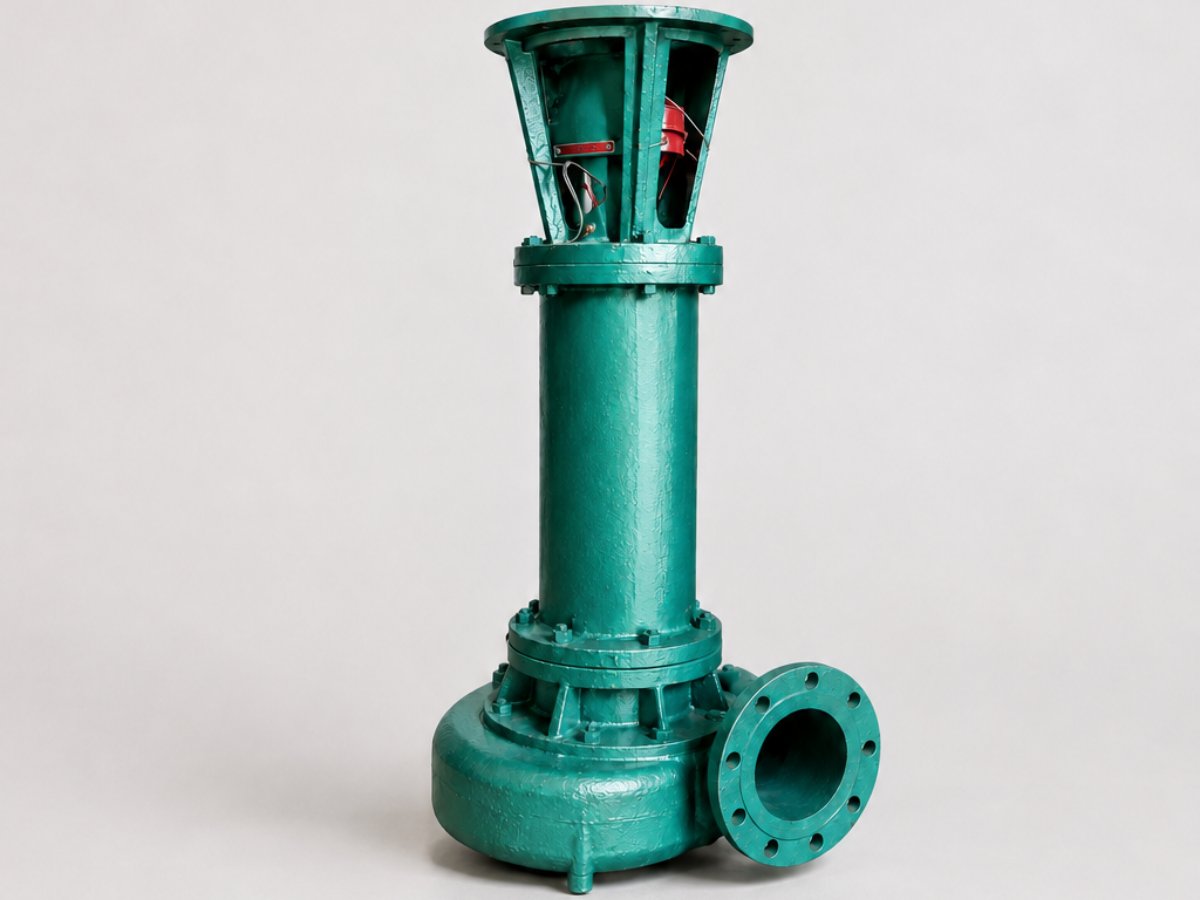
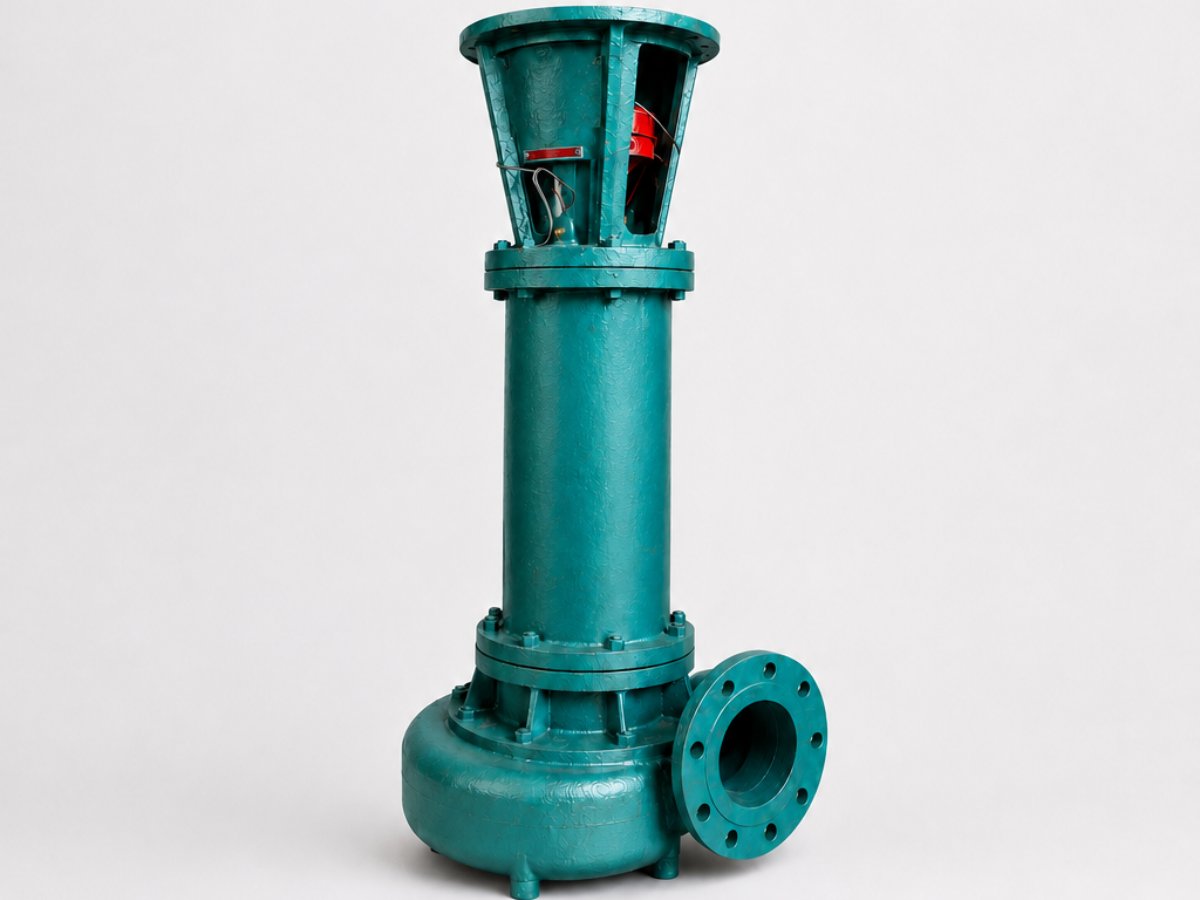
- What to keep in stock. Slurry water and recycled water pumps and their wear parts (impeller, wear plate, seal), the nozzles that wash the felt and the screen, the gate valves on the slurry lines. If the recycled water pump stops, felt washing stops, and the machine follows.
- Where to put the surplus. Even in a closed loop some water and sludge has to be taken out. How to do that is set by the rules of your country on discharge and waste, not by the technology.
How the water goes round
- The vats of the cylinder screens. The slurry arrives thinned. A layer settles on the screen, and the water passes through the mesh into the cylinder.
- Felt and vacuum. The layer moves onto the felt, and the vacuum boxes draw more water out of it.
- Collection. Water from the cylinders, the vacuum system and the washing of the felt and screen runs together into a common collector.
- The recuperator. A large tank, most often conical. A slow flow lets the cement and fiber settle. Clarified water is taken off at the top, thickened sludge at the bottom.
- Return. Clarified water goes to the wash showers of the felt and screen and to thin the slurry before the vat. The sludge from the bottom is returned to slurry preparation, where it is mixed with fresh slurry.
What builds up in recycled water
Alkali
While cement hydrates, it gives alkali to the water. In a closed loop the alkali does not leave but accumulates: recycled water at such plants is strongly alkaline. This affects setting, the work of admixtures and flocculants, the corrosion of steel parts and the scale in showers and pipes.
Dissolved salts
Along with alkali, salts that came with the cement, the filler and the fresh water build up. When water evaporates from the surface of the sheet, they come out on it as a white bloom. Efflorescence on finished slate can also come from the composition of the water. For details, see the article on efflorescence.
Fines
The finest particles of cement and fiber are not held by the screen, and the recuperator settles them poorly. If they do not leave the loop, their share in the slurry slowly grows, and the composition of the slurry "drifts" away from the recipe. Flocculants are used against this: they gather the fines into flocs that are held on the screen and settle faster.
Sludge that has lost its strength
The cement in the sludge has already started to hydrate. The longer the sludge stands, the less use it is as a binder. So the share of returned sludge in the slurry is limited, and care is taken that it does not stagnate in the recuperator and the pipes.
How water problems show on the machine
| Sign | Where to look |
|---|---|
| The felt shower hits unevenly, the felt clogs faster | nozzles clogged with sludge or scale; turbid recycled water |
| The layer on the screen is thinner at the same slurry | too many fines in the loop, the screen is losing permeability |
| Slurry concentration jumps | uneven return of sludge from the recuperator |
| White bloom on the sheets after hardening | salts in recycled water, composition of the fresh water |
| The recycled water pump wears out fast | abrasive sludge in the "clean" water: the recuperator is overloaded |
Engineering layer: what to check
- Turbidity of the clarified water. A simple test in a clear container every shift tells more than a rare analysis. If the water gets cloudy, the recuperator cannot keep up: the flow is too large, sludge removal is disturbed, the flocculant is not working.
- Sludge level and density. Sludge is drawn off regularly. If it is allowed to build up, it compacts and sets on the bottom, and the recuperator has to be cleaned by hand.
- Alkalinity and salts. At set intervals the plant laboratory tests the recycled water. Which indicators and how often is set by the process regulations of your line.
- Fresh water. How much is added per shift is visible on the meter. A sharp rise in consumption is a sign of a leak or overflows, not of the "norm". Which water is fit for make-up is covered in the article on water for slurry and the boiler.
- Stoppages. After a long stoppage the recycled water system is flushed in the same way as the vats and pipes: sludge left in the pipes hardens.
How we do it
- From the photo, dimensions and passport of the pump or unit, we look for the item at the manufacturing plant. What we find, with the price, photos and specifications, we send before the order.
- We inspect the lot at the plant before shipment: part number, dimensions, lot, packaging.
What this article relies on
Below are the documents and materials we refer to, so that you can check what is said for yourself.
Standards and documents
- Resolution of the USSR Council of Ministers of 22.10.1990 No. 1072 "On unified depreciation rates…", section "Machinery and equipment of the asbestos-cement industry": recuperators and agitators for processing offcuts and suspension as part of the preparation sectiontext ↗
Reference materials
- Rybyev I. A. "Building Materials Science" (Строительное материаловедение), section "Fundamentals of asbestos-cement product manufacturing": water from the cylinder screens goes to the recuperators, the settled part returns to production, clarified water goes to wash the mesh and felt and to thin the slurrystudme.org ↗
- Patent US 4221633 "Method and apparatus for controllably recycling the solids content of the effluent from an asbestos-cement products forming plant": settling thickener, strongly alkaline water, return of sludge with density control, limit on the share of returned sludgepatents.google.com ↗
- Patent US 8486271 "Environmentally-friendly cementitious articles…": closed water loop on a Hatschek line, accumulation of alkali in recycled water and its effect on the productpatents.google.com ↗
The loop diagram is drawn up from the design of the Hatschek line; the indicators of recycled water and the procedure for drawing off sludge come from the process regulations of your line.