Press and autoclave: what is checked for safety
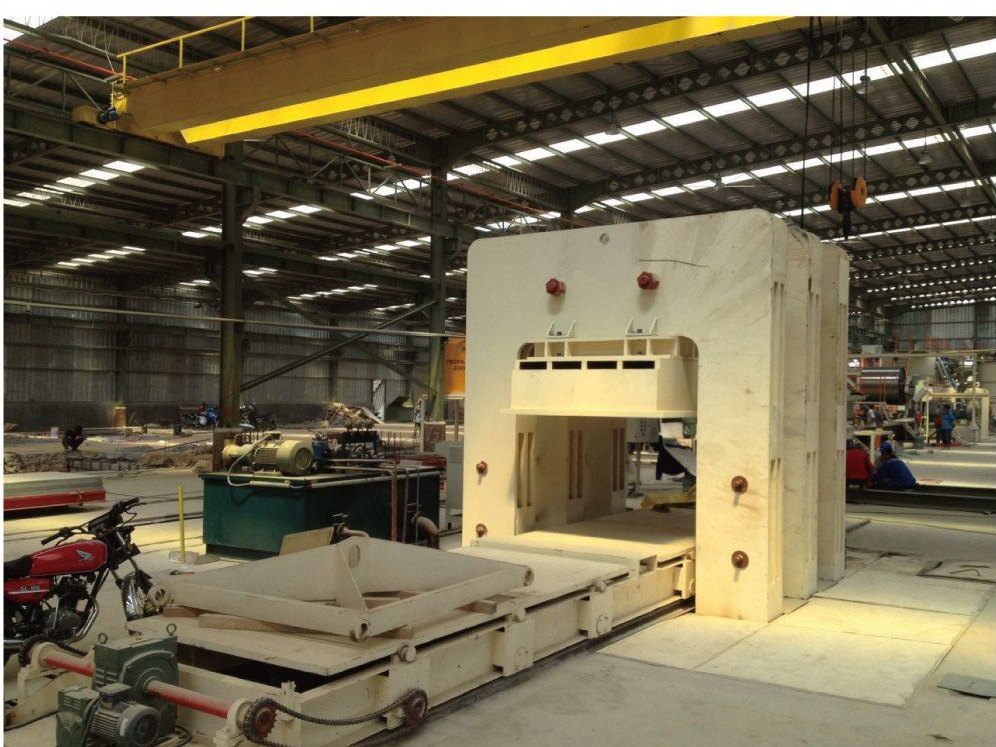
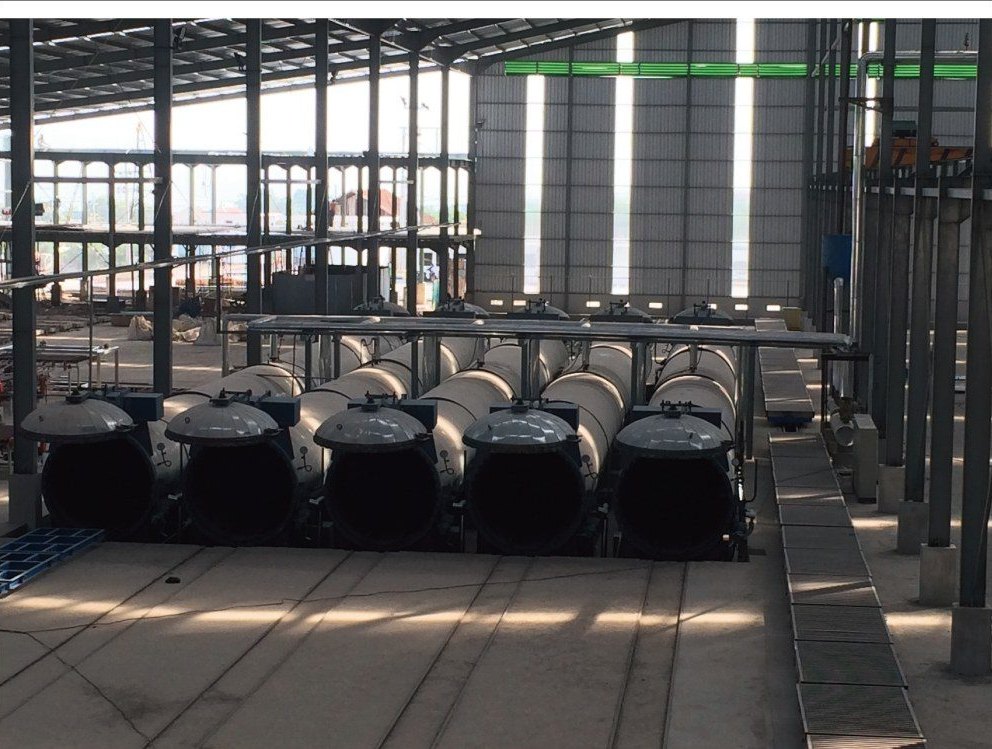
On a press, what is checked is what keeps a person from ending up under the platen: guards, interlocks, emergency stop, holding of the platen and isolation of energy before repair, including pressure in the hydraulics. On an autoclave, it is what keeps the lid from being opened under pressure: the quick-opening lid interlock, safety valves, pressure gauges, passport and inspection. In Uzbekistan the autoclave falls under the technical regulation of Cabinet Resolution No. 493.
In short
7minutes to read
5sections
5sources
4catalog items
In this article
A slate plant has two machines on which a mistake costs the most: the hydraulic press for stacks and the autoclave. On the press the main danger is a person between the platens or under a raised platen. So what is checked is the guards and their interlocks, the emergency stop, what holds the platen during repair, and the procedure for isolating all kinds of energy, including pressure left in the hydraulics. On the autoclave the main danger is opening the lid while there is pressure inside, or getting pressure above the design value. So what is checked is the interlock of the quick-opening lid, the safety valves, the pressure gauges, the vessel passport and the inspection dates. In Uzbekistan the autoclave, as a pressure vessel, falls under the technical regulation approved by Cabinet of Ministers Resolution No. 493 of 04.08.2025; in Kazakhstan and Kyrgyzstan, under the Customs Union technical regulation TR CU 032/2013.
What the owner and the chief mechanic should decide
- Who is responsible. For the autoclave and boiler, a designated responsible person; which responsible persons are mandatory is set by the safe operation rules established by the authorized body. For the press, the section mechanic. Names go in an order, not "everyone a little".
- Where the documents are. The autoclave passport, the manufacturer's safe operation instruction, inspection records, the energy isolation instruction for the press. If something is missing, that is the first thing to request from the manufacturer.
- Interlocks are not bypassed. A jumper on the door limit switch, a tied-down valve, a guard removed "for one shift" are not repairs but causes of accidents. A faulty interlock is a reason to stop the machine.
- Purchase. When ordering a press or an autoclave, before paying, check which protective devices and which documents come with the delivery.
Press: what is checked
Guards and interlocks
The zone where the platen moves over the stack must be closed or protected so that a person cannot get into it during the cycle. These are guards interlocked with the controls: open the door and the movement stops and does not start while the door is open. Many presses also use light curtains and two-hand control. The occupational safety rules of different countries agree on the principle: the danger zone of a machine is closed by a guard or by devices that keep the body out of it during operation, and the guard itself must not create a new hazard.
Emergency stop
Emergency stop buttons are at the operator station and at accessible places around the press. They are tested by pressing on a schedule, not only when they are needed.
Holding the platen
A raised platen is held by the hydraulics. If a seal, valve or hose fails, it can come down. So work under a raised platen is allowed only with mechanical stops (props) rated for its weight. The holding valve of the cylinder and its condition are checked at every scheduled repair. Leaks along the cylinder are not only a loss of oil but a sign that the platen may "creep". For more on leaks and seals, see the article on hydraulic cylinder seals of the press.
Isolating energy before repair
Before work inside the press, all sources of energy are switched off and locked: the electric drive of the pump, the hydraulics, the pneumatics if present. A switched-off pump does not mean "no pressure": pressure can remain in the cylinders and the accumulator. The procedure is simple and mandatory:
- Stop the machine, lower the platen onto the stops or to the lowest position.
- Switch off and lock the main switch, hang a tag.
- Release the pressure in the hydraulic system and the accumulator, make sure on the gauge that there is no pressure.
- Check that the machine does not start.
- After the work, remove the stops, put the guards back, and only then remove the lock.
This procedure is written into the section instruction. The safety valve of the hydraulic station is sealed: its setting must not be raised to "get more force".
Autoclave: what is checked
Interlock of the quick-opening lid
The regulation of Resolution No. 493 requires equipment with quick-opening lids to have protective devices: pressure cannot be applied while the lid is not fully closed, and the lid cannot be opened while pressure remains inside. Before every opening, the pressure is released to zero and checked on the gauge and the control device. The seal and the mechanism of the lid are wear parts, and their condition is checked every cycle.
Safety valves
If the pressure in a vessel can exceed the permitted value, it must have safety devices. Under the regulation, a valve is sealed after setting, shutoff valves between the vessel and the safety valve are, as a rule, not fitted, and spring and lever valves have a device for forced opening to test their operation. The number and capacity of the valves are set by calculation and shown in the passport.
Pressure gauges
A direct-acting pressure gauge on the vessel is mandatory, and its accuracy class depends on the pressure. The design must allow the gauge to be blown through, checked and isolated safely. A gauge that has "stuck" or shows zero under pressure is a reason to stop work.
Passport and inspection
The passport is the vessel's main document for its whole service life; it is issued by the manufacturer. The instruction for safe use must describe operation, maintenance, periodic diagnostics and tests, and actions in an accident. The result of the technical inspection and the date of the next one are entered in the passport. The safe operation rules are established by the authorized state body, the Committee for Industrial, Radiation and Nuclear Safety. The procedure for registration, expert review and admission of personnel is clarified there or at an expert organization: the regulation does not spell it out.
Steam and condensate
The steam traps and drainage of the autoclave work so that water does not collect in the vessel. Steam after the cycle is released as the instruction says, not through a slightly open lid.
Kazakhstan and Kyrgyzstan
Both countries are in the EAEU, and for pressure vessels TR CU 032/2013 "On the safety of equipment operating under excess pressure" applies there (in force since 01.02.2014). It also requires safety devices where they are needed given the purpose of the equipment. The procedure for operation, registration and supervision is national; it is clarified with the industrial safety body of the country.
How we do it
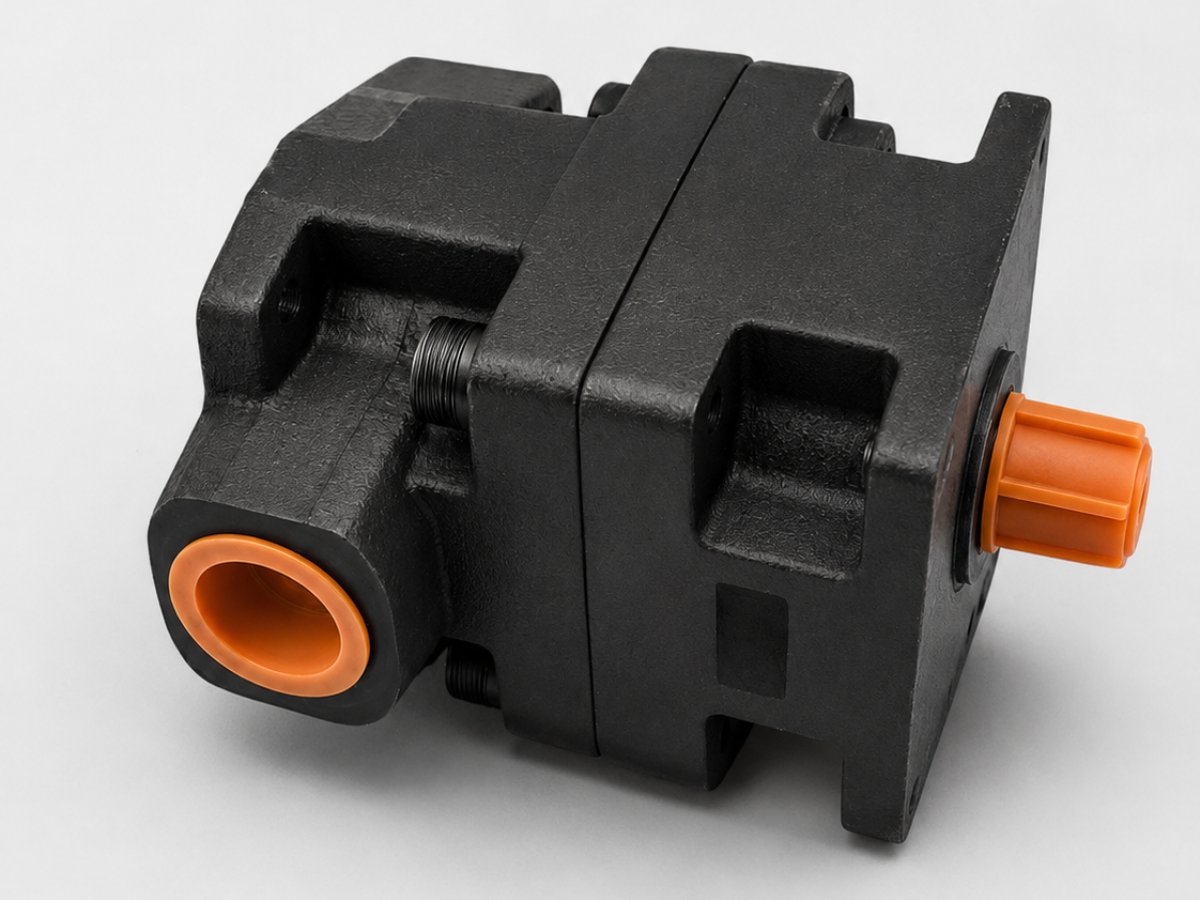
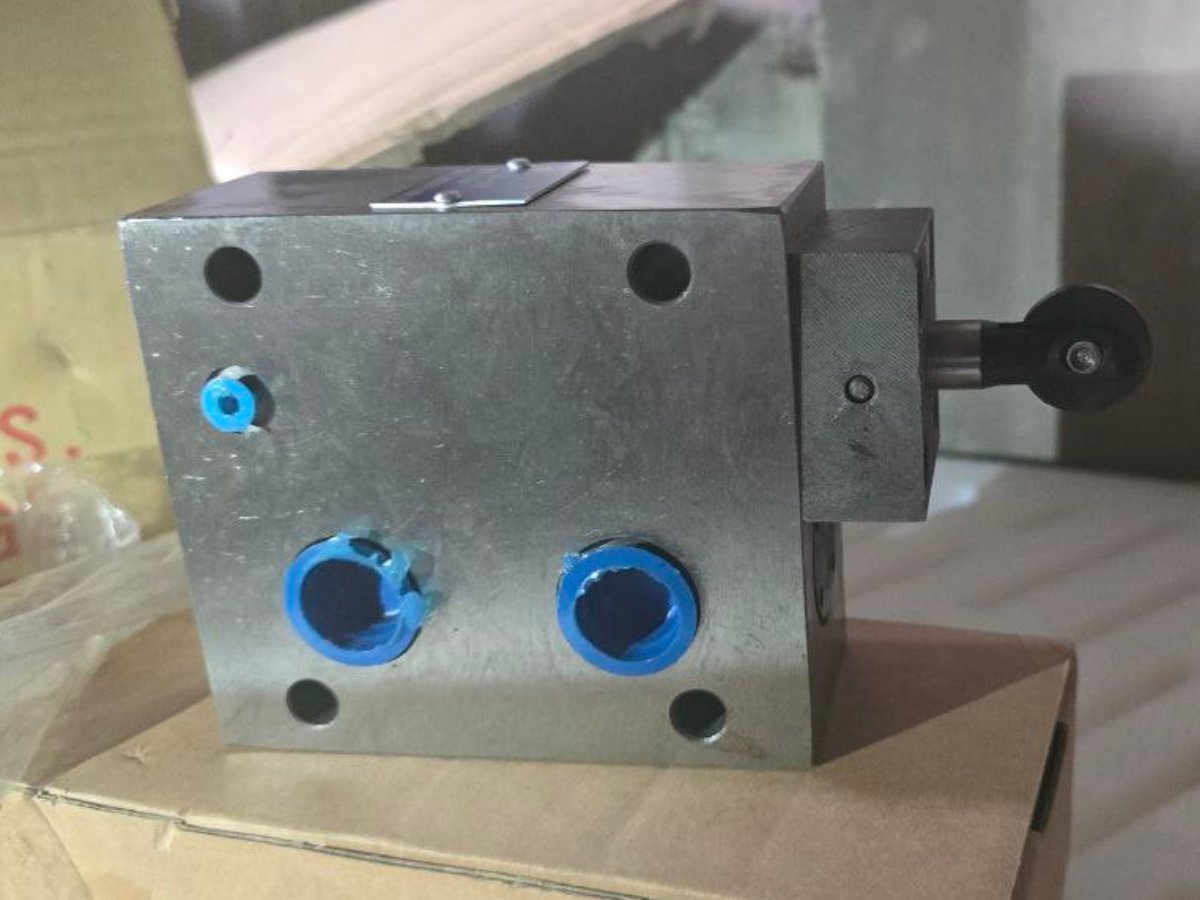
- From the photo, dimensions and passport of the unit, we look for the item at the manufacturing plant: hydraulic station valves, seals, pumps, cylinders. What we find, with the price, photos and specifications, we send before the order.
- Where the answer must come from the plant, we ask it and pass on its word.
- We inspect the lot at the plant before shipment: part number, dimensions, lot, packaging.
This is not legal advice: the requirements for your equipment are confirmed by an industrial safety specialist.
What this article relies on
Below are the documents and materials we refer to, so that you can check what is said for yourself.
Standards and documents
- Resolution of the Cabinet of Ministers of the Republic of Uzbekistan No. 493 of 04.08.2025 "On approval of the Technical Regulation on the safety of equipment operating under excess pressure": clause 2 (scope), clause 29 (quick-opening lids), clauses 62–76 (safety devices, including sealing and forced opening), clauses 103–108 (pressure gauges), clauses 128–131 (inspection, entry in the passport), clauses 135–139 (passport), clauses 143–144 (instruction and operating rules)text ↗
- Decision of the EEC Council No. 41 of 02.07.2013, TR CU 032/2013 "On the safety of equipment operating under excess pressure": scope, safety devices, entry into forcetext ↗
- OSHA, 29 CFR 1910.147 "The control of hazardous energy (lockout/tagout)": isolating and locking energy, release of stored energy, verification of isolationtext ↗
- OSHA, 29 CFR 1910.212 "General requirements for all machines": guarding the danger zone, types of protection, a guard creates no new hazardtext ↗
Reference materials
- WorkSafe New Zealand, "Power presses": interlocked guards and light curtains, features of hydraulic pressesworksafe.govt.nz ↗
The text of Resolution No. 493 on lex.uz was opened in the state language; the summary is ours, not an official translation. OSHA and WorkSafe are the rules of the USA and New Zealand, given as an example of the principle, not as requirements for your countries. Checked against the version of 22.10.2026.