Whom to train and in what when starting a slate line
When a line is started, five groups are trained: operators of the forming machine and adjacent stages, the technologist, the mechanic, the electrician and the laboratory technician. Each needs its own training, on the line and on paper. Training is written into the contract with the manufacturer: whom, in what, when, in what language, and how it is checked that people have learned.
In short
4minutes to read
5sections
5sources
4catalog items
In this article
A new line is started up by the manufacturer's engineers, but your people will work on it. When the engineers leave, everything the shifts have not learned turns into downtime and rejects. So training is not a courtesy of the manufacturer but a clause of the contract: whom to train, in what, in which stages, in what language, what materials stay with you and how it is checked that people have learned. Below is what each group needs.
Whom to train and in what
Forming machine operators
Starting and stopping the machine in the right order, working with the operator panel, setting thickness and format, monitoring the layer and thickness, washing the felt and screens, actions at an emergency stop. Separately: what to do with the slurry if the line has stopped for a long time.
Operators of adjacent stages
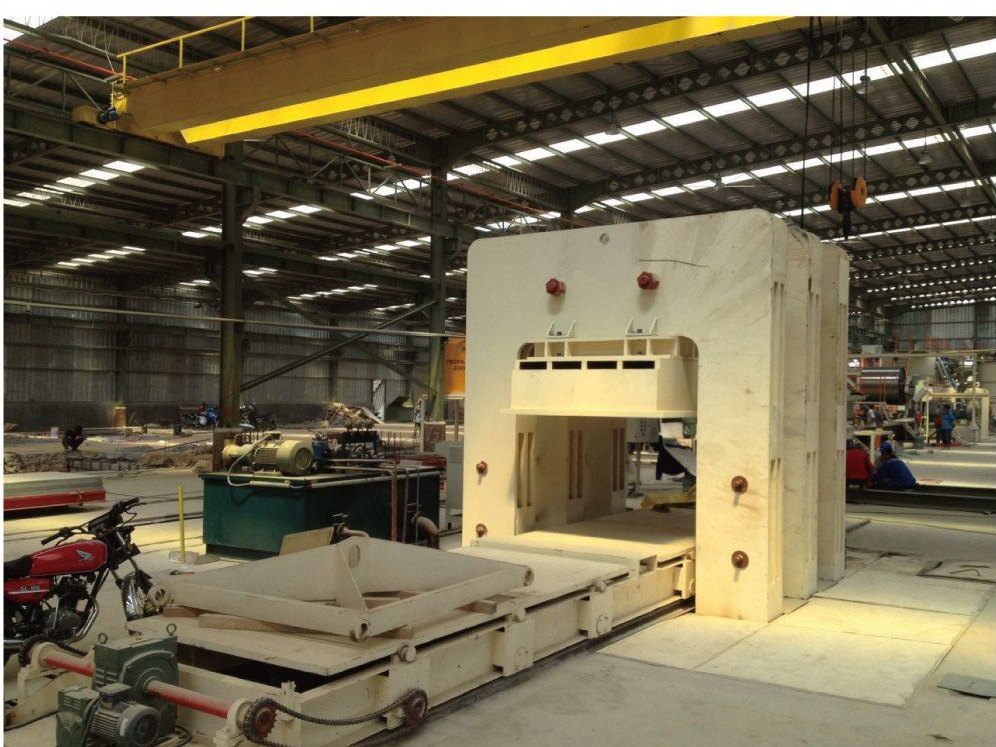
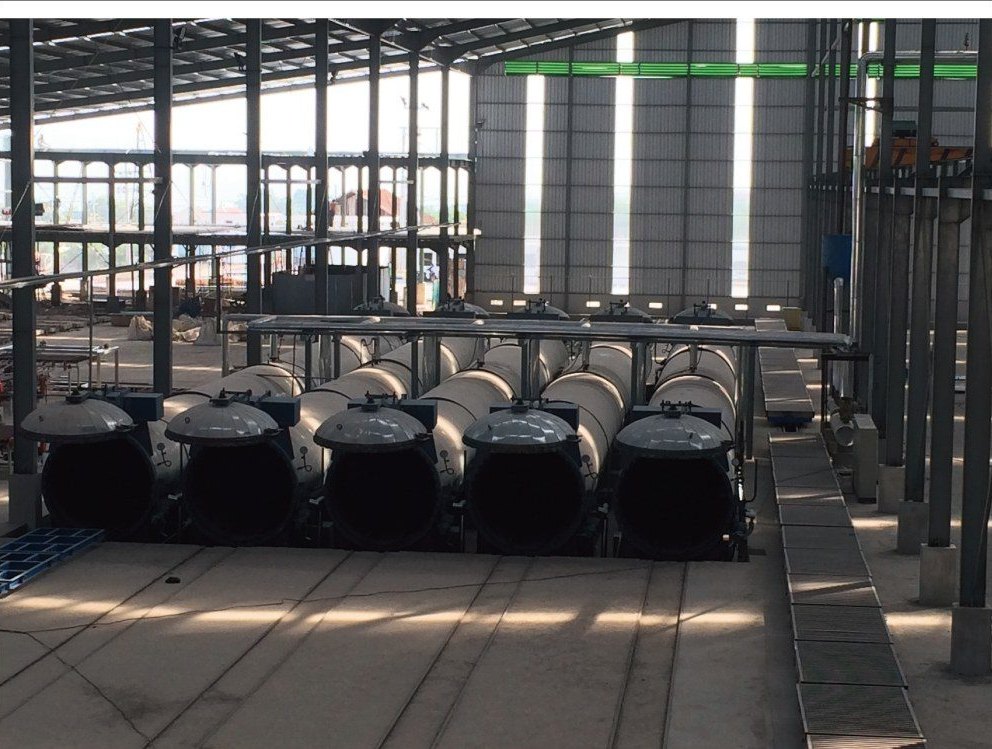
Slurry preparation and dosing, press, cutting, stacker, demoulding, curing chambers, autoclave and boiler. Only people trained and admitted under the norms of your country are allowed to the autoclave and boiler; this is separate training with its own requirements.
Technologist
The slurry recipe and order of dosing, how the slurry depends on raw materials and water, curing modes, the link between rejects and causes, keeping the process regulations. The technologist must understand why the mode is exactly this, not just which numbers to set.
Mechanic
The design of the units, lubrication, changing the felt and screens, alignment of shafts, maintenance of the press and hydraulic power unit, bearings and seals with their numbers, the repair plan. Separately: how to remove and fit heavy units by crane.
Electrician and automation technician
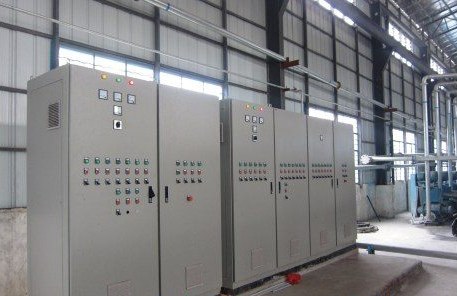
Electrical diagrams, controllers and panels, sensors and the thickness gauge, frequency converters, protection and emergency circuits, how to read alarm messages. How to obtain and save a copy of the controller programs.
Laboratory technician
Taking samples, testing the sheet to the standard the plant works to, checks of raw materials and slurry, keeping the log. From the laboratory the technologist gets the data for tuning.
What to put on paper
- Instructions for operators for each stage: short, in the shifts' language, with the order of starting, stopping and emergency actions.
- The manufacturer's passports and instructions for each machine.
- Electrical and hydraulic diagrams, a spare parts list with numbers.
- Process regulations.
- Lesson materials, so that new people can be trained after the engineers leave.
Good practice is when your people take part in drawing up the start and stop instructions together with the manufacturer's engineers. Such instructions are then actually read.
How to write training into the contract
- Whom and how many. The groups and the number of people in each.
- Stages. Before start-up, design and documents; during start-up, working next to the engineers on the line; after start-up, before signing the acceptance act, independent work under their supervision. You can add a repeat session in the warranty period, when the shifts have accumulated questions.
- Language. In what language the lessons and materials are, who interprets.
- Program. The manufacturer prepares the training plan in advance, and you approve it.
- Checking. How it is confirmed that people have learned: independent start and stop, changing the felt, actions on an alarm signal, in the presence of the manufacturer's engineer, with a note in the protocol.
- Materials. What stays with you after the training.
Engineering layer: how to organize it at the plant
- Appoint a person responsible for training, usually the chief engineer or the technologist.
- Put into training those who will stay to work, not those who are free that day.
- Keep a list: who is trained in what and who is admitted to what. Newcomers are admitted to a machine after training and checking.
- Place the mechanic and the electrician next to the installers already during installation: this way they see the units from inside, not only from outside.
How we do it
- Supervised installation and start-up are done by the manufacturing plant. We organize the trip of its engineers, translation and access to the site.
- Where the answer must come from the plant (training program, make-up of the documentation), we ask it and pass on its words.
What this article relies on
Below are the documents and materials we refer to, so that you can check what is said for yourself.
Standards and documents
- Mercy Corps, Attachment H to the request for proposals "Training, Operation and Maintenance": training of operating staff in three stages: before start-up, during start-up, and after start-up until acceptance, with the training plan submitted to the customer for approvaltext ↗
- Kentucky PSC, Exhibit U "Training" to an EPC contract: training in classes and on the line together with the start-up crew, participation of the customer's staff in drawing up instructions, admission after completing the coursetext ↗
- City of Winnipeg, specification section 01664 "Training": training during start-up and repeat training in the warranty periodtext ↗
Reference materials
- Law Insider, "Operator training": sample contract terms on operator training: showing inspection points on the equipment, safe start and stop, operation of the controlslawinsider.com ↗
- Rybyev I. A. "Building Materials Science" (Строительное материаловедение), section "Fundamentals of asbestos-cement product manufacturing": production stages on which the make-up of the trained groups dependsstudme.org ↗
The examples of training terms are taken from contracts and specifications of other industries (power, water supply); for a slate line their content is transferred to its own process stages.