Which spare parts to keep in stock so the line does not stop
Keep in stock what fails suddenly, stops the whole line and cannot be found in Uzbekistan: bearings for critical units, controllers and modules, sensors, forming fabrics, knives, seals. What is sold locally or has a standby on the line can be ordered as needed.
Updated
Contents
What is worth keeping in stock is whatever answers "yes" to three questions. Does the failure of this unit stop the line? Does it fail suddenly, without warning? Can it not be bought quickly in Uzbekistan? If all three answers are "yes", the part should be on your shelf. These are usually bearings for critical units, controllers and their modules, sensors, forming fabrics and screens, knives, seals. What is sold in town, has a standby on the line or wears out predictably can be ordered on a schedule.
What a ZIP is
ZIP is the Russian abbreviation for spare parts, tools and accessories, in English a spares kit. It is the set kept for a specific piece of equipment so that you do not wait for delivery at every breakdown. Sometimes the plant supplies the first ZIP together with the line. Its contents are worth reading in advance: sometimes it holds consumables for the first period, not what would stop the line.
Stock costs money: the money sits on a shelf. Downtime also costs money. The task of a ZIP is to keep exactly what a long downtime would otherwise come from.
Three questions for each unit
Go through the line machine by machine. For each unit, answer:
- Would its failure stop the line? If the line has a standby pump, or a second machine can be switched in to bypass it, the unit is less critical.
- Does it warn before failing? A fabric wears visibly, and its replacement is planned. A controller or sensor fails at once.
- Where can you get it and how fast? A standard general-purpose motor may be found at dealers in town. A fabric cut to the width of your machine, or a module of a discontinued controller, cannot: they are made or searched for to order, and then shipped from China.
A unit with three "yes" goes into the ZIP without question. With two, at the chief mechanic's decision. With one, order as needed.
Table: unit, how many to keep, where to get it
The quantity here is a principle, not a norm. The exact number depends on how many identical units are on the line and how often they have failed for you.
| Unit | Why keep it | How many to keep | Where to get it |
|---|---|---|---|
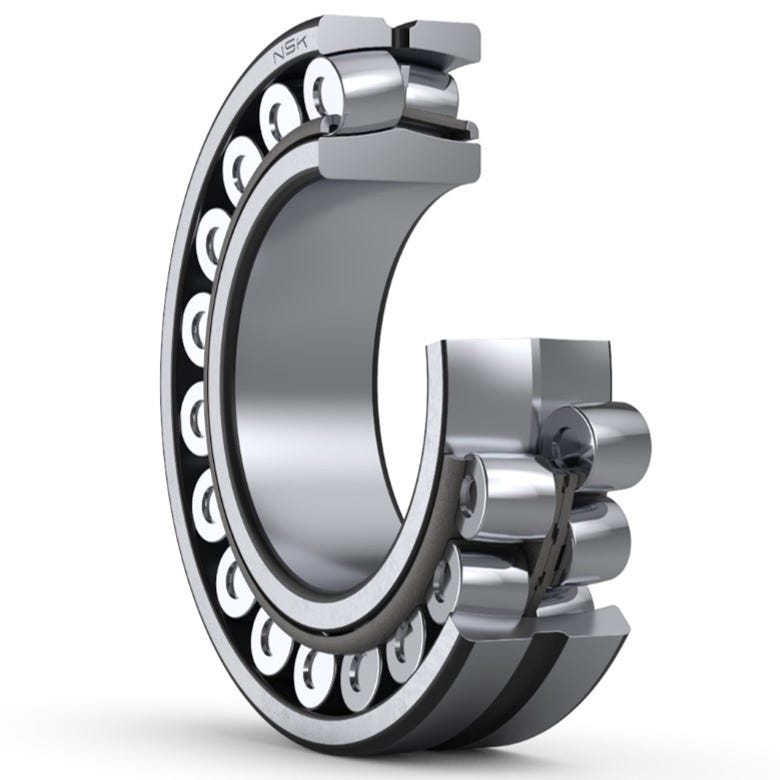
| Bearings for critical units (forming machine shafts, gearboxes, fans) | failure is sudden and the line stops; large sizes are not always available in town | at least one of each size for the critical units | from the manufacturer or its distributor; by number |
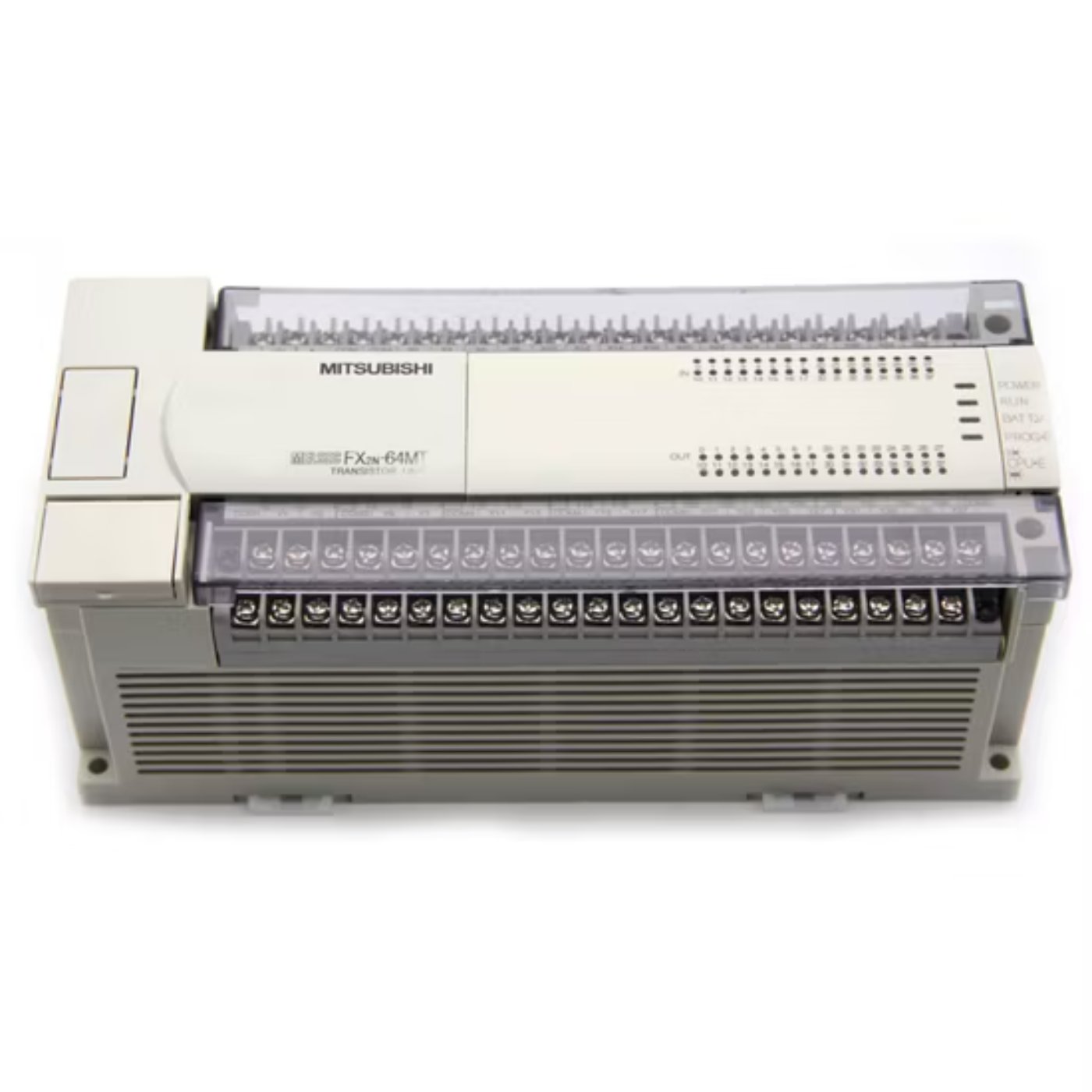
| Controller, I/O modules, operator panel | failure is immediate; old series are discontinued | a unit or module for each model not on sale; a copy of the program | from the manufacturer if the series is still made; otherwise the successor and a program transfer |
| Sensors, limit switches, relays, contactors | small, cheap, fail at once | one of each type | from the brand's distributors; some in town |
| Forming fabrics and screens | the line does not run without them; made to the machine's width | a replacement set plus a reserve for the delivery period | from the manufacturer, to your size |
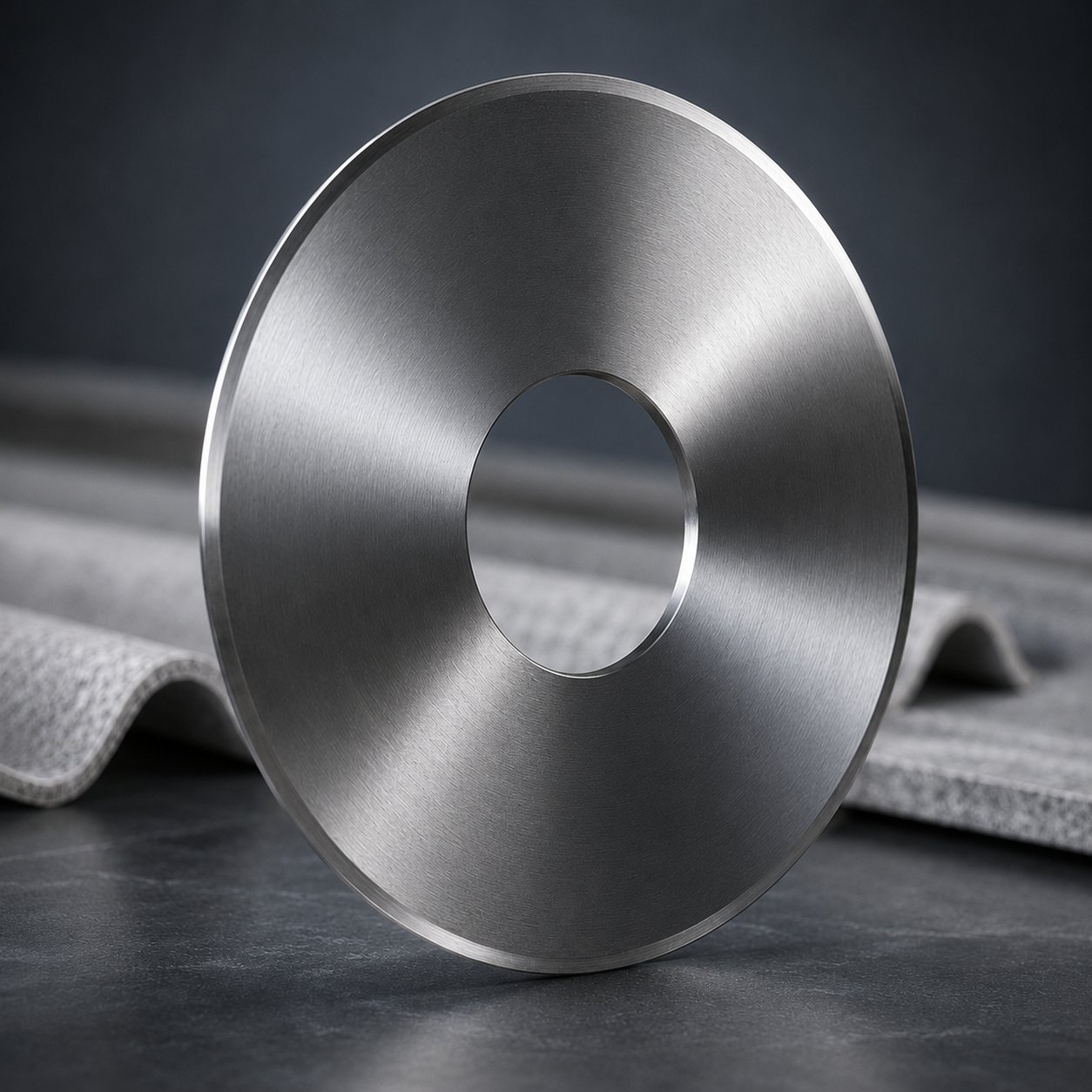
| Knives (disc, toothed) | they blunt and break; the size is for your machine | a replacement set | from the manufacturer, to a drawing or sample |
| Seals, gaskets, belts | they wear out, and a leak or slipping stops the unit | a set for each unit | partly in town; rare sizes from the manufacturer |
| Electric motors | usually repairable; common ones are at dealers | rare versions and ratings, one each | from the manufacturer; common ones in town |
| Oils, lubricants, filters | consumption is predictable | per the maintenance schedule | from local suppliers |
Where to get the data
The best source is your own failure history. What broke, when, why, how long the line stood. If there is no such record, start keeping one now: date, machine, unit, cause, downtime, what was installed in its place.
Industrial reliability record systems are built the same way. The international standard ISO 14224 describes how to collect data on the reliability and maintenance of equipment: information about the equipment itself, failures and repairs in a uniform format. The standard was written for the oil and gas industry, but the principle suits any workshop: without a record of failures, a ZIP is compiled from memory.
After a year such a log shows which units fail most often and what waiting for them costs. The ZIP list is reviewed against it.
How to store
- Keep bearings in the plant packaging, in a dry place, unopened until installation.
- Fabrics and screens: dry, without folds, away from the sun, as stated in the passport.
- Rubber seals and belts age over time even on the shelf. Check the shelf life in the passport and use the oldest first.
- Electronics in antistatic packaging, with a note: which machine it is from, which version.
- Keep a copy of the controller program in two places, not only on the commissioning engineer's laptop.
How not to let the stock run out
A ZIP works as long as it is replenished. If you took a part off the shelf, order a replacement at once, without waiting for the next breakdown. It is convenient to set a minimum level for each item: when it drops below, order.
It is better to put the replenishment order together in one table for several items: it is easier to count and to ship. How to build it is covered in the article on the spare parts request.
How we do it
- We look for ZIP items at the manufacturing plant by number, drawing or photo of the unit. What we find, with the price and photographs, we send before the order.
- Your "yes" on each line of what we found is the order.
- We inspect the lot at the plant before shipment: part number, dimensions, lot, packaging.
What this article relies on
Below are the documents and materials we refer to, so that you can check what is said for yourself.
Standards and documents
- ISO 14224:2016 "Petroleum, petrochemical and natural gas industries — Collection and exchange of reliability and maintenance data for equipment", description on the website of the Swedish Institute for Standards (SIS)text ↗
The rest is based on spare parts sourcing practice and the taminota.com catalog. The ISO standard is paid; only the description of its scope was used.