Sheet breaks on impact and laying: why the strength is low
Four things set the bending and impact strength of a sheet: the fibre (how much there is and how it was opened or refined), the cement, the compaction of the layers and the curing. To find out which of them failed, compare the density and strength of the sheet with the norm and look at the fracture: a loose fracture means slurry and compaction, a dense but brittle one means fibre and curing mode.
In short
5minutes to read
6sections
6sources
4catalog items
In this article
- 01What the standard requires
- 02What strength depends on
- 03Slurry defect or mode defect
- 04Which tests to run
- 05What to check on the line
Contents
A sheet breaks during laying if its bending strength or impact strength is low. Both depend on four things: the fibre (how much of it is in the slurry and how it was prepared), the cement, the compaction of the layers and the curing. The cause is sought in two steps. First test the sheets under GOST and compare density, strength and impact strength with the norm. Then look at the fracture. If the sheet is light and loose, the slurry or the compaction is to blame. If it is dense but brittle, the fibre or the curing mode is.
What the standard requires
GOST 30340-2012 sets minimum values for corrugated sheets of:
- bending strength;
- impact strength;
- density;
- the load the sheet withstands in a test with a die or a bar.
Flat sheets have their own figures, in GOST 18124-2012. In it, pressed sheets must be noticeably stronger and denser than unpressed ones. This shows well how much compaction adds.
The plant checks load and density in every lot, and bending strength and impact strength periodically, at least as often as the standard sets. If sheets began to break at the buyers, the first thing to do is pull these logs.
What strength depends on
Fibre
The fibre is the reinforcement of the sheet. It holds the sheet in bending and keeps a crack from running right through on impact.
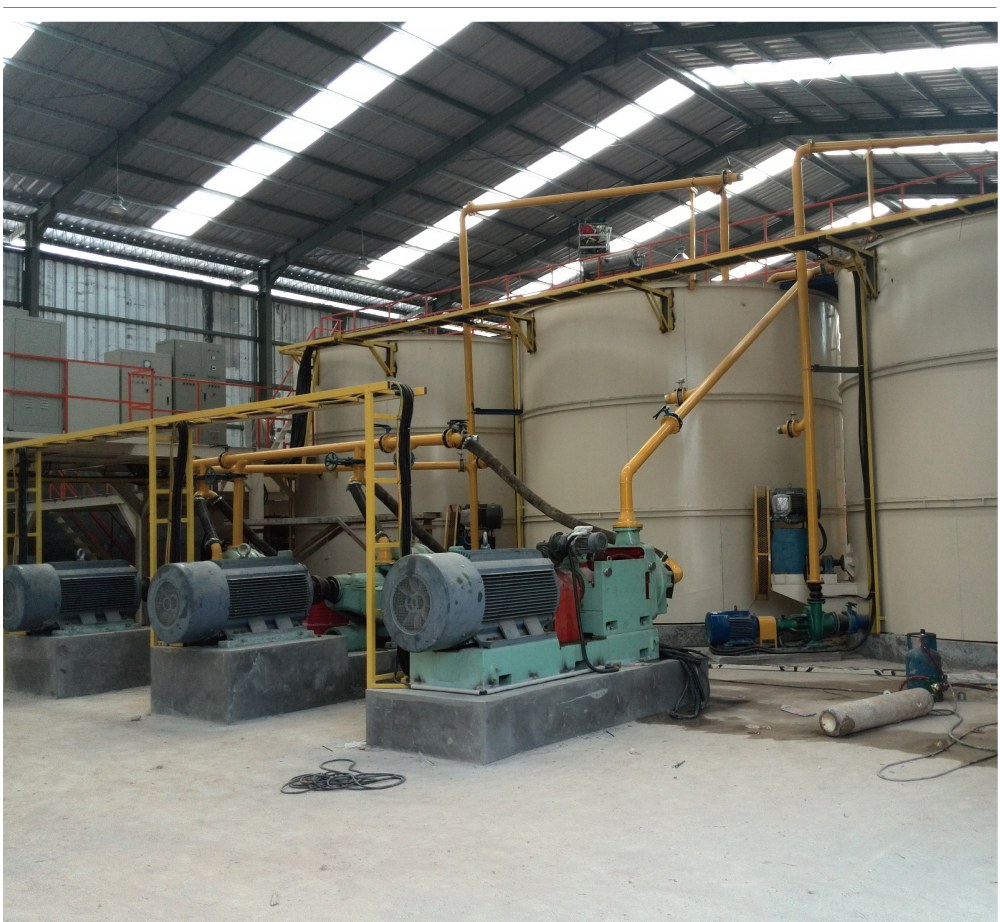
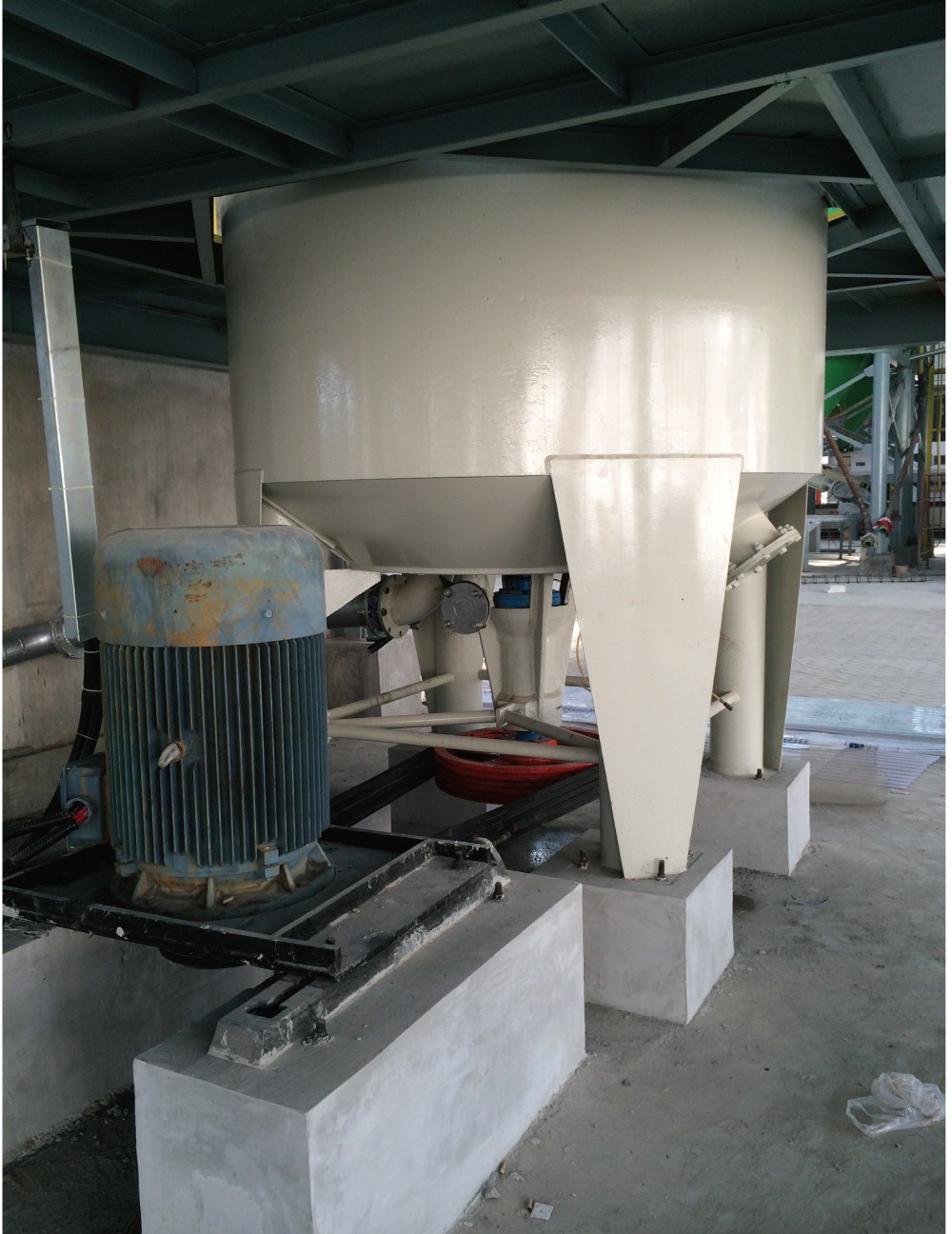
- Chrysotile. Textbooks on asbestos cement stress that opening the asbestos on the edge runners and in the Hollander beater largely determines the quality of the product. Poorly opened fibre stays in bundles and reinforces the sheet worse. Over-opened fibre gets shortened. The blend of asbestos of different grades is chosen according to the process card.
- Cellulose and synthetic fibre in fibre cement. Cellulose is refined to a set degree. The gap between the refiner discs determines how the fibre is treated. Synthetic fibre must resist the alkali of the cement paste. In a study of corrugated sheets, PET fibre in cement mortar quickly lost strength, while PVA fibre held up much better.
- Share of fibre. With too little fibre the sheet is brittle. The composition is set by the process engineer from the recipe.
Cement
The cement binds the fibre. If the cement is stale, of the wrong grade, or its share in the slurry has dropped, the sheet comes out weak and porous. Incoming inspection of cement is a separate topic.
Compaction
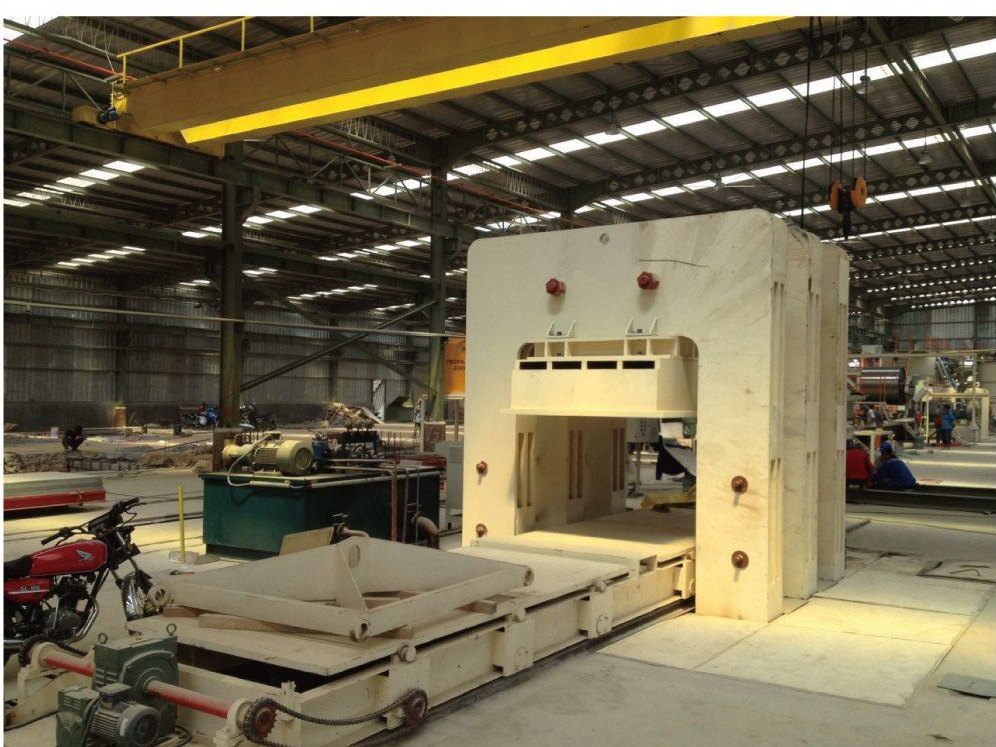
The denser the sheet, the stronger it is. Compaction takes place on the format drum between the rolls and, for pressed flat sheets, in the hydraulic press. A press that does not hold pressure because of worn seals or a worn pump immediately gives a light, porous sheet.
Curing
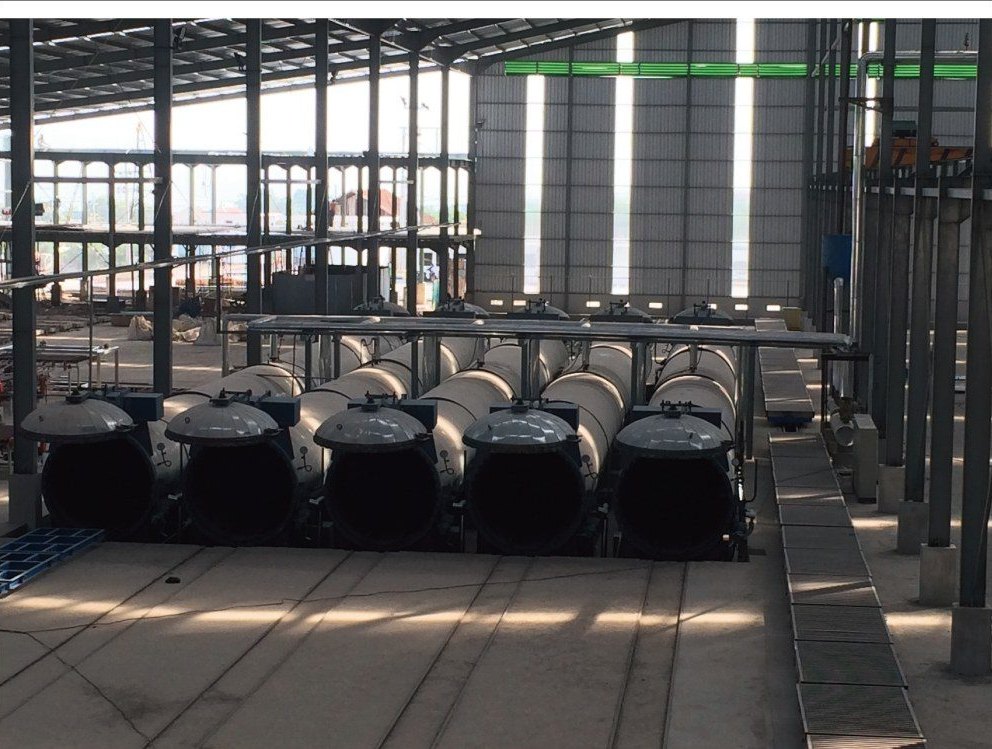
The sheet gains strength as the cement hardens. What matters is the temperature and moisture in the precuring chamber, the time before demolding, and on an autoclave line, the autoclave mode. A sheet that dried out at the start of curing does not reach its strength: the cement lacks water. The modes follow the process regulations of your line.
Slurry defect or mode defect
| Sign | Most likely |
|---|---|
| Density below the norm, loose, layered fracture | too little cement or fines in the slurry, weak compaction, delamination |
| Density normal, strength low, fracture smooth, "glassy" | too little fibre, poor opening or refining, fibre damaged |
| Strength normal in the test, but sheets break at the buyer | impacts during transport, storage, installation |
| Strength drops after winter | water absorption and frost resistance |
| Lots differ in strength although the recipe is the same | slurry concentration floats, curing, raw material from different deliveries |
Which tests to run
- Density, on specimens from several sheets of different stacks.
- Bending strength, by the method in GOST 30340-2012 or GOST 18124-2012. The test methods used to be in GOST 8747-88; for corrugated and flat sheets they were replaced by the methods in the new standards.
- Impact strength.
- Load with a die or bar on a whole corrugated sheet.
- Test after water saturation, which shows whether the sheet keeps its strength when wet.
It is useful to compare the defective sheets with sheets from a good shift. A difference in density will at once show where to look.
What to check on the line
- the log of opening and refining: time, gap, wear of knives and fittings;
- dosing of cement and fibre by shift;
- press pressure on the gauge, condition of the cylinders and seals;
- temperature and moisture in the precuring chamber, time before demolding;
- for an autoclave line, the record of the autoclave cycle.
If the cause is wear, of the beater knives, the refiner discs, the press seals, only then do you order parts.
How we do it
- From the photo, dimensions and the passport of the unit, we look for the item at the manufacturing plant. What we find, with the price, photos and specifications, we send before the order.
- We inspect the lot at the plant before shipment: part number, dimensions, lot, packaging.
What this article relies on
Below are the documents and materials we refer to, so that you can check what is said for yourself.
Standards and documents
- GOST 30340-2012 "Chrysotile-cement corrugated sheets. Specifications": strength, density and impact strength figures; acceptance and periodic teststext ↗
- GOST 18124-2012 "Chrysotile-cement flat sheets. Specifications": figures for pressed and unpressed sheetstext ↗
- GOST 8747-88 "Asbestos-cement sheet products. Test methods" (for sheets, replaced by the new standards)text ↗
Reference materials
- Rybyev I. A. "Building Materials Science" (Строительное материаловедение), section "Fundamentals of asbestos-cement product manufacturing": opening of asbestos and product quality, pressing, curingstudme.org ↗
- Fiorelli J. et al. "Durability of fibre-cement roofing corrugated sheets", CIB DC33112: resistance of PET and PVA fibre in cement mortarirbnet.de ↗
- taminota.com catalog: TMN-XHB-12, the gap between refining discs as a slurry quality parameter; TMN-XHB-02, the design of the press.
The curing and pressing modes of your line follow the process regulations.