Standalone machineXinhuibo
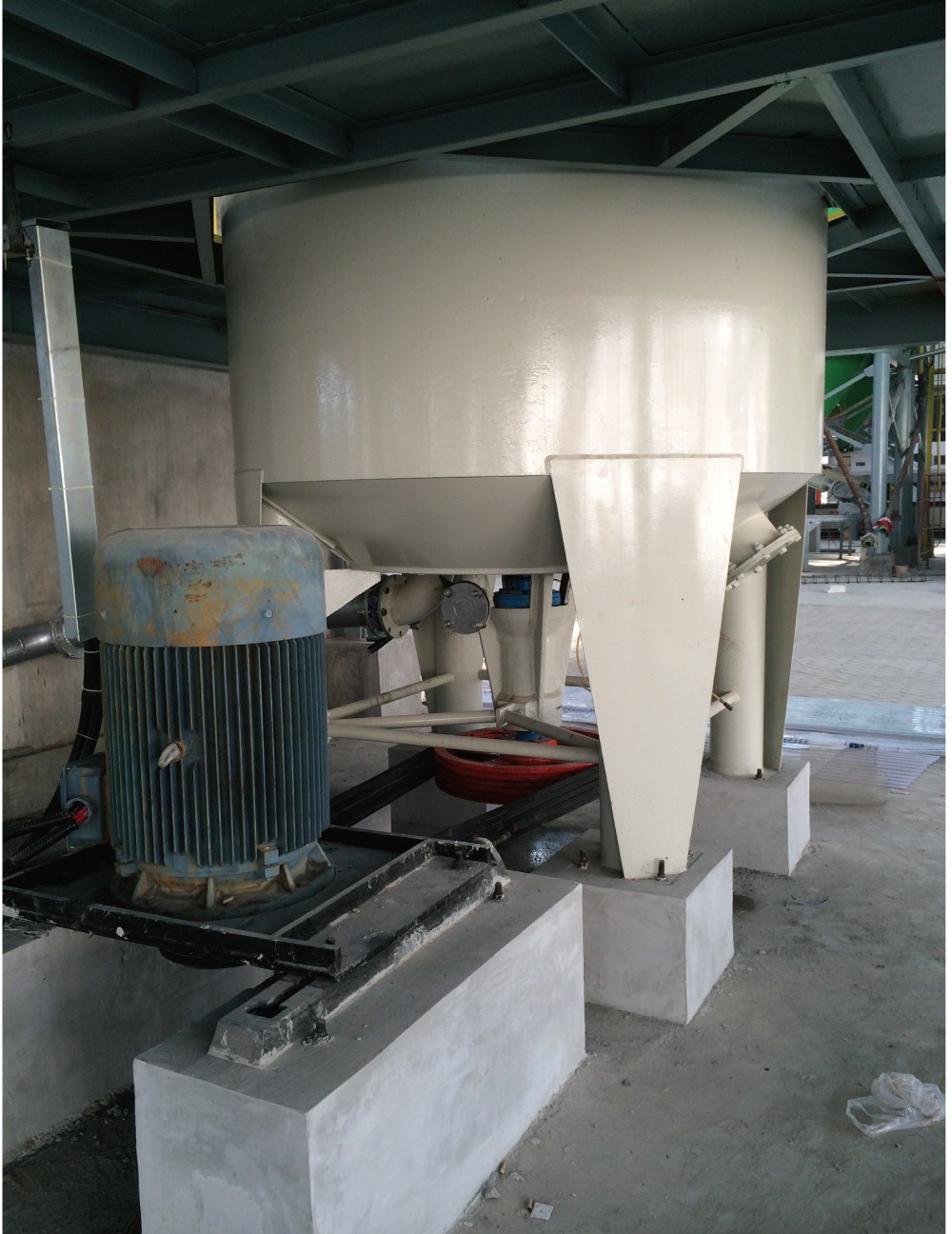
Pulp hydraulic pulper ZGS-3 … ZGS-35
Volume3–35m³
- TAMINOTA part number
- TMN-XHB-11
- Manufacturer part number
- ZGS-3 … ZGS-35
- Capacity
- 9–180 т/сут
- Stock consistency
- 15–18%
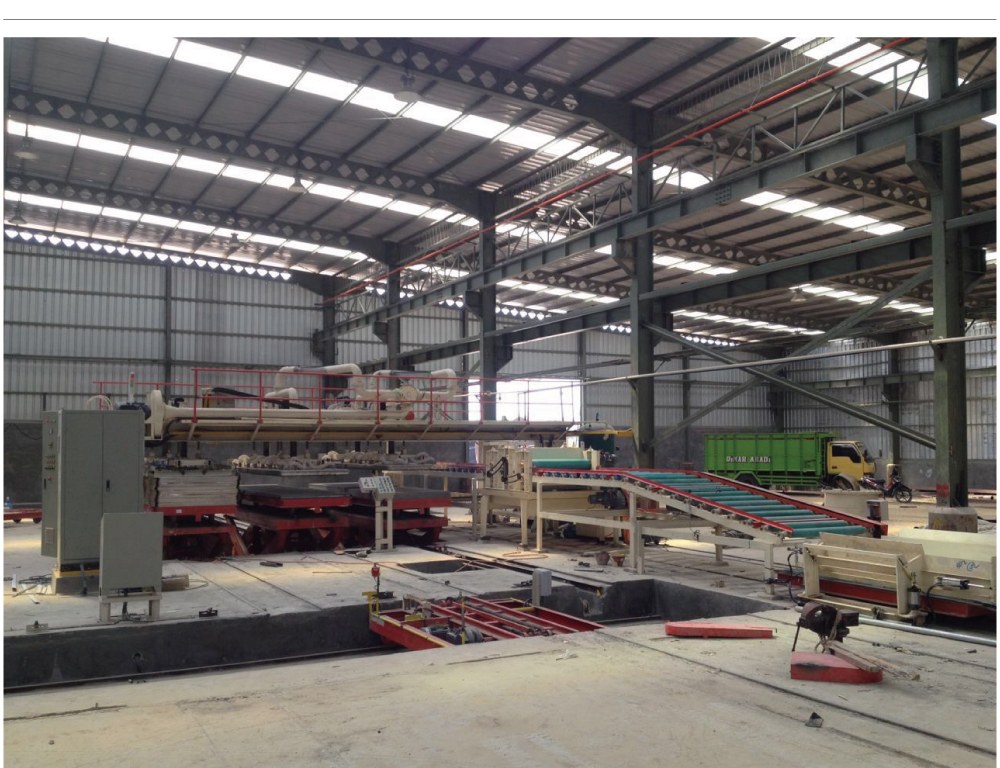
Pulping of cellulose and recovered paper into fiber. The drive shaft turns the bottom disc and the screw rotor; the stock moves down the screw surface, is thrown toward the wall and then rises again. The vortex circulation rubs recovered paper, board and market pulp between the blades of the disc and the screw vanes, breaking them down into fiber without cutting it. Plastic and film are separated by a coarse screen at the bottom of the tub. The model is selected to match the capacity of the line.
- Brand
- Xinhuibo
- Category
- Standalone machine
- Industry
- Asbestos and fiber cement · Corrugated board · Suits any industry
- Availability
- Project supply
What to send for selection
- 01Part number or the number on the nameplate
- 02Photos of the unit and its nameplate
- 03Model of the machine the unit is fitted to
- 04Quantity
Specifications
TMN-XHB-11
- Drive power
- 55–460 kW
How to get this item
- 01You send the part number or a nameplate photo
- 02You get the plant’s invoice and a lead time
- 03Inspection at the plant, delivery, documents
Related articles
- Pulper for cellulose: what wears out inside itIn a pulper the parts that wear are the rotor with its blades, the bottom screen plate, the knives or blade overlays, the shaft seal and the drive bearings under the tub. Poor pulping, lumps and undispersed flakes in the stock, rising vibration and water under the tub all mean the unit needs inspection.
- Sheet breaks on impact and laying: why the strength is lowFour things set the bending and impact strength of a sheet: the fibre (how much there is and how it was opened or refined), the cement, the compaction of the layers and the curing. To find out which of them failed, compare the density and strength of the sheet with the norm and look at the fracture: a loose fracture means slurry and compaction, a dense but brittle one means fibre and curing mode.
- A minimal slate plant laboratory: what it must haveA slate plant laboratory needs two parts. The first checks the finished sheet to GOST: a bending and load testing machine, a pendulum impact tester, a drying oven, scales with a hydrostatic weighing fixture, a freezer and measuring tools. The second watches the raw materials and the mass: cement, fibre opening or refining, concentration. Periodic tests can be given to an outside laboratory; acceptance tests are better done in house.
- EN 494 and ISO 10904: when you need them instead of GOSTEN 494 is the European standard for fibre-cement profiled sheets, ISO 10904:2011 the international one; ISO 9933 was withdrawn in 2011 and replaced by ISO 10904. Both describe asbestos-free sheets and test them differently from GOST: classes by profile height, breaking load and bending moment, and ageing tests. They are asked for in exports outside the CIS and in projects where the client works to European or international norms.
- Sludge and offcuts: return to the slurry or haul awayRaw offcuts and raw rejects go back into the slurry at once: they are broken down in the agitator and fed back to the bucket agitator. Sludge from the recuperator is returned too, but in a limited share: the cement in it has already begun to set. Hardened waste does not go into the slurry as is: it is either ground to a fine powder and added as filler, or hauled away under the rules of your country.
- Fibre cement facade boards: can a slate plant make themA facade board can be formed on the same Hatschek machine as slate. But a facade board is a different product: it needs a press, curing to the board's own recipe, precise cutting, often sanding, primer and a coating on the face, and to be sold under European requirements it needs EN 12467 tests for strength and resistance to water, frost and temperature swings. It is not "slate without the wave" but a separate process stage and a separate market.
- Cellulose, PVA and polypropylene in fibre cement: what each is forIn an asbestos-free sheet the fibres share the work. Cellulose holds cement particles on the screen while the layer builds up and reinforces the sheet, but before that it is pulped in water and refined. The synthetic fibres PVA and polypropylene reinforce the sheet, but they do not act as a filter and the ordinary grades do not survive an autoclave. Which fibre to use and how much is decided by the curing method and the line's process regulations.
Request
Send a part number or a photo — we will find the factory
Items from the catalog · 1
- TMN-XHB-11 · Pulp hydraulic pulper ZGS-3 … ZGS-35