Where a slate plant's electricity goes and how to cut it
Motors take most of the electricity at a slate plant: mills and edge runners, refiner, hydropulper, vacuum pumps, slurry and water pumps, compressor. Consumption is cut in three steps, not by one purchase: remove idle running and throttling, fit a frequency drive where the load varies, and when replacing a motor choose a suitable power and a high efficiency class. Reactive power compensation is a separate matter.
In short
5minutes to read
7sections
5sources
4catalog items
In this article
- 01What the owner and the chief power engineer should decide
- 02Who consumes
- 03Idle running and throttling
- 04Frequency drive
- 05Motor efficiency class
Contents
At a slate plant, electricity goes almost entirely into motors. The largest consumers are the machines that grind and break down raw material (edge runners, mills, refiner, hydropulper), the vacuum pumps of the forming machine, the slurry, sludge and recycled water pumps, the compressor, and on an autoclave line also the feed pumps and the draft fans of the boiler house. Consumption is cut in three steps, from cheap to expensive. First, remove idle running and throttling: motors that turn without doing work, and pumps that push full flow through a half-closed valve. Second, a frequency drive where the load varies. Third, when replacing a motor, choose a suitable power and a high efficiency class. Reactive power is a separate question: for a low power factor the utility may charge a surcharge.
What the owner and the chief power engineer should decide
- Measure first, buy later. Without measurements on the large motors it is unclear where the money goes. A clamp meter and a log are enough: current, running time, what the machine was doing at that moment.
- Where idle running occurs. Conveyors, agitators, pumps and fans that are not switched off during breaks and line stoppages. This is free saving: it takes discipline, not equipment.
- Where a frequency drive helps most. On centrifugal pumps and fans where flow is now controlled by a valve or damper.
- What to do when replacing a motor. Do not fit one twice as big "for a margin": an underloaded motor does worse on both efficiency and power factor.
- What to do about reactive power. Find out from the bill and the supply contract whether the power factor is metered, and check that the plant has a working capacitor bank.
Who consumes
| Section | Consumers | Nature of the load |
|---|---|---|
| Raw material preparation | edge runners, mills, hydropulper, refiner | heavy start, long running |
| Slurry preparation | agitators, slurry pumps | constant, often unregulated |
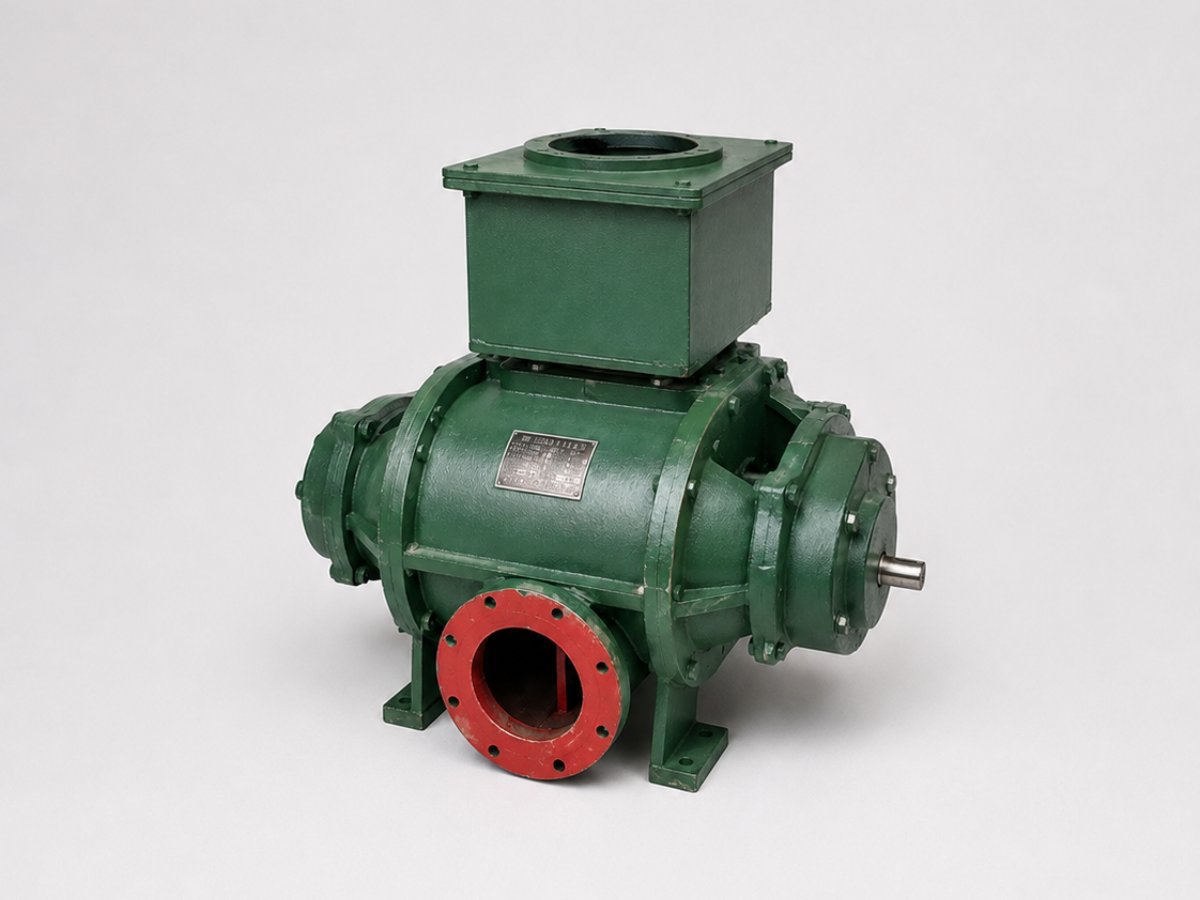
| Forming machine | main drive, vacuum pumps, recycled water pumps | constant, the whole working day |
| Press and handling | press hydraulic station, conveyors, stacker | cyclic, with pauses |
| Air | compressor | depends on leaks and pressure |
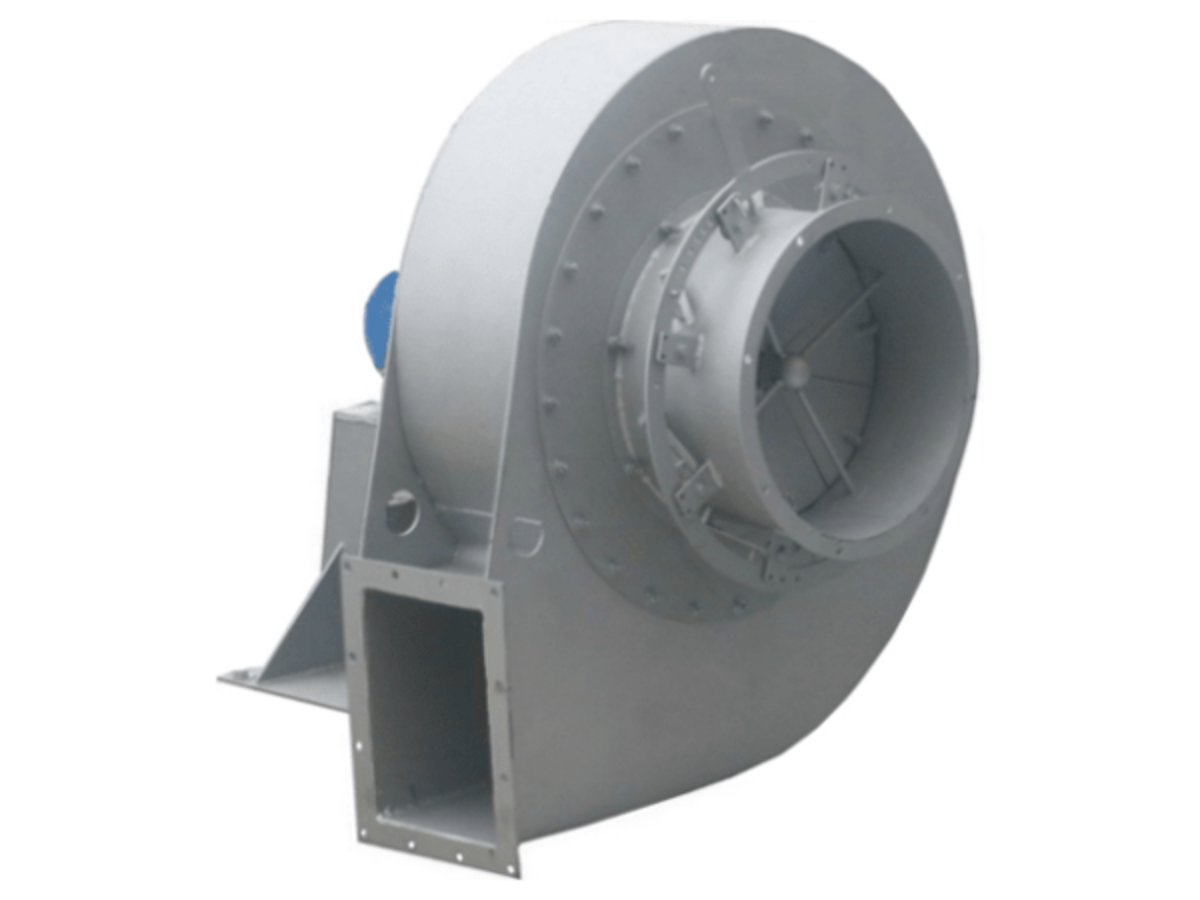
| Boiler house (if any) | feed pumps, forced and induced draft fans | varies with boiler load |
Idle running and throttling
A motor at idle still consumes. A pause between lots, lunch, waiting for raw material, and tens of kilowatts go into heat. The solution is organizational: who switches off which machines and when is written in the shift instruction.
Throttling is the second common source of loss. The pump runs at full speed, and the flow is reduced by a half-closed valve. The energy is spent overcoming the valve. The same goes for a fan and a damper. If the flow is permanently throttled, the pump was most likely chosen with a margin: sometimes it pays to trim the impeller or fit a smaller pump.
Frequency drive
For centrifugal pumps and fans without a large static head, the power consumed falls much faster than the speed: by the affinity laws it is proportional to the cube of the speed. So a small reduction in speed instead of closing a valve gives a noticeable saving. Where the pump has a large lift, the gain is smaller.
For constant-torque loads (conveyors, agitators, positive displacement pumps, screw and piston compressors) power changes in proportion to speed. A drive is useful here for soft starting and process control, but the saving is more modest.
To assess the gain honestly, you need to know how long the machine runs at each duty point, and the drive efficiency at part load: drive manufacturers provide it. How to match a drive to a motor is covered in a separate article.
Motor efficiency class
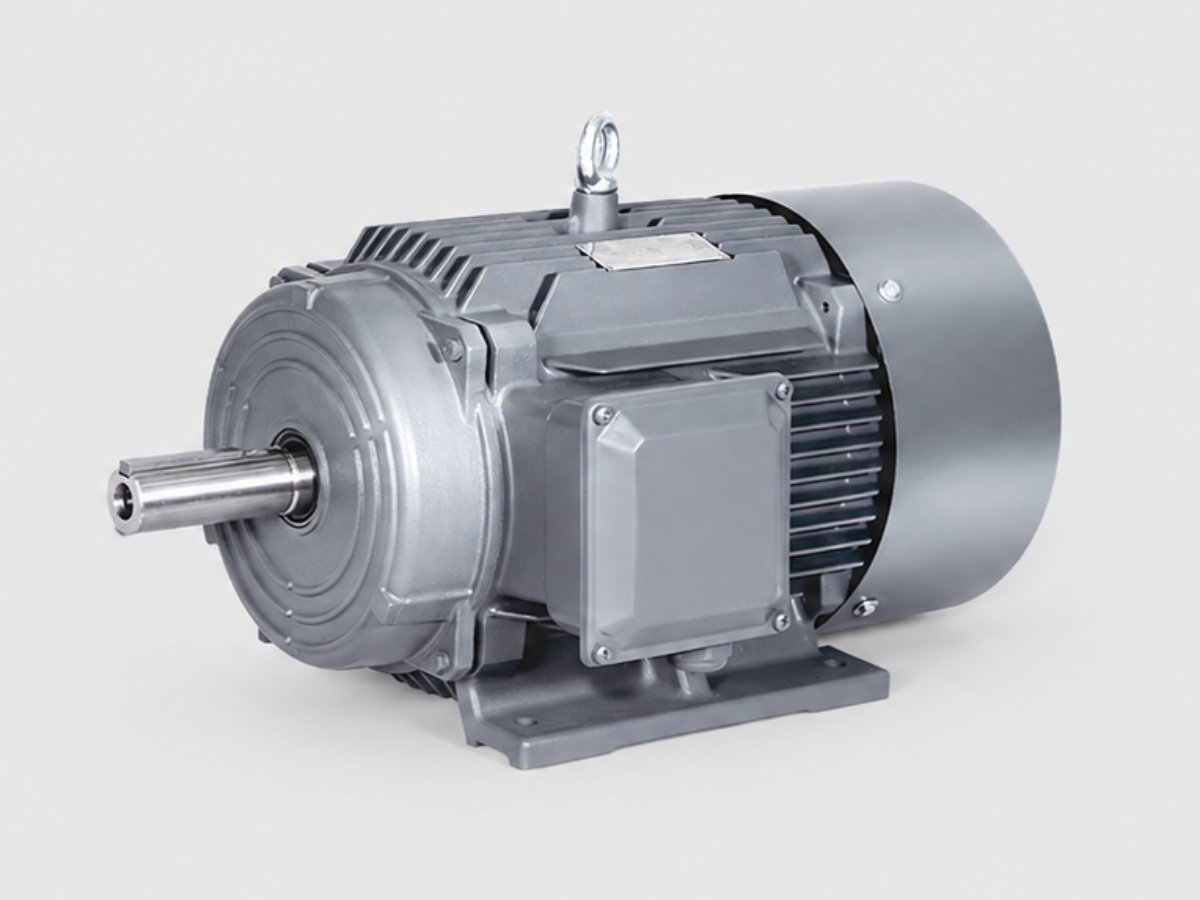
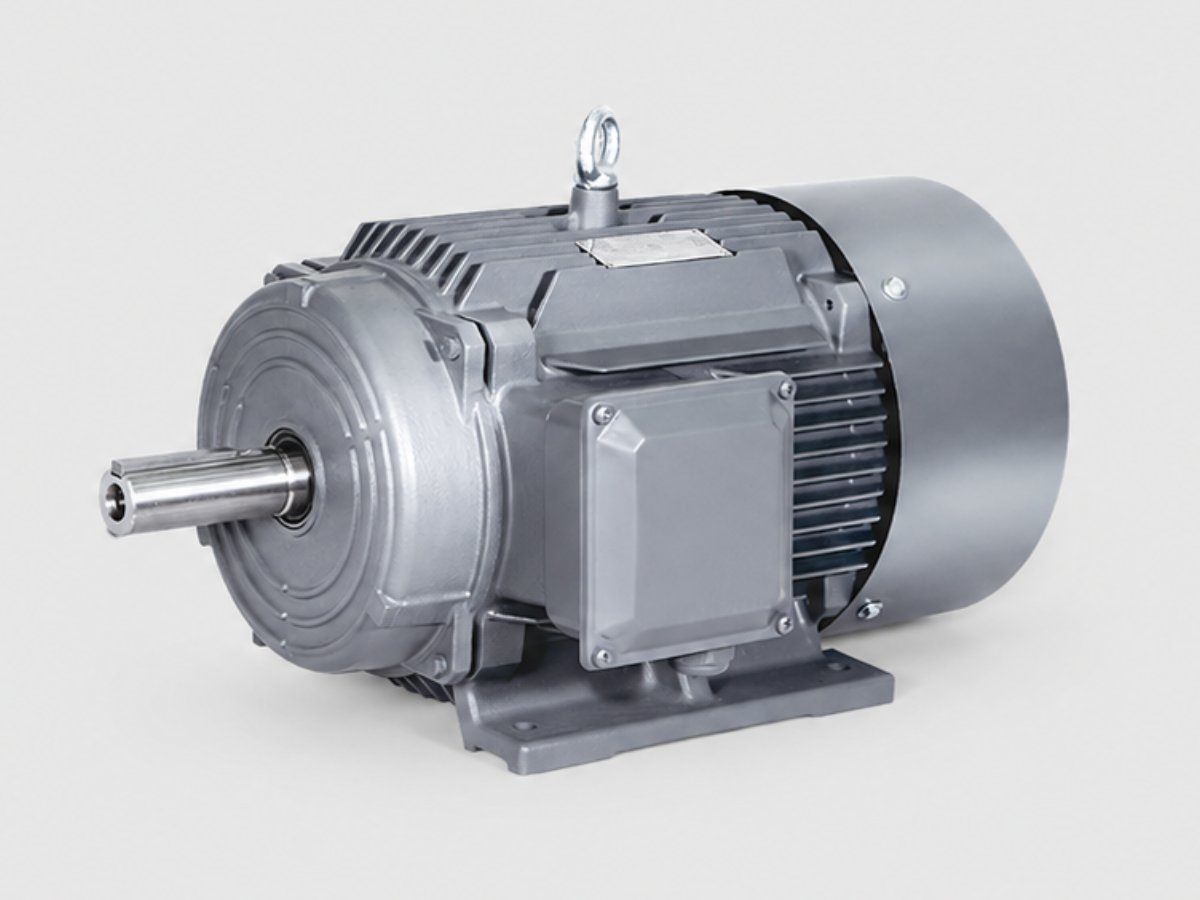
The international standard IEC 60034-30-1 divides single-speed induction motors into energy efficiency classes: IE1 (standard), IE2 (high), IE3 (premium), IE4 (super premium). The efficiency threshold for each class differs for each power, number of poles and mains frequency. The class is shown on the nameplate. A step up in class is noticeable on motors that run all day: pumps, vacuum, the machine drive. For motors that run rarely, the difference is small.
What to consider when replacing:
- the mounting dimensions and shaft height must match the old motor;
- a high-class motor may have slightly different speed under load, which matters for pumps;
- the motor is chosen for the actual load, not "one step up just in case".
Reactive power
Besides active power, induction motors and transformers consume reactive power. It does no useful work, but it drives extra current through the network, heats cables and transformers, and lowers the voltage. In June 2026 Uzenergoinspeksiya (the Uzbekistan energy inspectorate) reminded consumers that with a low power factor they receive surcharges and penalties, and that the most common and effective means of compensation is capacitor banks; automatic control helps keep the most economical mode as the network load changes.
What to check:
- whether the plant has a capacitor bank at the incoming supply and whether its controller works;
- whether capacitor stages have failed: this cannot be seen from outside;
- for large motors with a constant load, individual compensation: capacitors at the motor terminals, switched on together with it; the motor protection is re-set afterwards;
- capacitors are not fitted near frequency drives without calculation: resonance with the harmonics of the drive is possible, and that is a task for the electrical design engineer.
An underloaded motor consumes almost as much reactive power as a loaded one but does less useful work: the power factor falls. So switching off motors that do no work and not choosing them with a large margin helps here too.
How we do it
- From the photo of the nameplate, dimensions and passport of the motor or pump, we look for the item at the manufacturing plant. What we find, with the price, photos and specifications, we send before the order.
- We inspect the lot at the plant before shipment: part number, dimensions, lot, packaging.
What this article relies on
Below are the documents and materials we refer to, so that you can check what is said for yourself.
Standards and documents
- IEC 60034-30-1:2014 "Rotating electrical machines — Efficiency classes of line operated AC motors (IE code)", as summarized in an ABB technical note: classes IE1–IE4, dependence on power, poles and frequencytext ↗
- BSI, standard record "Rotating electrical machines. Efficiency classes of line operated AC motors (IE code)": scopetext ↗
Reference materials
- U.S. Department of Energy, Advanced Manufacturing Office, Motor Tip Sheet #11 "Adjustable Speed Drive Part-Load Efficiency": affinity laws, variable and constant torque loads, how to estimate the savingenergy.gov ↗
- Uzenergoinspeksiya, "What is reactive power, why is its compensation important and what advantages does it give?" (11.06.2026): surcharges and penalties at low cos φ, capacitor banksgov.uz ↗
- Electrical Installation Guide (Schneider Electric), "Power factor correction of induction motors": low power factor of an underloaded motor, switching off motors that do no work and not choosing them with a margin, capacitors at the motor terminals and re-setting the protectionelectrical-installation.org ↗
The list of consumers is drawn up from the design of a slate line; the actual structure of your plant's consumption is shown only by measurement.