Slate line stopped: what to do in the first hours
When a line stops for a long time, the main thing in the first hours is not to let the cement slurry harden where you would later have to chip it out: in the vats, agitators, pipes, on the screens and the felt. Keep the slurry moving or drain it, wash the screens and felt, then look for the cause, and only after that order the part.
In short
5minutes to read
6sections
4sources
4catalog items
In this article
Contents
If a slate line has stopped and cannot be restarted quickly, the first hours go not on repair but on saving the machine from its own slurry. The slurry is cement, fibre and water. While it moves, it stays liquid. Once it stops, the cement settles and starts to set: in the vats of the cylinder screens, in the agitators, in pipes and chutes, on the screens and in the felt. Hardened slurry is then chipped out for days, and the felt and screens often have to be replaced afterwards. So the order is this: first the slurry and the washing, then the cause, then the spare part request.
What to decide in the first hour
The shift foreman and the chief mechanic decide one question: how long the stoppage will last.
- Short: the cause is clear, the part is in stock, the repair is done on site. The slurry is kept moving: agitators run, the vats are stirred, the supply of fresh slurry is stopped.
- Long or unknown: the slurry is drained from the vats and pipes into a receiver or sent for recycling, and everything that touched the slurry is washed.
Where the line between "short" and "long" falls depends on the cement, the water temperature, the plant and the composition of the slurry. It has to be set by the process regulations of your plant. If the regulations do not say, that is the first line worth adding to them.
What to do with the slurry and the machine
Agitators and vats
The line has a storage agitator: it holds a reserve of ready slurry so that the forming machine can run without a break. The agitators in the vats keep the slurry from settling and hardening. While their drive runs, you have time. If it is the agitator drive that has stopped, the slurry in that tank is the first concern.
Pipes, chutes, pumps
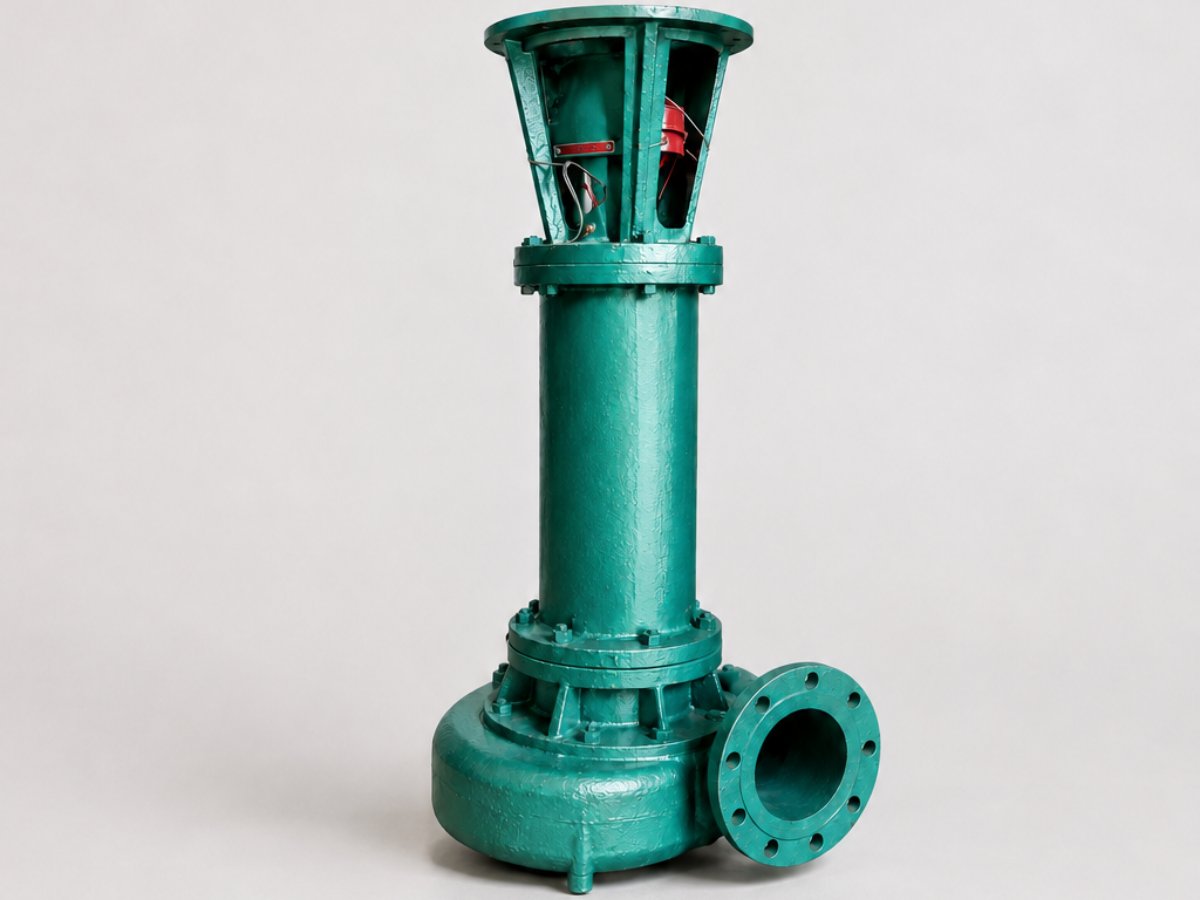
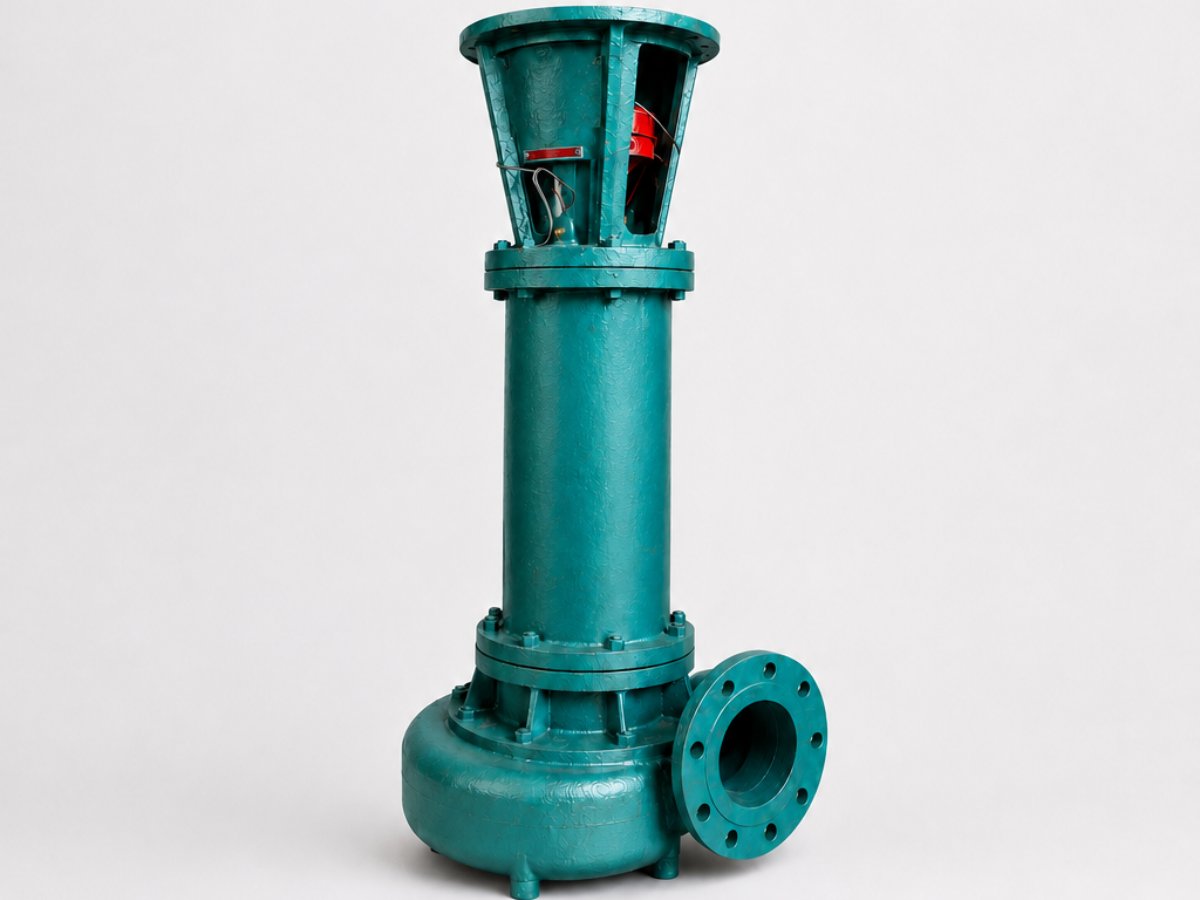
Slurry left in a pipeline and a pump settles fastest of all: there is no stirring there. Slurry and sludge pipes and pumps are flushed with water. If a pump was stopped with slurry inside, turn it by hand before starting: a hardened deposit tears the seal and breaks the impeller.
Cylinder screens
A screen with dried slurry loses its permeability. Wash the screen at once, while the deposit is still soft. A hardened layer can hardly be removed from the fine mesh without damaging it.
Felt
The machine has a felt washing device, and the water for washing the screens and felt is taken from the recirculation system. During a stoppage the felt is washed until the water runs clean, and no layer of slurry is left on it. Dried cement in the body of the felt is one of the reasons why, after start-up, the felt does not release water and the sheet comes out defective. For details, see the article on the clogged felt.
Format drum, rolls, vacuum
The partly formed layer is removed from the format drum. The vacuum boxes and their covers are washed, otherwise the deposit will clog the slots and scratch the felt at start-up.
How to look for the cause
Once the slurry is safe, look for why the line stopped:
- What happened and at what moment: a knock, a smell of burning, the breaker tripping, a signal on the panel.
- Which unit: drive, bearing, felt, pump, press, cutting, automation.
- What can be seen on the part: a fracture, scoring, overheating, wear.
- Whether it is the first time: check the failure log.
Write the cause and the type of failure in the log immediately. After a month, such entries show which units break more often and what to keep in stock.
How to write a spare part request
So that the part is found quickly and correctly, attach to the request:
- a photo of the nameplate of the unit and of the part itself, preferably next to a tape measure;
- the dimensions of the mounting seats, and the bearing or seal number if it can be read;
- the passport of the machine or a page from the manufacturer's catalog, if you have one;
- for the felt: width, length, type and how long the old one ran.
How to read a nameplate and what to write in the request is covered in the articles on the spare part from the nameplate photo and on the request from a slate plant.
What not to do
- Do not start the machine with slurry that has stood and thickened, "so that it washes itself out": this tears the felt and screens.
- Do not chip out hardened slurry by hitting the screen or the body of the vat.
- Do not bypass the interlocks and drive protection to "make it to the end of the shift".
How we do it
- From the photo, dimensions and the passport of the unit, we look for the item at the manufacturing plant. What we find, with the price, photos and specifications, we send before the order.
- We inspect the lot at the plant before shipment: part number, dimensions, lot, packaging.
What this article relies on
Below are the documents and materials we refer to, so that you can check what is said for yourself.
Reference materials
- Pavement Interactive, "Portland Cement Setting Time": what the initial and final set of cement are, the Vicat needle test under ASTM C191pavementinteractive.org ↗
- Rybyev I. A. "Building Materials Science" (Строительное материаловедение), section "Fundamentals of asbestos-cement product manufacturing": storage agitator for continuous machine operation, recirculated water for washing the screen and felt, felt washing devicestudme.org ↗
- Patent US 9415564 "Felt for forming fiber cement articles": agitators in the vats keep the slurry from hardening, vacuum boxes under the feltpatents.google.com ↗
- Patent US 4193842 "Method and apparatus for cleaning paper making felt": cleaning the felt of a cylinder-mould machine while running: an ultrasonic bath instead of showers, and why shower washing does not always remove the depositpatents.google.com ↗
The order of actions is drawn up from the design of the Hatschek machine; the time after which the slurry is drained comes from the process regulations of your line.