Forming machine spare parts to keep in stock for a year
For a Hatschek machine keep in stock what is made to your machine's size and what stops it when missing: felts, cylinder screens, vacuum box strips, knives, coverings and roll bearings, pump impellers and liners, spray nozzles. Work out the quantity from your own replacement log, not from someone else's norm.
In short
5minutes to read
6sections
6sources
4catalog items
In this article
- 01Why the forming machine has its own list
- 02List by unit
- 03How to work out the quantity
- 04What to look at when drawing up the list
- 05How to prepare an order for a year
Contents
The stock for a forming machine is built on one rule: keep in advance what is made to the size of your machine and what stops it when missing. These are the forming felts, the screens of the cylinder moulds, the cover strips of the vacuum boxes, the cut-off and edge-trimming knives, the coverings and bearings of the rolls and drum, the impellers, liners and seals of the slurry pumps, the spray nozzles, and the rubber parts of the tensioning and guiding. How many of each is shown by your replacement log: how long the item ran and how long you waited for a new one. Below is the list by unit and what to look at in drawing it up.
Why the forming machine has its own list
The general approach to line spares is in a separate article: keep what stops the line, fails suddenly and cannot be quickly bought nearby. On a forming machine almost everything falls under the third point. A felt, a cylinder screen, a box strip, a knife are items made to your width, diameter and length. They are not sold "off the shelf"; they are made to order and shipped. So stock at the forming machine is not insurance for a rare case but a normal consumption turnover.
List by unit
| Unit | What to keep | Why in advance | What to know for the order |
|---|---|---|---|
| Forming felt | a set for replacement and a reserve for the delivery time | made to the width and length of the machine; under a heavy duty a felt can go within weeks | slurry, fabric type, density, dimensions, label of the old one |
| Cylinder mould screens | a face mesh for each cylinder, more if tears are frequent | to the cylinder diameter and length; replacement is long work | number, wire, weave, cylinder dimensions |
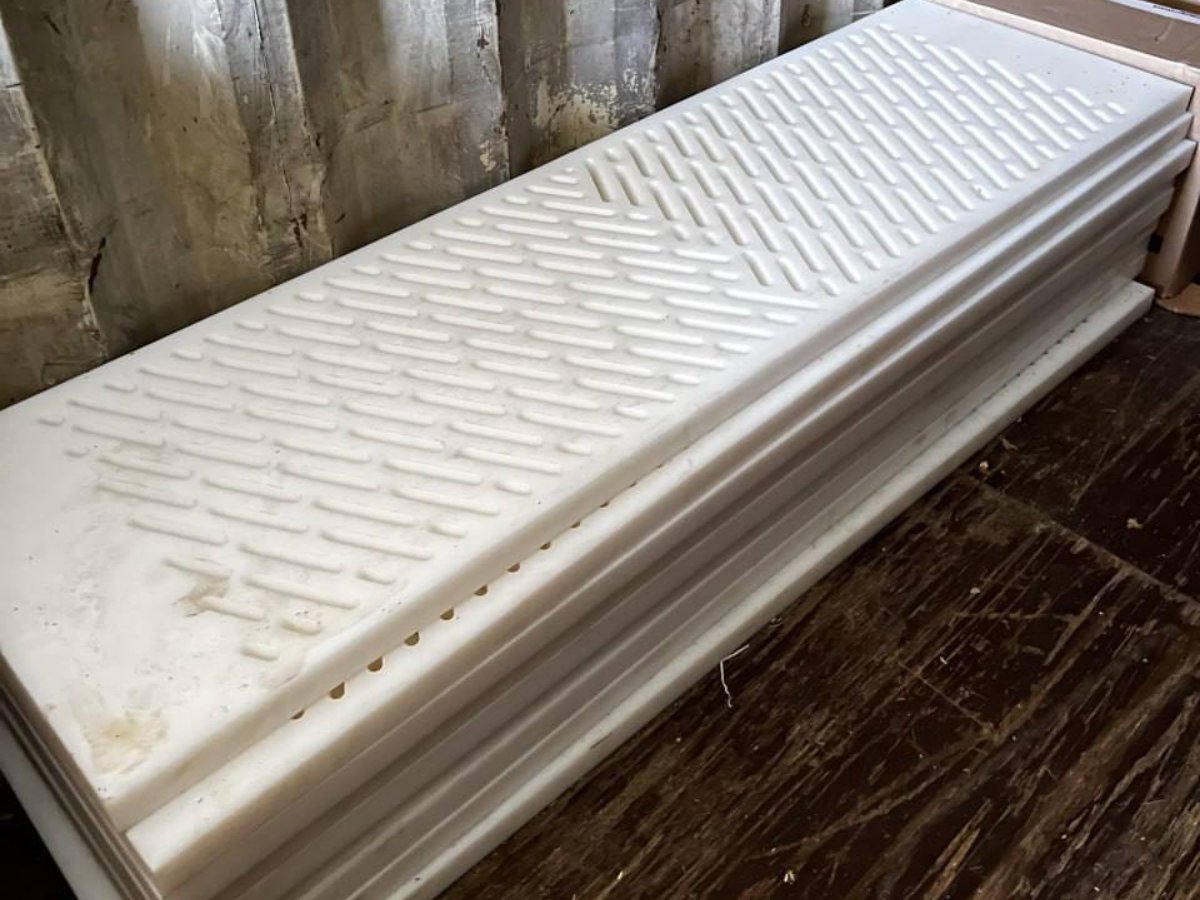
| Vacuum box covers | a set of strips for each box | wear leads to felt damage; polyethylene is changed often | dimensions, slots, material, fixing |
| Format drum and press roll covering | a spare roll or an arrangement for re-covering | re-covering rubber is a workshop job | diameter, length, hardness, drawing |
| Roll and drum bearings | one for each size of the critical units | failure is sudden, the machine stands | full number with suffixes, housing, sleeve |
| Bearing unit seals | a set for each housing size | without them a new bearing will not live long | seal type and dimensions |
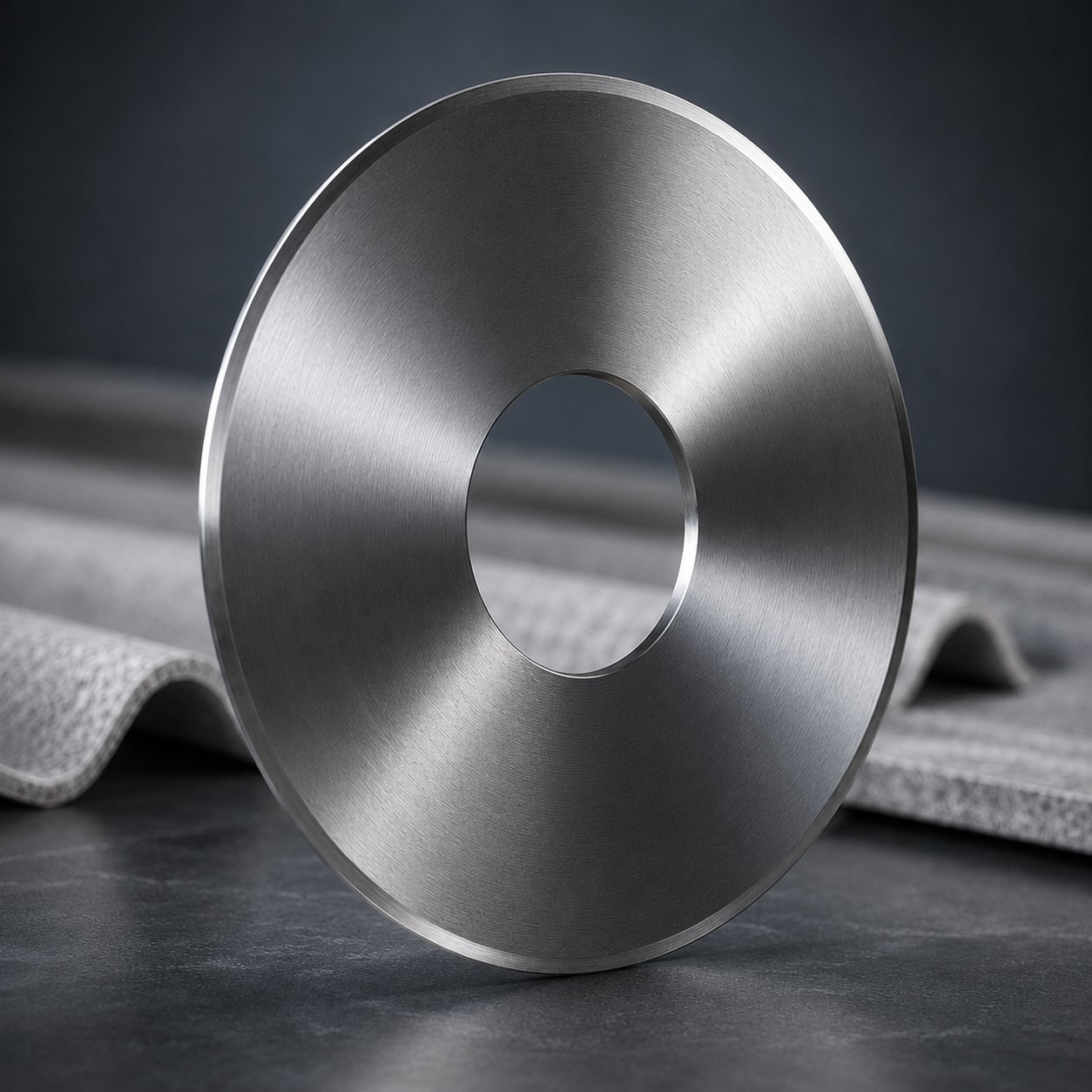
| Cut-off and edge-trimming knives | a set for replacement and a reserve for regrinding | they blunt and chip, the size is for the machine | dimensions, material, hardness, place |
| Slurry pumps | impellers, liners, shaft seals; for critical places the whole pump | abrasive eats the wet end | nameplate, ports, what it pumps |
| Vacuum pump | a set of seals; for a single pump a decision on a standby | without vacuum there is no sheet | nameplate, duty point, connection |
| Sprays | nozzles, water filters | a blocked nozzle is a dirty stripe on the felt | nozzle type and size, thread |
| Tensioning and guiding | air bellows, guide valves, edge sensors | rubber hardens and cracks | unit model, photo |
| Doctors | blades | a nicked blade damages the roll and felt | length, width, thickness, material |
The quantities in the table are a principle, not a norm. One machine runs on asbestos cement slowly and carefully, another on fibre cement at high speed; their consumption of felts and screens can differ considerably.
How to work out the quantity
For each item two figures are needed:
- How long it runs with you: from the replacement log for the past year.
- How long to wait for a new one: from the enquiry to the moment the item is at the plant. The time of manufacture and transport is different for each item; it is learned from the manufacturer at each order.
If an item goes faster than a new one arrives, keep more than one set. If there is no log, start it now: date, unit, item, how long it ran, why it was removed. In a year the spares list is drawn up from facts, not from memory.
What to look at when drawing up the list
- Items with the longest wait. Usually these are felts, screens, re-covering of rolls, large bearings. They are ordered first.
- Items with no data. No dimensions, label or drawing means that at a breakdown you will first have to measure and search. Such items are worth describing in advance, while the unit is intact.
- Substituting one for another. If you change the slurry (for example, move to fibre cement), part of the stock of felts and screens may not fit. Take this into account before an order for a year.
- Storage. Felts and screens: dry, with no folds and no load on top. Rubber ages on the shelf too: use the older items first.
How to prepare an order for a year
It is more convenient in one table: item, unit, dimensions, quantity, photo, label of the old part. Then all items are searched at once and checked as one lot. How to draw up an enquiry for spare parts is in a separate article.
How we do it
- We look for spares items at the manufacturing plant by number, drawing or photo of the unit. What we find, with the price and photos, we send before the order.
- Your "yes" on each line of what we found is the order.
- We inspect the lot at the plant before shipment: part number, dimensions, lot, packaging.
What this article relies on
Below are the documents and materials we refer to, so that you can check what is said for yourself.
Reference materials
- Application EP 0964088, background section: frequent cleaning and replacement of Hatschek machine felts, under a heavy duty even after a week, compaction of the feltdata.epo.org ↗
- Patent US 3975568: fast wear of polyethylene covers of suction boxes and stoppages for replacementpatents.justia.com ↗
- Application EP 0902121: soldering the face mesh onto the cylinder and the difficulty of replacing itdata.epo.org ↗
- Valmet, "Maintenance and operation of press stretchers and guides": replacing hardened and cracked guide bellowsvalmet.com ↗
- Patent US 9574573, background section: wear of slurry pump impellerspatents.google.com ↗
- taminota.com catalog: felts TMN-XHB-F01 and F03, vacuum panel TMN-WP-1900, knife TMN-280-1303, pump TMN-NS-100, bearing TMN-NSK-22208.
The list is compiled from the design of the machine and articles 51–59 of this section. Quantities are not given: they depend on the machine, the slurry and the duty.