Electrical componentsBEIDE
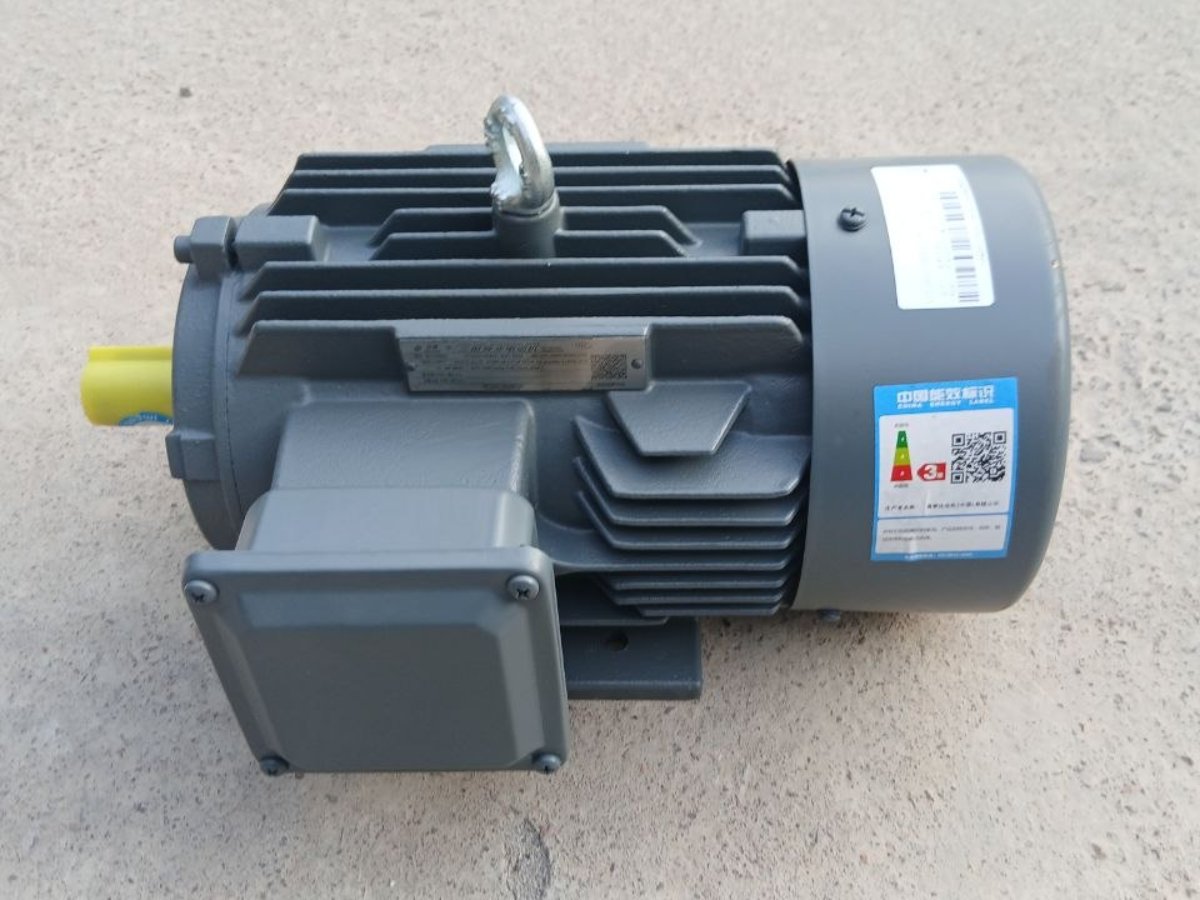
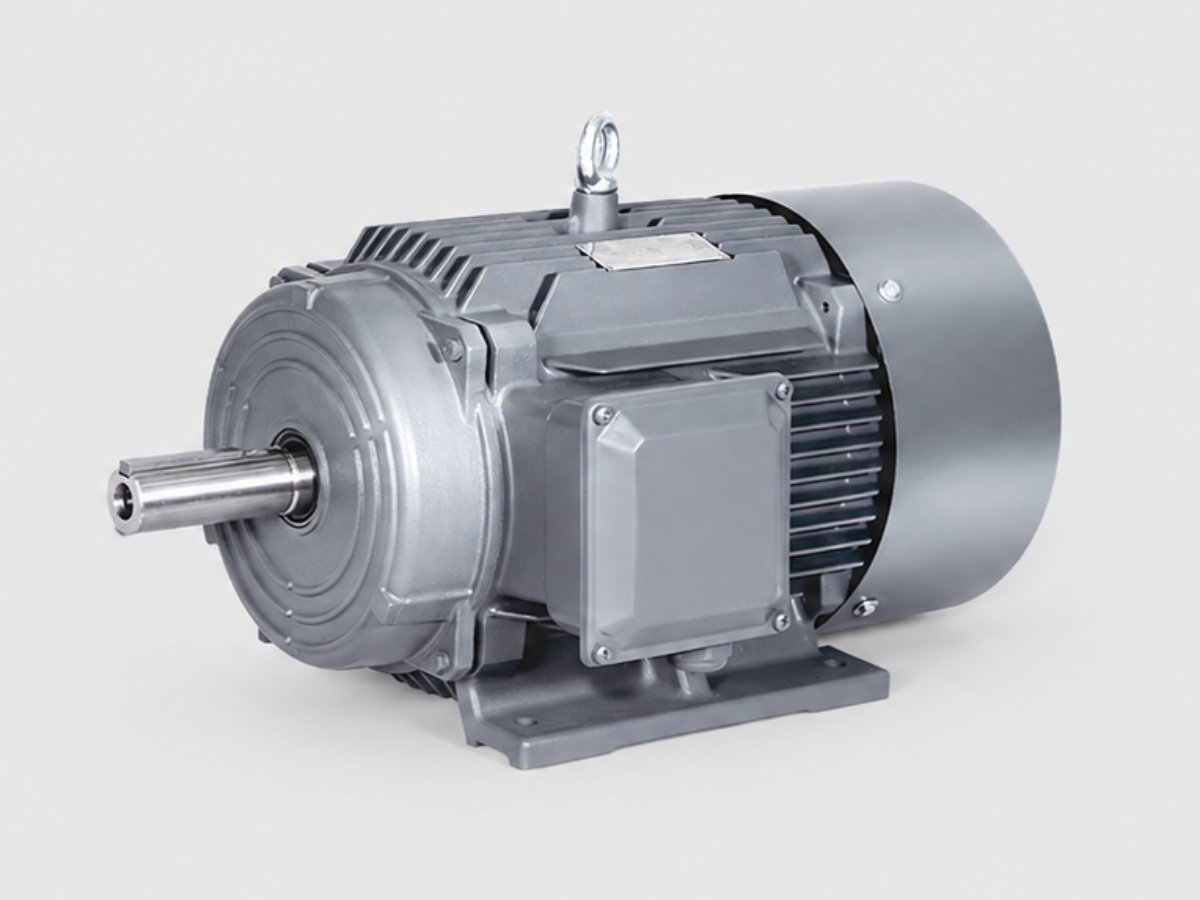
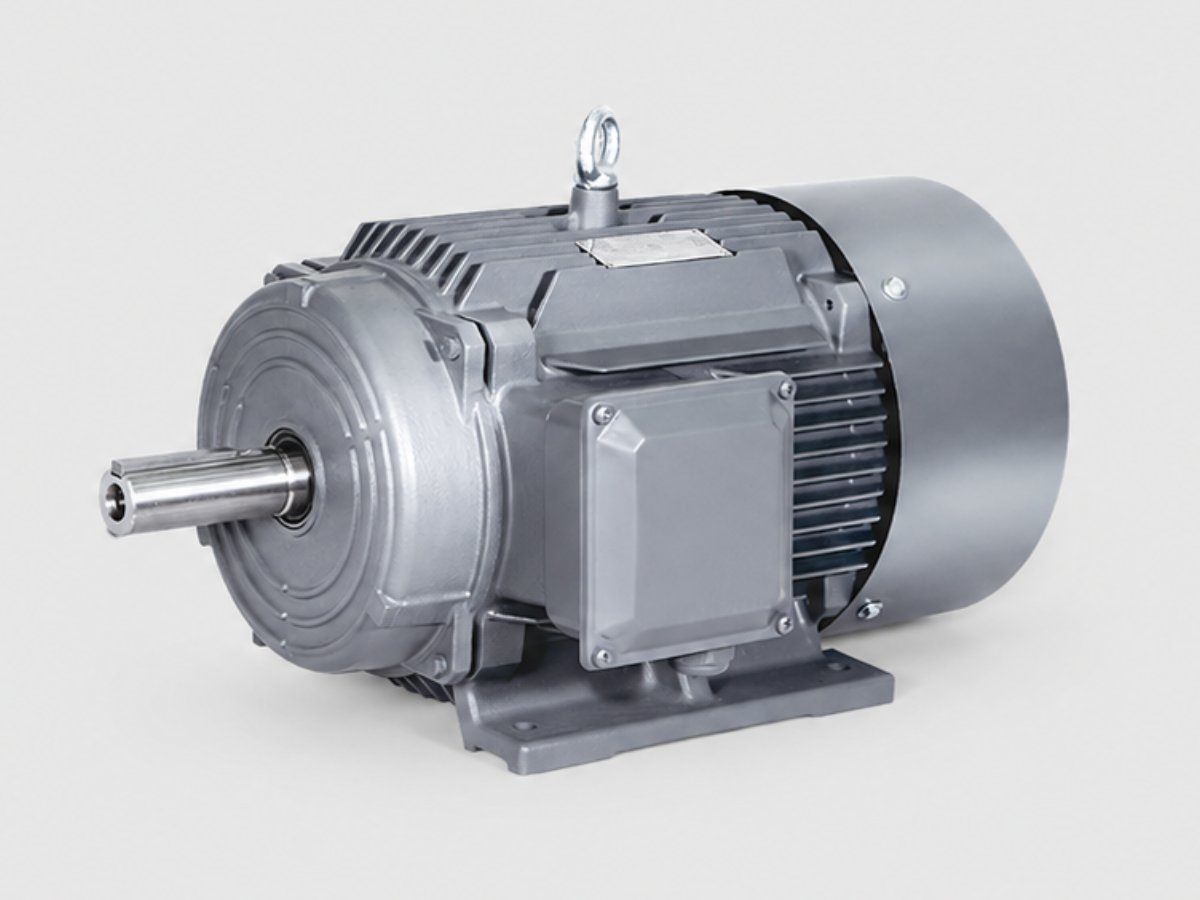
Asynchronous electric motor 22 kW
Power22kW
- TAMINOTA part number
- TMN-EM-22
- Manufacturer part number
- OCV3184B
- Manufacturer part number
- 1TL0003-1EB43-3AA5
- Speed
- 1470 rpm
- Frequency
- 50 Hz
Purpose: driving pumps, fans, conveyors, gearboxes, compressors and other industrial equipment.
- Brand
- BEIDE
- Category
- Electrical components
- Industry
- Asbestos and fiber cement · Corrugated board · Printing · Suits any industry
- Availability
- Ready at factory
What to send for selection
- 01Part number or the number on the nameplate
- 02Photos of the unit and its nameplate
- 03Model of the machine the unit is fitted to
- 04Quantity
Specifications
TMN-EM-22
- Nameplate number
- LMH-2503/800033096429/025
- Voltage
- 380 VΔ / 660 VY
- Current
- 43.5 / 25.0 A
- Efficiency
- 93%
- cosφ
- 0.83
- Ingress protection
- IP55
- Insulation class
- F, 155 °C
- Mounting arrangement
- IM B3
- Frame dimensions
- 180L
- Weight
- 185 kg
How to get this item
- 01You send the part number or a nameplate photo
- 02You get the plant’s invoice and a lead time
- 03Inspection at the plant, delivery, documents
Related articles
- Documents that come with a lot from China and what to check in themA lot arrives with a contract, an invoice, a packing list, a transport waybill, a product passport, customs papers and an acceptance report. Each has two or three lines worth checking against the next document and against the cargo itself.
- How to read an electric motor nameplate: kW, rpm, IP, insulationTo find a replacement, copy six things from the nameplate: power in kW, voltage with the connection (Δ or Y), speed, frame size, mounting version (B3, B5) and IP rating. Insulation class, duty type and efficiency help choose an equivalent motor, not just a similar one.
- How to choose a replacement for a burnt-out motor that fits the placeFor the new motor to fit without rework, it must match not only the kW and speed but also the frame size (shaft height), version (feet or flange), shaft (diameter, length, key) and the spacing of the foot holes. The same power comes in different frame sizes in different series.
- How to choose a VFD (frequency inverter) for a motorA VFD is chosen by the motor current and by the load, not only by kilowatts. For a pump or fan the light-duty rating is enough; for a conveyor, mixer or crusher the heavy-duty one is needed. Three more questions: the supply voltage, whether fast braking is needed, and how long the motor runs at low speed.
- Forming machine drive: how to match felt and drum speedThe felt, the cylinder screens and the format drum are linked by friction: the felt turns the screens and is pressed against the drum. If the surfaces run at different speeds, the felt slips, stretches and tears, and the layers on the drum shift. Matching is held by frequency converters with a common speed reference and by sensors that show the real speed of each unit.
- Gearboxes on a slate line: what is fitted and what can replace itOn a slate line gearboxes turn the agitators, the felt and format drum drive, conveyors, roller tables and the stacker. Cycloidal, worm and helical gearboxes are the most common. A replacement is chosen by output speed and ratio, by torque with a margin for the duty, and by the connection: mounting position, feet or flange, shaft diameters and keys.
- Heat: fast setting, over-dried sheet and overheated motorsIn hot weather cement sets faster, water leaves the green sheet faster, and motors and control cabinets run hotter. Hence three summer problems: slurry thickens in the vats and pipes, sheet dries out in the yard and cracks, motors and frequency drives trip on overheating. The answer: control of water and slurry temperature, shelter and moistening of the sheet, ventilation of motors and cabinets.
- Compressed air on the line: compressor, dryer and leaksA slate plant needs compressed air for demolding and the stacker, for the line's pneumatic cylinders and valves, for blowing filters and for aeration of cement silos. The air must be dry and clean, otherwise water and oil ruin the pneumatics, and in a silo damp air cakes the cement. Hence three concerns: the compressor, the dryer with filters, and finding leaks.
- Where a slate plant's electricity goes and how to cut itMotors take most of the electricity at a slate plant: mills and edge runners, refiner, hydropulper, vacuum pumps, slurry and water pumps, compressor. Consumption is cut in three steps, not by one purchase: remove idle running and throttling, fit a frequency drive where the load varies, and when replacing a motor choose a suitable power and a high efficiency class. Reactive power compensation is a separate matter.
Request
Send a part number or a photo — we will find the factory
Items from the catalog · 1
- TMN-EM-22 · Asynchronous electric motor 22 kW