How to order a part from China with only a nameplate photo
One clear photo of the nameplate is often enough to find the manufacturing plant. If the plate is worn off, the unit is identified from three or four dimensions, photos of where it is installed and data on the machine it sits on.
Updated
Contents
A nameplate is a metal or plastic plate on the body of a unit. The manufacturer writes its name, the model, the serial number and the main operating data on it. This is usually enough to find the manufacturer and match the same item or a direct replacement. If the nameplate is worn off, painted over or missing, the unit is identified by its dimensions, its appearance and the machine it sits on. Below: what to photograph, what to measure and what to send, so that the plant's first reply is on point.
How to photograph the nameplate
A bad photo is the most common cause of extra back-and-forth. An "8" gets read as a "3", the letter "O" as a zero, and the plant sends the wrong model.
- Wipe the plate clean of oil and dust. You do not need solvent; a rag is enough.
- Shoot straight on, not from the side. Hold the phone parallel to the plate.
- Turn the flash off. Glare on metal swallows the characters. Soft daylight or a flashlight held to the side works better.
- Take two shots: a wide one where the whole plate is visible, and a close one where every line is readable without zooming.
- If the letters are stamped but the paint has worn off, shine a flashlight across the surface at a low angle. The relief becomes visible.
What is usually written on the nameplate
The data depends on the type of unit. For three common cases it looks like this.
| Unit | What to look for on the plate or body | Why the plant needs it |
|---|---|---|
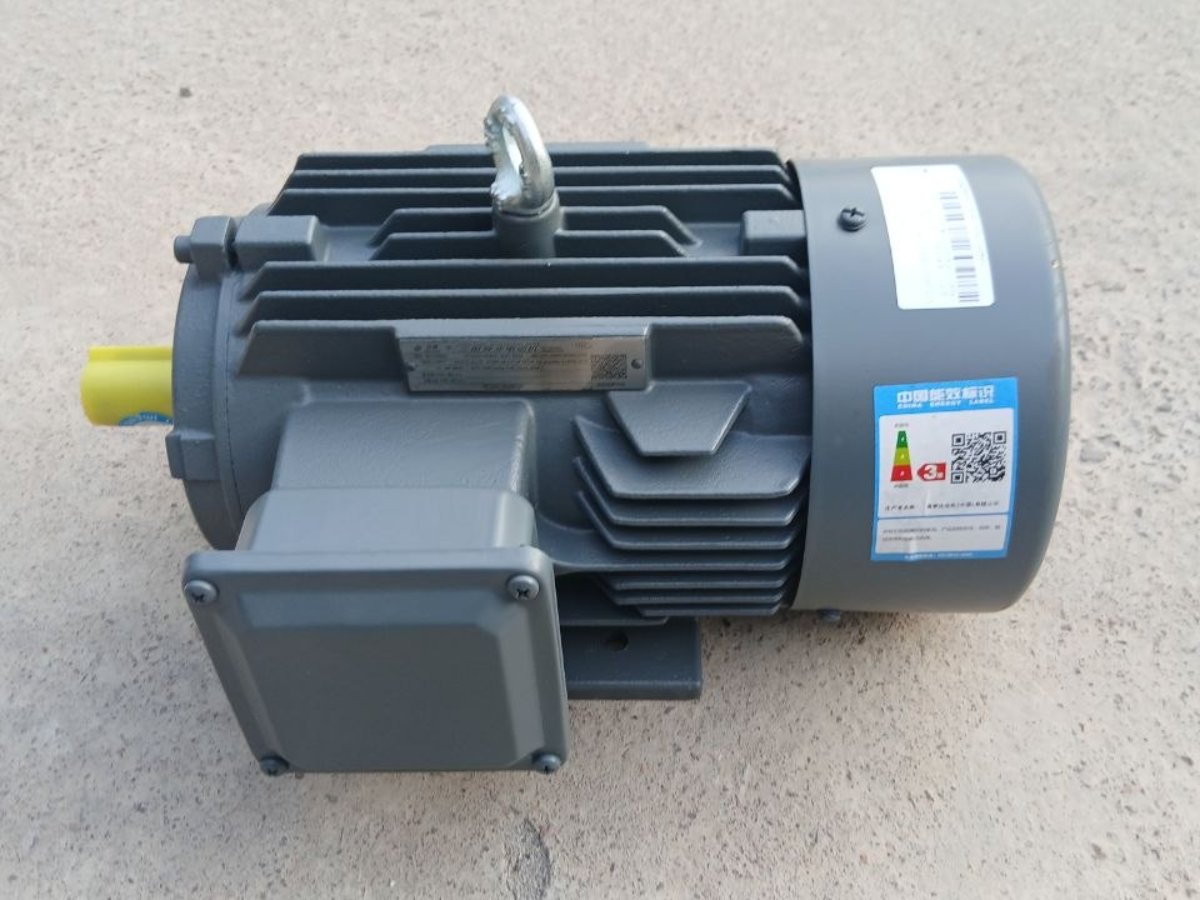
| Electric motor | manufacturer, model, power, voltage, frequency, current, speed, IP protection rating, insulation class, duty type | these data are used to pick a motor that fits the circuit without rework |
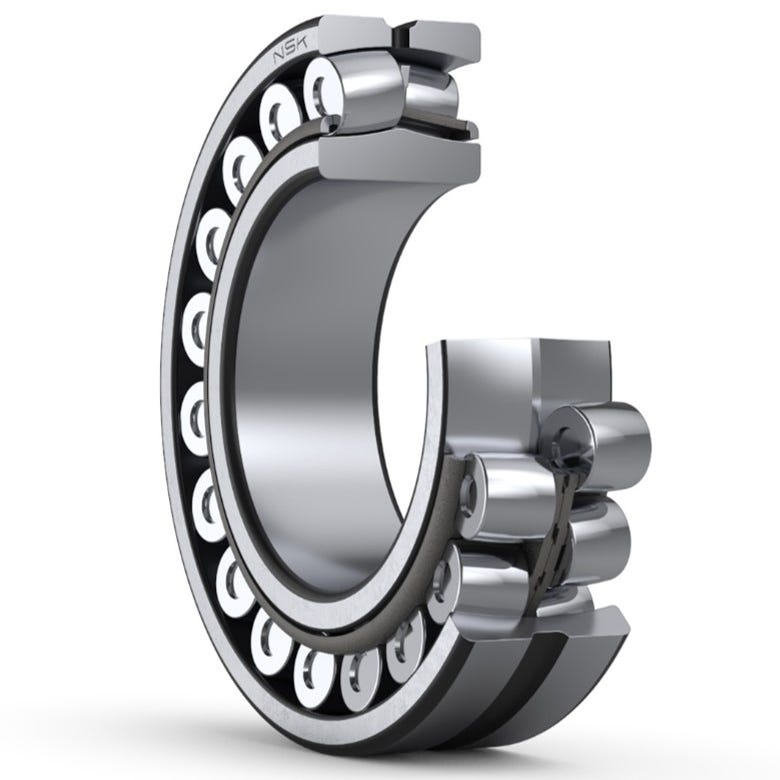
| Bearing | the number on the face of the ring: type, series, bore, suffixes | the number is standardized, so an equivalent can be found from any manufacturer |
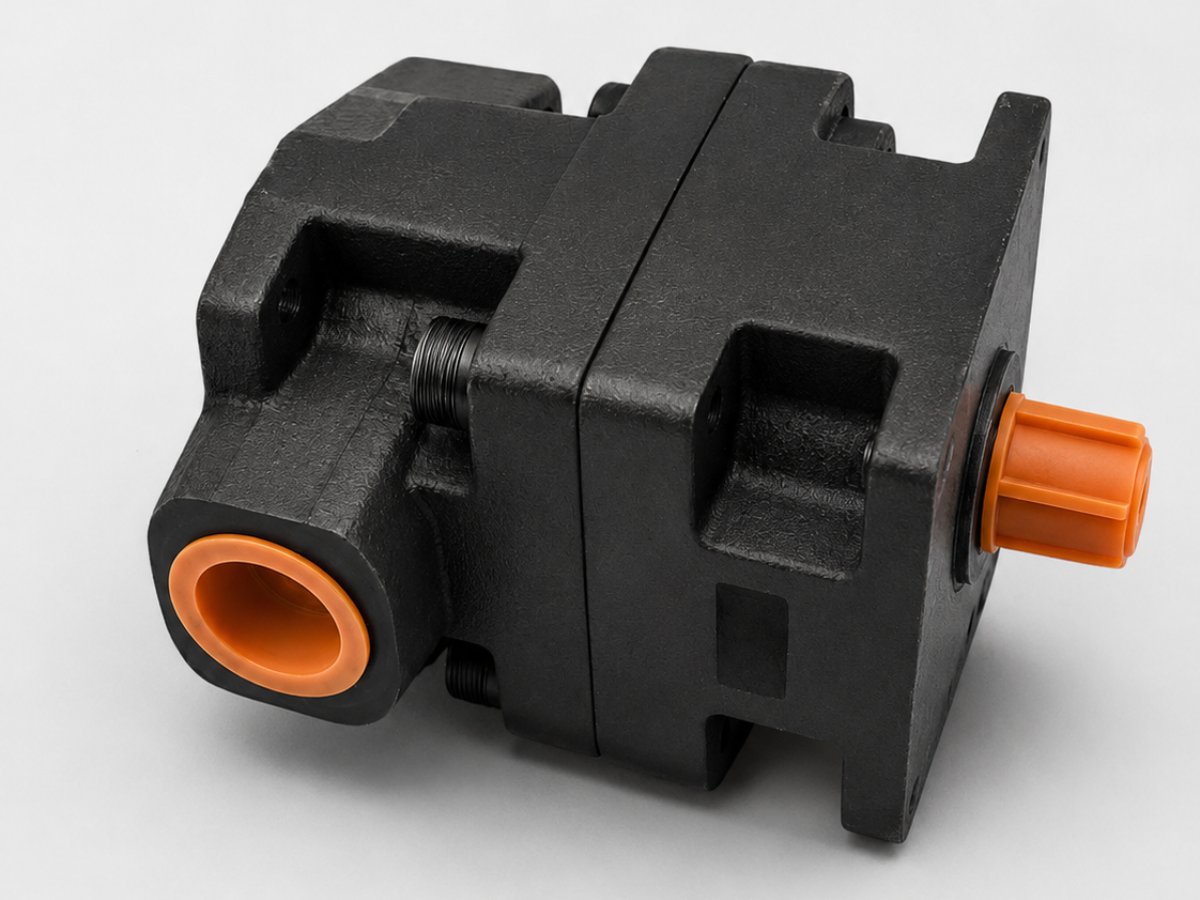
| Hydraulic pump | model code, displacement, direction of rotation | for a pump the flange, shaft and port sizes also matter: they decide whether it fits in place |
A bearing has no plate; the number is stamped on the face of the ring. The main part of the number is built the same way across manufacturers. The last two digits usually give the bore: for codes from 04 up, multiply them by 5. For example, bearing 22208 has a 40 mm bore. The letters after the number differ between manufacturers: K means a tapered bore, C3 means increased clearance. So copy the suffixes in full, even if they seem unnecessary.
If there is no nameplate
Then dimensions and photos do the work. Take calipers, or at least a tape measure.
- Mounting dimensions. Shaft or bore diameter, outside diameter, width. For a bearing these three numbers are often enough.
- Fixing. Number of holes, their diameter and the distance between centers. For flanged units, the diameter of the centering spigot.
- Shaft. Diameter, length of the protruding part, type: keyed, splined or tapered. On a splined shaft, count the teeth.
- Connection. Thread or flange at the inlet and outlet, and its size. For electrical parts, the number and type of terminals.
Write dimensions in millimeters and note what exactly was measured. Put a ruler or calipers next to the part and photograph them together: that shows the scale.
What to attach to your request
Besides the nameplate, information about the machine helps the plant. A unit taken off a line is easier to identify if we know where it came from.
- Photos of the unit in place and removed, from two or three sides.
- The nameplate of the machine or line itself: manufacturer, model, year.
- What the unit does and what happened to it: wear, a crack, a burnt-out winding.
- How many pieces you need now and how many the line has in total.
- If you have the machine manual or a parts catalog, the page with this unit.
The fuller the first request, the fewer follow-up questions from the plant. But do not wait until everything is collected: send what you have, and we will ask for the rest.
When a photo is not enough
Some units cannot be settled with a photo and dimensions. For example, a knife or a shaft made for one specific machine, or a part that was already modified on site. Then the plant asks for a sample, a drawing or measurements from its own list. This is not a refusal but a normal step: the manufacturer answers for what it made and does not want to make it blind.
Another case is a model that is out of production. The plant may offer a successor with a different code. Its dimensions and data are checked against yours before you say "yes".
How we do it
- We take your nameplate photo, dimensions and photos of the unit and look for the manufacturing plant. A part number is enough; a drawing and photos speed up sourcing but are not required.
- We send you what we found with a price before the order: a photo of the item and the plant's specifications. Your "yes" is the order.
- Where we need the plant's answer on material, version or tolerance, we pass on its word, not our own guess.
- At the plant we check what was found against your part number and name: marking, nameplate, lot certificate.
What this article relies on
Below are the documents and materials we refer to, so that you can check what is said for yourself.
Standards and documents
- BSI. Hydraulic fluid power — Dimensions and identification code for mounting flanges and shaft ends of displacement pumps and motors — Metric seriestext ↗
Reference materials
- Koyo (JTEKT). Bearing numberkoyo.jtekt.co.jp ↗
- NSK. Bearing Designationsnsk.com ↗
- MB Drive Services. What information belongs on a nameplate?mb-drive-services.com ↗
- Danfoss Power Solutions. Gear pump product card 111.21.027.00 (fields: displacement, rotation, flange, drive shaft, ports, seals)powersource.danfoss.com ↗