A minimal slate plant laboratory: what it must have
A slate plant laboratory needs two parts. The first checks the finished sheet to GOST: a bending and load testing machine, a pendulum impact tester, a drying oven, scales with a hydrostatic weighing fixture, a freezer and measuring tools. The second watches the raw materials and the mass: cement, fibre opening or refining, concentration. Periodic tests can be given to an outside laboratory; acceptance tests are better done in house.
In short
4minutes to read
5sections
5sources
4catalog items
In this article
- 01What the owner needs to decide
- 02Part 1. Checking the finished sheet
- 03Part 2. Control of raw materials and mass
- 04What can be given to an outside laboratory
- 05How we do it
A minimal slate plant laboratory must be able to do two things. The first is to confirm that a lot conforms to GOST 30340-2012 or GOST 18124-2012. For this you need a bending and load testing machine, a pendulum impact tester, a drying oven, scales with a hydrostatic weighing fixture, water tanks, a freezer and measuring tools. The second is to catch a fault before it becomes scrap: to check the cement, the opening of the asbestos fibre or the refining of the cellulose, and the concentration of the mass. Tests of every lot are better done in house. Rare tests that need costly equipment, for example frost resistance, can be given to an accredited outside laboratory.
What the owner needs to decide
- What to do in house and what outside. Acceptance tests go every shift: you will not haul them to the city. Frost resistance and water tightness are needed once a quarter. If there is no freezer, a contract with an accredited laboratory is simpler.
- Verification. Scales, the load meter and measuring tools must be verified. A report from an unverified instrument may be rejected by the buyer and by the certification body.
- People and logs. A lab technician who selects sheets every day and keeps the log matters more than an expensive instrument. The standard directly calls test logs an official document of the manufacturer.
Part 1. Checking the finished sheet
The list below is compiled from the methods section of GOST 30340-2012. For a flat sheet under GOST 18124-2012 it is almost the same.
| Test | What is needed |
|---|---|
| Appearance, dimensions, shape | tape measure, rulers, caliper, depth caliper, thickness gauge, square, feeler gauge; for a corrugated sheet, fixtures for measuring wave height |
| Bending, bar and punch load | testing machine with smooth loading and a load meter, supports, bar, wooden punch |
| Impact toughness | pendulum impact tester, a tank for saturating specimens with water |
| Density | drying oven, precision scales, desiccator, fixture for weighing in water |
| Water tightness | tube or frame, stand, sealant |
| Water absorption | drying oven, scales, desiccator |
| Frost resistance | freezer, specimen cassettes, thawing tank, thermometer |
| Coating of a painted sheet | tube with a stand and funnel, standard sand |
In addition there is a machine or saw for cutting specimens from the sheet and a place where the specimens are conditioned before the test.
Part 2. Control of raw materials and mass
The GOST for the sheet does not require this, but this is where the cause of scrap is caught before it gets into the stack.
Cement
The strength of the sheet and the time in which the layers have to bond on the format drum depend on the cement. The minimum is to check every lot of cement for normal consistency and setting times. For this there is the Vicat apparatus: a needle is lowered into cement paste, and setting is judged by the depth of penetration. The methods are described in GOST 310.3. Fineness and activity of the cement are checked less often, or a report is requested from the cement plant.
Fibre
- Chrysotile: degree of opening. Poorly opened fibre holds cement worse on the screen.
- Cellulose in fibre cement: degree of refining. It is usually measured by Schopper-Riegler (ISO 5267-1), by how fast the diluted mass gives up water through a screen. The stronger the refining, the slower the mass gives up water.
Mass
The concentration of the mass in the vats and in the recycled water is checked by shift: a sample is taken, dried and weighed. Jumps in concentration are a frequent cause of uneven thickness and delamination.
Dosing
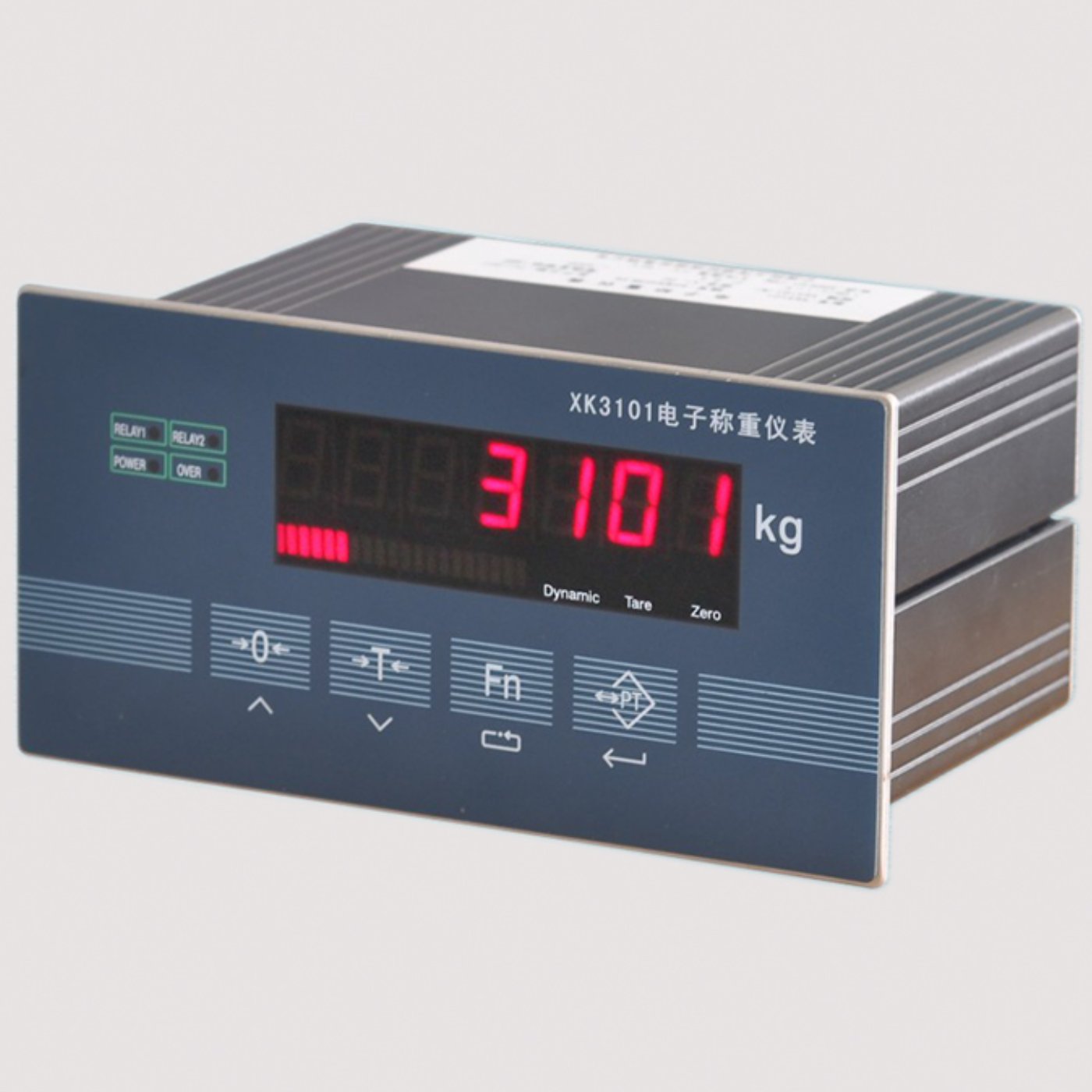
If cement, fibre and sand are dosed by scales, their readings must be checked regularly with check weights. An error in the scales is an error in the composition of the mass on every shift.
What can be given to an outside laboratory
- frost resistance and water tightness (periodic, long);
- full analysis of cement (activity, fineness), if the cement plant does not provide reports;
- radiation control of raw materials, which GOST 30340 requires;
- arbitration tests in a dispute with a buyer.
Choose a laboratory accredited for the methods you need. It is worth checking the accreditation in the register of your country's accreditation body.
How we do it
- From the photo, dimensions and the passport of the unit, we look for the item at the manufacturing plant. What we find, with the price, photos and specifications, we send before the order.
- We inspect the lot at the plant before shipment: part number, dimensions, lot, packaging.
What this article relies on
Below are the documents and materials we refer to, so that you can check what is said for yourself.
Standards and documents
- GOST 30340-2012 "Chrysotile-cement corrugated sheets. Specifications", the section on control methods (test equipment by type), acceptance rules, test logstext ↗
- GOST 18124-2012 "Chrysotile-cement flat sheets. Specifications", test methodstext ↗
- GOST 310.3-76 "Cements. Methods of determining normal consistency, setting times and soundness"text ↗
- ISO 5267-1 "Pulps — Determination of drainability — Part 1: Schopper-Riegler method", standard record (SIS)text ↗
Reference materials
- Rybyev I. A. "Building Materials Science" (Строительное материаловедение), section "Fundamentals of asbestos-cement product manufacturing": opening, slurry concentration, requirements for cementstudme.org ↗
The norms for raw materials and mass differ for each line; follow the plant's process regulations.