Cement silo: bridging, aeration, filter. What to maintain
Cement in a silo bridges or drains through a narrow funnel when it cakes and gets no air from below. Aeration bottoms and bridge breakers work against this. The filter on the roof lets air out during loading, the safety valve protects the shell from pressure and vacuum, and the screw feeds cement to the dosing unit. These are the units that are maintained.
In short
5minutes to read
8sections
6sources
3catalog items
In this article
Contents
Cement in a silo bridges when it cakes and stops flowing: an arch forms over the outlet, or the cement comes out through a narrow funnel in the center while it stands along the walls. Against this, aeration bottoms or pads are installed in the silo cone, through which dry air is supplied, and, as an extra option, bridge-breaking devices. On the silo roof there is a filter that lets air out during pneumatic loading and holds back the dust, and a safety valve that keeps the shell from bursting under pressure or collapsing under vacuum. Below, a screw feeds cement to the scales. It is these units that are maintained first of all: aeration, filter, valve, screw and level sensors.
What the chief mechanic and the buyer should decide
- The silo passport. Where it is, and which filter, valve, aeration and level sensors are installed: the model and the manufacturer. Without this a replacement cannot be selected.
- What to keep in stock. Filter elements (bags or cartridges), valve diaphragms and gaskets, aeration pads, screw seals and bearings.
- Who goes inside, and how. Work inside a silo is work in a confined space. The entry permit procedure must be written down before it is needed.
Why cement bridges
- Moisture. Damp aeration air or a leak through the roof and hatches: the cement cakes and sets into a crust.
- Caking. Cement that stands for a long time compacts under its own weight, especially at the walls of the cone.
- No air from below. A clogged or torn aeration pad, a weak blower or compressor: the cement at the outlet is not loosened.
- Wrong discharge. If cement is always drawn from the center, a dead zone remains around it and hardens over time.
Signs: cement feeds to the scales in jerks, the scales are slow to reach the dose, and tapping on the cone reveals a void above the outlet.
Aeration
Aeration pads are porous or membrane elements in the cone. A small amount of air is fed through them into the cement, and it begins to flow. The air must be dry and free of oil, which is why the compressed air dryer matters here. What to check:
- the air pressure at the pads on the gauge: a drop at the same supply points to a breakthrough, a rise to clogging;
- the blower or the line from the compressor, and the supply valves by section;
- check valves, so that cement does not get into the air pipes.
In a report by the US Mine Safety and Health Administration (MSHA) on the death of a worker when a silo roof collapsed, the causes named include faulty aeration, a large funnel in the cement and level sensors that did not work and were left unrepaired for a long time. This is an example of what deferred maintenance leads to.
The filter on the roof
During loading from a cement truck the air leaves through the filter. If the filter is clogged, pressure in the silo rises, dust escapes through the valve and seals, and the truck unloads slowly. What to check:
- the pressure drop across the filter, if there is a gauge;
- the operation of the pulse cleaning: valves, diaphragms, receiver;
- the condition of the bags or cartridges and their seals.
A patent on cleaning a silo filter describes it this way: as the bags get dirty, their resistance and the pressure in the silo rise, and the strong blow-through of the line at the end of loading contributes considerably to the safety valve opening and dust being released. So the bags are cleaned before the final blowing through of the line.
The safety valve
The valve protects the shell from excess pressure during loading and from vacuum during discharge. A spring valve holds the set values with springs; diaphragm versions exist too. What to check:
- that the valve cover moves freely and has not stuck in cement;
- seals and springs;
- the actuation sensor, if fitted.
A valve that throws dust at every loading is a sign not of a bad valve but of a clogged filter or an overfilled silo.
Screw, sensors, hatches
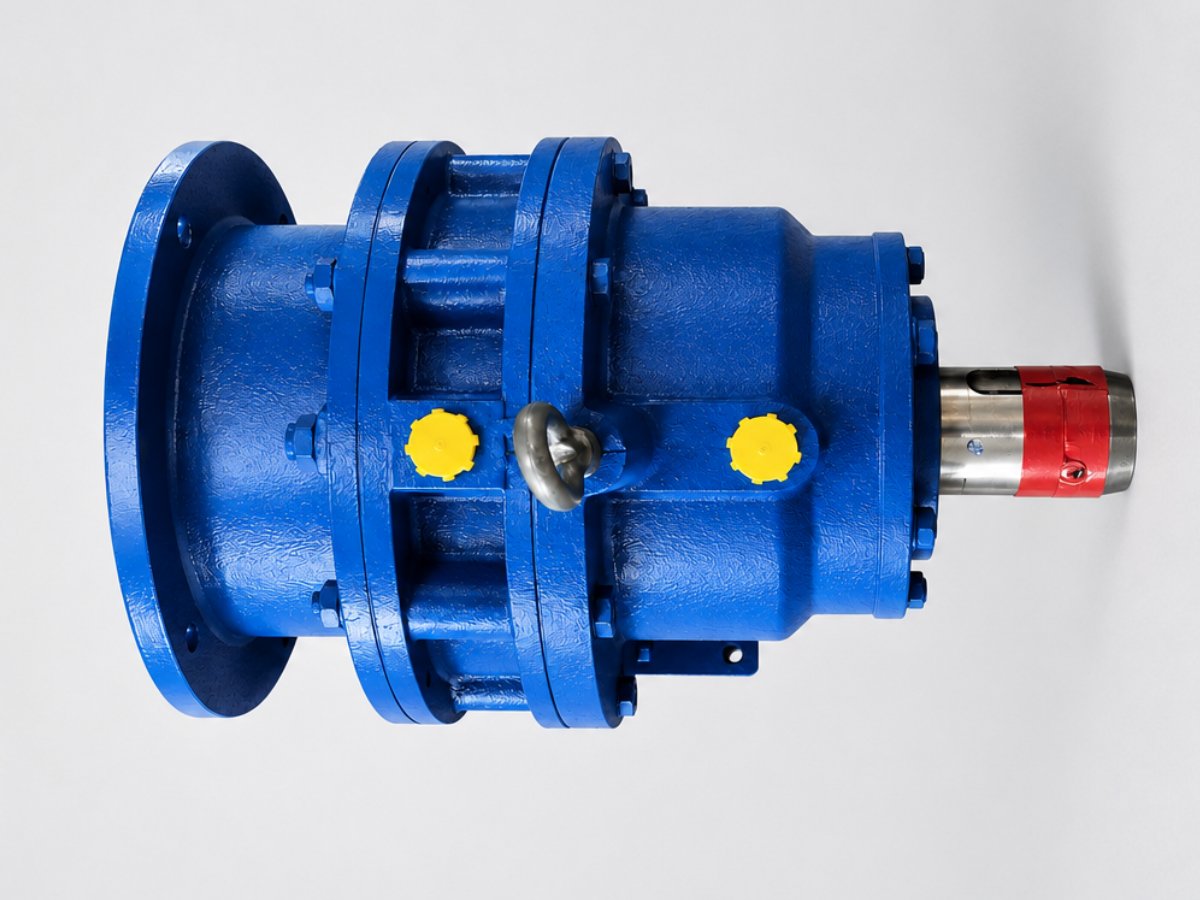
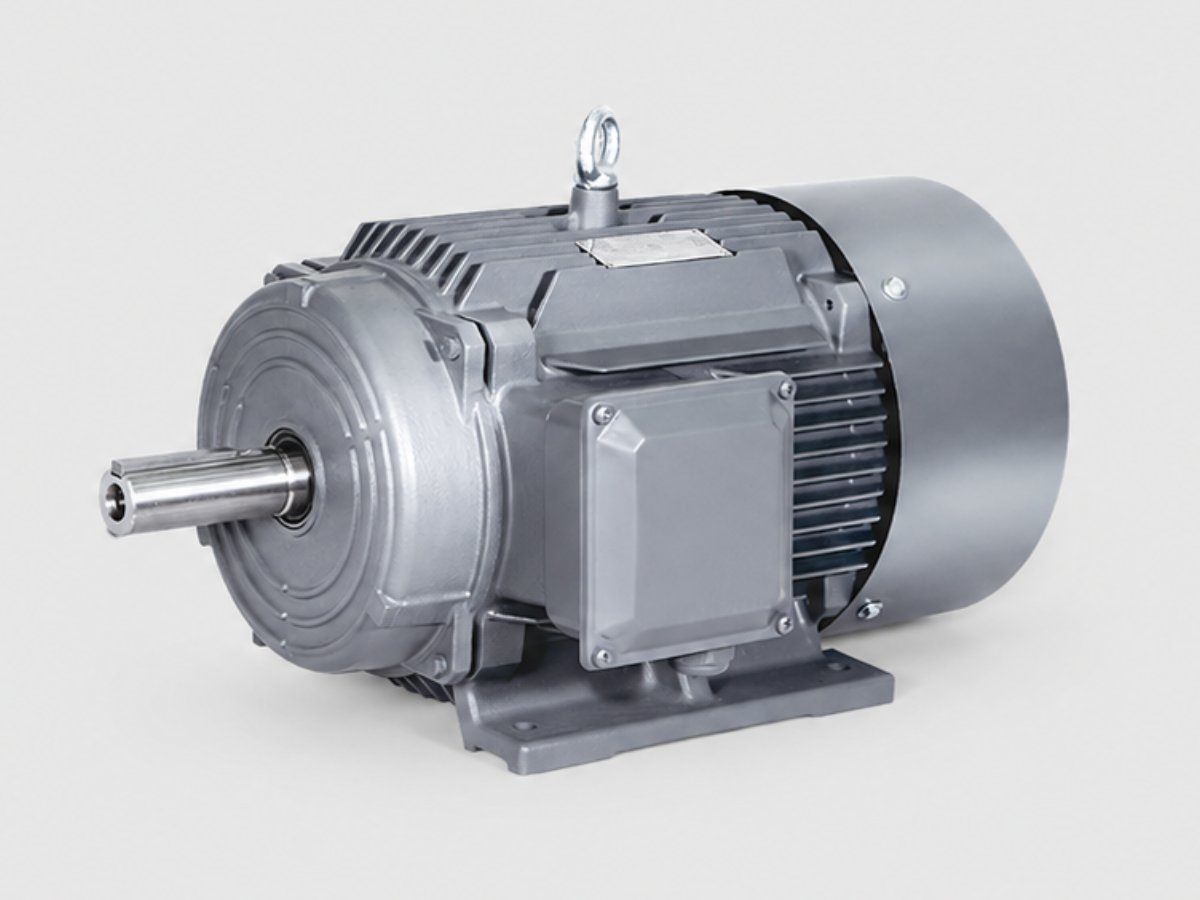
- Screw: bearings and seals of the end supports, intermediate hanger supports, the gear motor. Cement dust quickly ruins lubricant, so the intervals are shorter than in a clean shop.
- Level sensors: the upper one protects against overfilling during loading, the lower one signals that the cement is running out.
- Hatches and roof: seals, so that water does not get in.
Safety
Bridged cement is broken up from outside: by aeration, a bridge breaker, a vibrator. Going into the silo to bring down an arch is dangerous: the cement may collapse onto a person. Entry is only under a confined-space work permit: the silo is switched off and locked out, the air is checked, and an attendant stands outside.
How we do it
- From the photo, dimensions and the passport of the unit, we look for the item at the manufacturing plant. What we find, with the price, photos and specifications, we send before the order.
- We inspect the lot at the plant before shipment: part number, dimensions, lot, packaging.
What this article relies on
Below are the documents and materials we refer to, so that you can check what is said for yourself.
Standards and documents
- MSHA, fatality report FO2012-M12: collapse of a silo roof, faulty aeration, a funnel in the material, level sensors that did not worktext ↗
Reference materials
- ZZBO, description of the SC-32 cement silo (СЦ-32): aeration and bridge breaking when feeding is difficult, filter and overpressure sensoren.zzbo.ru ↗
- Patent US 4726820 "Process for cleaning the dust filter of a silo": dirty bags raise the pressure in the silo; blowing through the line at the end of loading and the safety valve openingimage-ppubs.uspto.gov ↗
- WAMGROUP, silo safety valves VCP and VHS-C (catalog of Jamieson Equipment and DirectIndustry): spring and diaphragm valve, protection against pressure and vacuumdirectindustry.com ↗
- Dust Arrest, "Controlling dust in cement and aggregate storage silos": pressure drop across the filter, overfilling and dust release through the valvedustarrest.com ↗
- OxMaint, "Cement Silo Safety Inspection & Confined Space": work inside a silo as confined-space work, mechanical breaking of an archoxmaint.com ↗
Aeration pressures and valve settings are not given here: every silo has its own, stated in its passport.