Compressed air on the line: compressor, dryer and leaks
A slate plant needs compressed air for demolding and the stacker, for the line's pneumatic cylinders and valves, for blowing filters and for aeration of cement silos. The air must be dry and clean, otherwise water and oil ruin the pneumatics, and in a silo damp air cakes the cement. Hence three concerns: the compressor, the dryer with filters, and finding leaks.
In short
4minutes to read
7sections
5sources
3catalog items
In this article
- 01What the chief mechanic and the buyer should decide
- 02Who consumes air on a slate line
- 03What the air purity classes are
- 04Dryer and filters
- 05Leaks
Contents
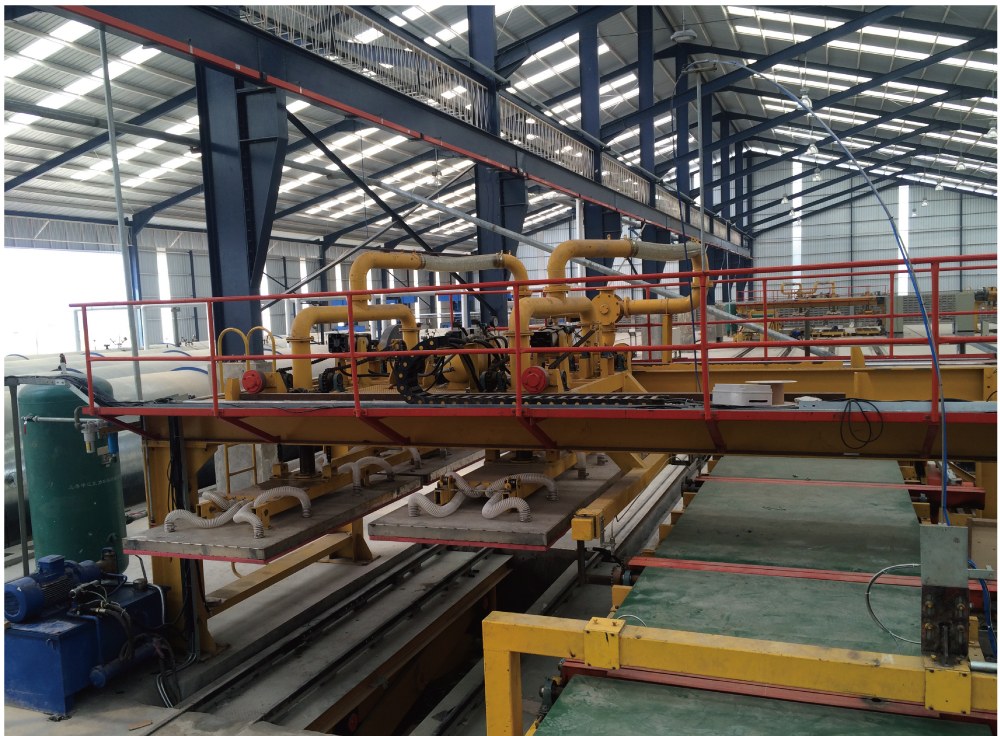
Compressed air at a slate plant is a resource like steam and water. It is taken by the demolding machine and the stacker, by the line's pneumatic cylinders and valves, by the pulse cleaning of filters on the silos, by the aeration of cement in the silos, and by blow-off and hand tools. What matters is not only how much air, but what kind: water and oil in the air spoil valves and cylinders, and in a silo damp air cakes the cement. So the system is a compressor, a receiver, a dryer, filters and a pipe network. And the main quiet consumption in it is leaks.
What the chief mechanic and the buyer should decide
- Who consumes. Draw up a list of consumers and their requirements for the air: pressure, purity, dryness. Silo aeration and valve pneumatics require dry air without oil.
- Whether there is a reserve. If there is one compressor and it stops, demolding, the stacker and cement feeding stop. A reserve compressor, or at least a stock of parts for the main one, is the owner's decision.
- What to keep in stock. Filter elements, oil separator, belts, condensate trap valves, seal kits for pneumatic cylinders and distributors.
Who consumes air on a slate line
| Consumer | Why air | What bad air threatens |
|---|---|---|
| Demolding machine | pneumatic cylinders and grip valves, if the machine has a pneumatic drive | sticking valves, weak grip, sheet breakage |
| Stacker and transfer units | pneumatic cylinders and grippers | jerks, cylinder short stroke, cycle failure |
| Line valves and gates | pneumatic actuators | valve does not open or close |
| Cement silos | aeration, filter cleaning | cement caking, bridging, clogged filter |
| Blow-off, tools | cleaning, repair | oil and water on the product and parts |
The exact list is different on each line; check it against the pneumatic diagrams of the machines.
What the air purity classes are
The international standard ISO 8573-1 describes the purity of compressed air by three contaminants: solid particles, water and oil. Each gets its own class, and the lower the class number, the cleaner the air. A record of three digits, for example [1.2.4], means the class for particles, for water and for oil. For water the class is set by the pressure dew point: to what temperature the air in the network can be cooled before water drops out of it.
The practical meaning: what class your consumers need is stated by the machine manufacturers in the pneumatics passports. The dryer and filters are chosen for that class.
Dryer and filters
After compression the air is hot and saturated with moisture. Cooling in the pipes, it gives up water, which collects at low points, rusts the pipes, washes the grease out of cylinders and in winter freezes in valves. Rust from steel pipes and receivers itself becomes a source of particles.
- A refrigerated dryer cools the air and drains the condensate. It suits if the network does not pass through frost.
- An adsorption dryer gives a lower dew point. It is needed where pipes run through the cold or the consumer requires very dry air.
- Filters before and after the dryer hold back particles and oil. Filter elements are replaced by pressure drop or by the passport.
- Condensate traps on the receiver, the dryer, the filters and at the low points of the network must work; checking them is as important as the dryer itself.
Leaks
According to the US Department of Energy and the Compressed Air Challenge program, in a badly maintained network leaks take a noticeable share of everything the compressor produces; in a well-maintained one, noticeably less. A leak is a compressor running for nothing, and pressure that is missing at the far end of the shop.
How to look:
- Walk the network when the line is stopped and the compressor is running: leaks can be heard.
- Soapy solution on joints, quick couplings, hoses, distributors.
- An ultrasonic leak detector finds leaks even on a running, noisy line.
- Tag every leak found and record it, then eliminate it and check again.
The most frequent places: quick-release couplings, hoses at moving units, cylinder seals, condensate drains left open.
Compressor: what to maintain
- the intake air filter, which clogs faster in cement dust;
- oil and the oil filter, the oil separator in screw compressors;
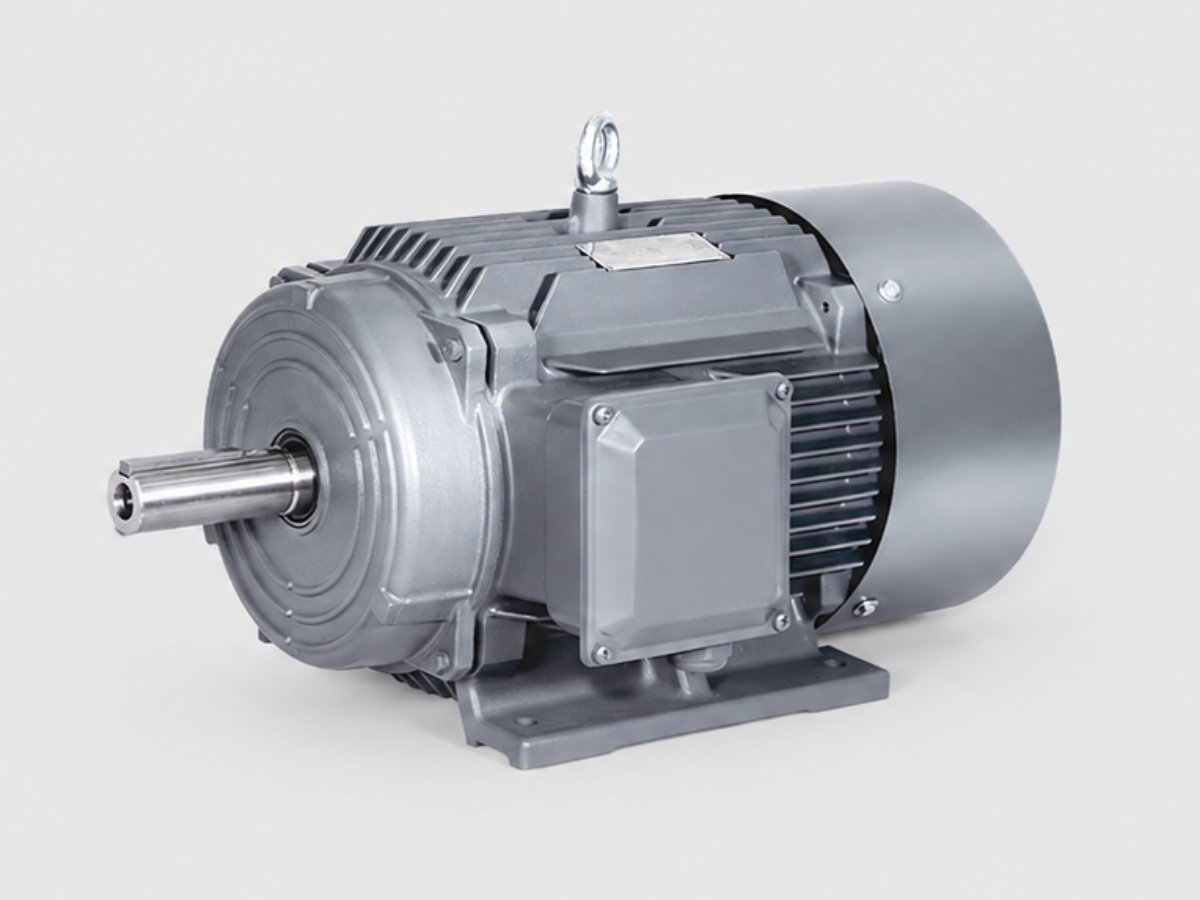
- drive belts and coupling, the electric motor;
- cooling: the radiator is blown out of dust, otherwise the compressor overheats in summer;
- operating log: hours, pressure, temperature, protection trips.
How we do it
- From the photo, dimensions and the passport of the unit, we look for the item at the manufacturing plant. What we find, with the price, photos and specifications, we send before the order.
- We inspect the lot at the plant before shipment: part number, dimensions, lot, packaging.
What this article relies on
Below are the documents and materials we refer to, so that you can check what is said for yourself.
Standards and documents
- ISO 8573-1:2010 "Compressed air — Part 1: Contaminants and purity classes", as retold in an Atlas Copco review: the three kinds of contaminants, the classes, the class notationtext ↗
- US DOE and Compressed Air Challenge, "Improving Compressed Air System Performance: A Sourcebook for Industry", Fact Sheet No. 7 "Compressed air system leaks", as summarized by Reliamagtext ↗
Reference materials
- EXAIR, "Air Quality Classes: ISO 8573-1": particles, water, oil; rust from steel pipes and receivers as a source of particlesblog.exair.com ↗
- UE Systems, ultrasonic energy conservation guide: the leak-hunting cycle of survey, location, tagging, recording, repair and verificationtester.co.uk ↗
- Plant Engineering, "Using ultrasonics to locate compressed air leaks"plantengineering.com ↗
For the pressures, classes and dew point for your line, see the passports of the machines and the compressor; the figures are deliberately not given here.