Stacker, conveyors, roller tables: what gets replaced most often
On the stacker, belt conveyors and roller tables of a slate line, the things replaced most often are belts and conveyor belting, drive chains and sprockets, rollers and their bearings, suction cups, pneumatic cylinder seals and position sensors. All of these are standard parts: they can be recorded by marking and dimensions and kept in stock without waiting for a failure.
In short
5minutes to read
4sections
6sources
4catalog items
In this article
On the stacker, belt conveyors and roller tables of a slate line, the same things are replaced most often: belts and conveyor belting, drive chains and sprockets, rollers and their bearings, suction cups, pneumatic cylinder seals and position sensors. These are not unique parts of the machine but standard products. You can record them once by marking and dimensions, make a list and keep them in stock. Then the failure of a roller or a sensor costs minutes, not days.
Where these machines are on the line
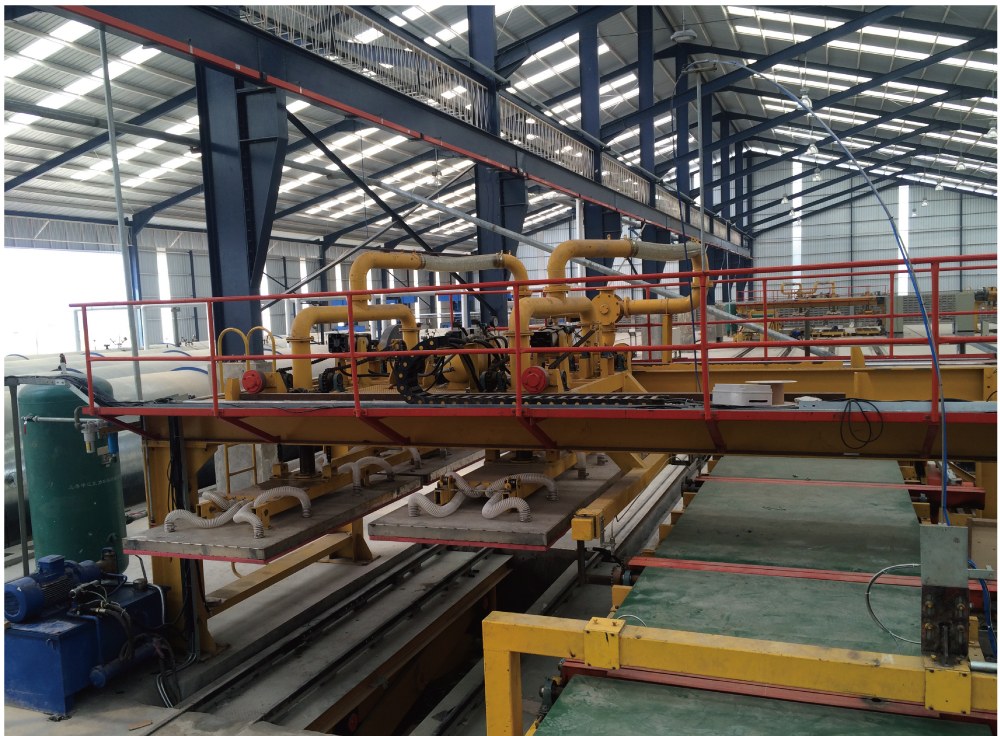
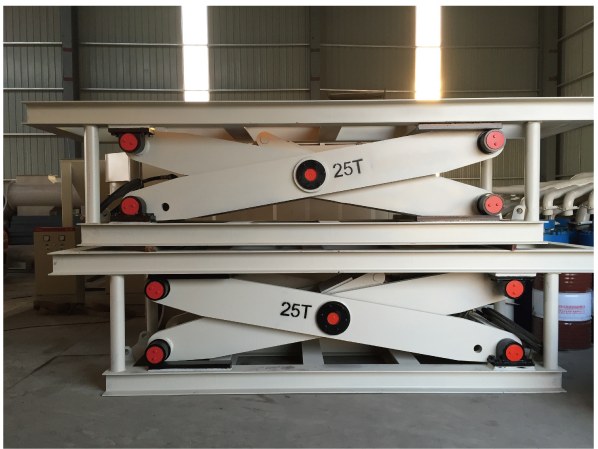
After the forming machine, the ribbon of raw sheet goes by belt conveyor to cutting. The stacker builds the stack: a vacuum suction cup lays a pallet or template, then the sheet's suction cup lays a sheet on it, and so on in a loop. The stack goes for curing, and after demolding the pallets return to the stacker along the roller table. A lifting table under the stacker and the demolding machine holds the stack at a convenient height. All of this is controlled by a controller, while the movements are provided by servo drives, gearboxes, pneumatic cylinders and vacuum.
The conditions are harsh: water, cement slurry, dust, the heat of the chambers. So what mostly wears is what moves and comes into contact with the dirt.
What wears and how to record it for an order
Conveyor belting and belts
The belting under the raw sheet is abraded, cut by edges and stretched; tears appear at the splice. Drive V-belts and toothed belts stretch, crack and lose teeth.
To order belting: width, length as a loop, thickness, material and coating, type of splice (vulcanized, mechanical fastener). For a belt, the inscription on its back: profile and length, and for a toothed belt, pitch and width. How to read belt marking is covered in a separate article.
Chains and sprockets
The chains of roller tables and drives elongate from wear of the joints, and the sprockets get a "hooked" tooth. Putting a new chain on worn sprockets is bad: it will wear faster. To order: the pitch and number of the chain, number of strands, length in links, type of connecting link; for a sprocket, the number of teeth and the fit. Details are in the article on chain marking.
Rollers and bearings
A roller that does not turn by hand, turns stiffly or wobbles on its axle is a candidate for replacement: a seized roller wears through the belting or scratches the pallet. Squeaking and squealing is almost always a bearing. Roller tables often have pillow block bearings with a spherical insert (housings of the UCP and UCF type); the insert is replaced without changing the housing. To order: the marking of the bearing or insert, the shaft diameter, the housing type; for a roller, the diameter, length, axle and its mounting.
Drives and gearboxes
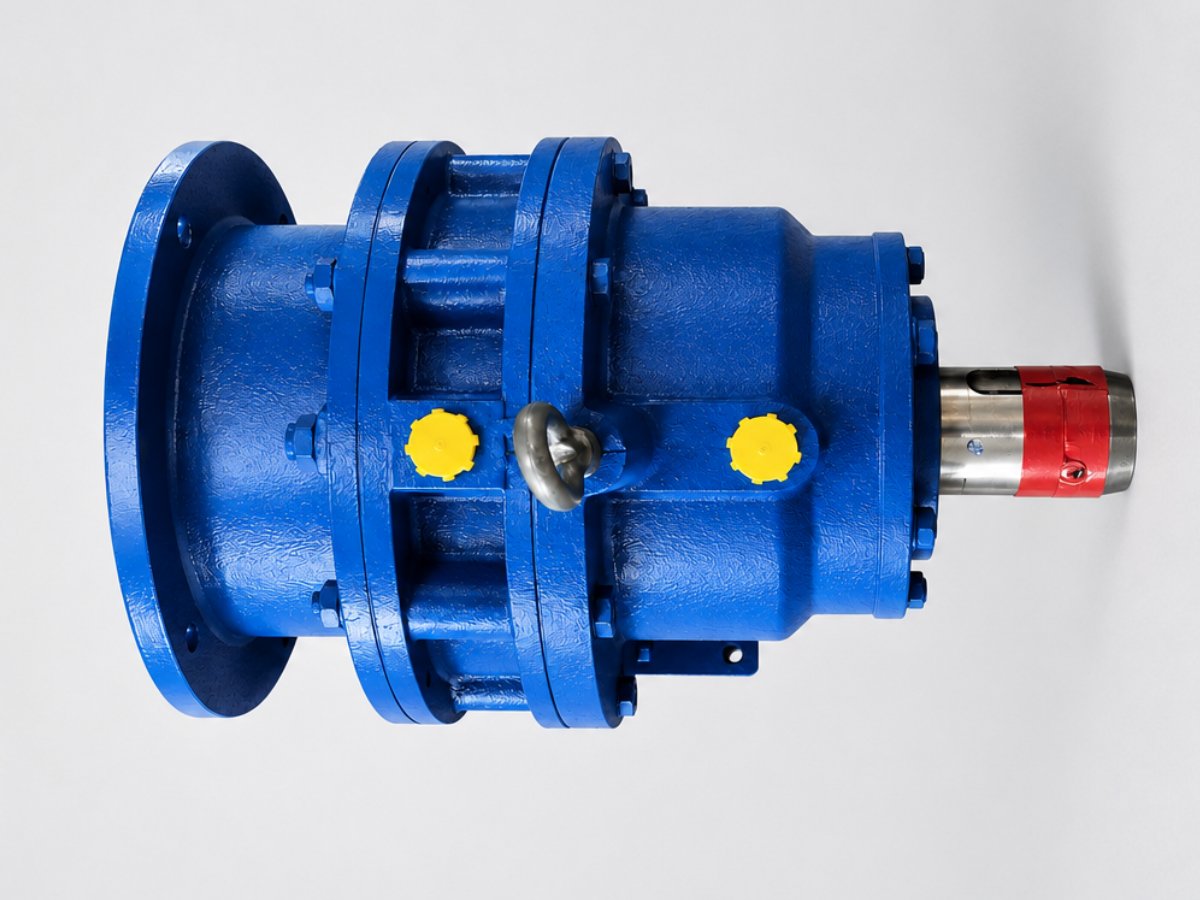
Geared motors of conveyors and servo drives of the stacker work in dust and moisture. Oil leaks, noise and heating of the gearbox are a reason to look at the seals and bearings. To order: the gearbox nameplate (type, ratio, power) and the motor nameplate.
Pneumatic cylinders and pneumatics
The rod and piston seals wear from dust on the rod. Signs are air leaks and a slow or jerky stroke. Usually a seal kit is replaced, not the whole cylinder. To order: the inscription on the cylinder (manufacturer, series, piston diameter, stroke). Many cylinders are made to the ISO 15552 standard: they have standard mounting dimensions, and choosing a replacement is easier. A seal kit is chosen by piston diameter, rod diameter and seal material. Separately look at the directional valves, filters and water separators: dirty air speeds up wear.
Suction cups and vacuum
The rubber of suction cups hardens and cracks at the edge. Details are in the article on the demolding machine: the stacker has the same suction cups and the same problems.
Sensors
Inductive and optical position sensors get dirty and knocked out of place by impact, and their cable chafes through. A sensor fault upsets the cycle of the whole machine. To order: the inscription on the body, the body thread, the sensing distance, the voltage, the output type and the connector.
How to make a stock list
- Walk around the stacker, conveyors and roller tables and write down all belts, chains, bearings, gearboxes, cylinders and sensors with their markings. Photograph the nameplates.
- Group identical items: roller tables usually have many identical rollers and bearings.
- Note what failed most often over the last year, from the repair log.
- Keep these items in stock in a quantity sufficient until the next delivery.
Such a list is the basis of an order for a seasonal stock. How to put it together is covered in the article on the seasonal spare parts kit.
How we do it
- From a list with markings and photos, we look for the items at the manufacturing plants and send what we find, with the price, photos and specifications, before the order.
- A stacker, a lifting platform, bearing inserts and a gearbox are in the catalog.
- We inspect the lot at the plant before shipment: marking, dimensions, quantity, packaging.
What this article relies on
Below are the documents and materials we refer to, so that you can check what is said for yourself.
Reference materials
- taminota.com catalog, three-position stacker: belt conveyor, vacuum suction cups for the pallet and the sheet, controller-based control as described by the manufacturing plant; a lifting platform; NSK UC210D1 bearing insert for UCP/UCF housings.
- Oxmaint, "Conveyor Belt Maintenance Checklist for Manufacturing Plants": checking rollers by hand, bearing noise, belt tracking, drum lagging wearoxmaint.com ↗
- Fabrico, "Conveyor belt tracking problems": causes of belt drift: buildup on rollers, misaligned rollers and drums, the splicefabrico.io ↗
- Rowse Pneumatics, "ISO 15552 Pneumatic Cylinders Guide": standard mounting dimensions and piston diametersrowse-pneumatics.co.uk ↗
- ISO 15552:2018, preview page (ANSI): scope of the standardwebstore.ansi.org ↗
- Articles in the Knowledge section: belt marking, chain marking, bearing marking.