Thickness sensor on the format drum: which one and why
On a Hatschek machine the sheet thickness builds up from turns of film on the format drum. It is controlled in two ways: by counting turns or drum revolutions, and by directly measuring the thickness with a sensor, a contact roller or a non-contact sensor. On some modern lines the sensor sends a signal to the controller, which adjusts the slurry feed itself. What fails in a sensor is the mechanics, dirt and the cable.
In short
5minutes to read
7sections
4sources
4catalog items
In this article
- 01What the chief engineer and the buyer should decide
- 02Why counting turns is not enough
- 03How the sensor works
- 04What it gives the operator
- 05What fails
Contents
On a Hatschek machine the sheet is built up on the format drum from thin films, turn after turn. When the layer on the drum reaches the required thickness, it is cut and removed. The thickness on the drum is controlled in two ways. The first is indirect: the turns or revolutions of the drum are counted, on the assumption that each turn adds about the same film. The second is direct: a thickness sensor measures the layer on the drum or the green sheet. The sensor is either contact (a roller or a probe that lies on the layer) or non-contact (for example, optical). On some modern lines the sensor signal goes to the controller, which itself adjusts the ratio of slurry to water if the thickness leaves the range.
What the chief engineer and the buyer should decide
- What is installed on your line. Only a revolution counter, a sensor with a readout for the operator, or a sensor in an automatic control loop. What to order depends on this.
- Whether an upgrade is needed. If the thickness wanders from sheet to sheet and the operator learns about it only at quality control, it is worth looking at a sensor with a panel readout. Whether it is needed will be shown by the defect records by shift: what share of defects comes from uneven thickness.
- Stock. The sensor itself or its sensing element, the roller or probe, the cable, the analog input module of the controller.
Why counting turns is not enough
Counting turns works as long as the film on each turn is the same. But its thickness depends on the slurry concentration in the vats, on the condition of the screens and felt, and on the vacuum. If the slurry has become thinner, then for the same number of turns the sheet will come out thinner. A patent on fibre-cement products describes exactly this: the required layer thickness is obtained by the number of films wound onto the drum, or by the duration of the forming stage. That is, counting turns sets the thickness only at a constant film.
A direct sensor sees the actual thickness and catches changes at once, not at acceptance.
How the sensor works
Contact
A roller or probe is pressed against the layer on the drum or against the green sheet. The travel of the roller is passed through a lever and a spring to a transducer, which produces an electric signal. The advantage is simplicity and an understandable reading. The drawback is mechanics: the roller wears, slurry sticks to it, the axle and spring seize, and the sensor starts to "lie".
Non-contact
An optical or other non-contact sensor measures the distance to the surface of the layer. It does not touch the wet film and leaves no mark, but it is disturbed by splashes, steam, slurry caked on the sensor window and vibration of the mounting.
What the controller does
The sensor signal goes through an analog input module to the controller. The operator sets the thickness for the product on the panel. The description of the slate line control system from our catalog says exactly this: the system regulates the ratio of suspension to water by the actual thickness of the blank and, when the thickness leaves the range, adjusts it automatically.
What it gives the operator
- the thickness of each sheet on the screen, not after cutting;
- a signal when the thickness has left the range;
- a record of thickness by sheet, which is convenient to compare with the defect records by shift;
- fewer manual measurements with a caliper on the green sheet.
What fails
| Sign | What to check |
|---|---|
| Reading "drifts" with no change in the sheet | slurry caked on the roller or window, sensor mounting |
| Reading stands still | seizing of the roller or probe, broken cable, controller input |
| Jumps in readings | bracket vibration, interference on the cable, connector |
| Sensor shows normal, quality control finds uneven thickness across the width | the sensor measures one point; unevenness across the width comes from the screen, felt, vacuum |
The last case is important: one sensor sees the thickness in one place. If the sheet is thicker at one edge, the cause is looked for in the screens, felt and vacuum boxes; for details see the article on uneven thickness.
What to attach to a request
- A photo of the sensor and its nameplate: manufacturer, model, range, output signal.
- A photo of the mounting and of the place of installation on the machine.
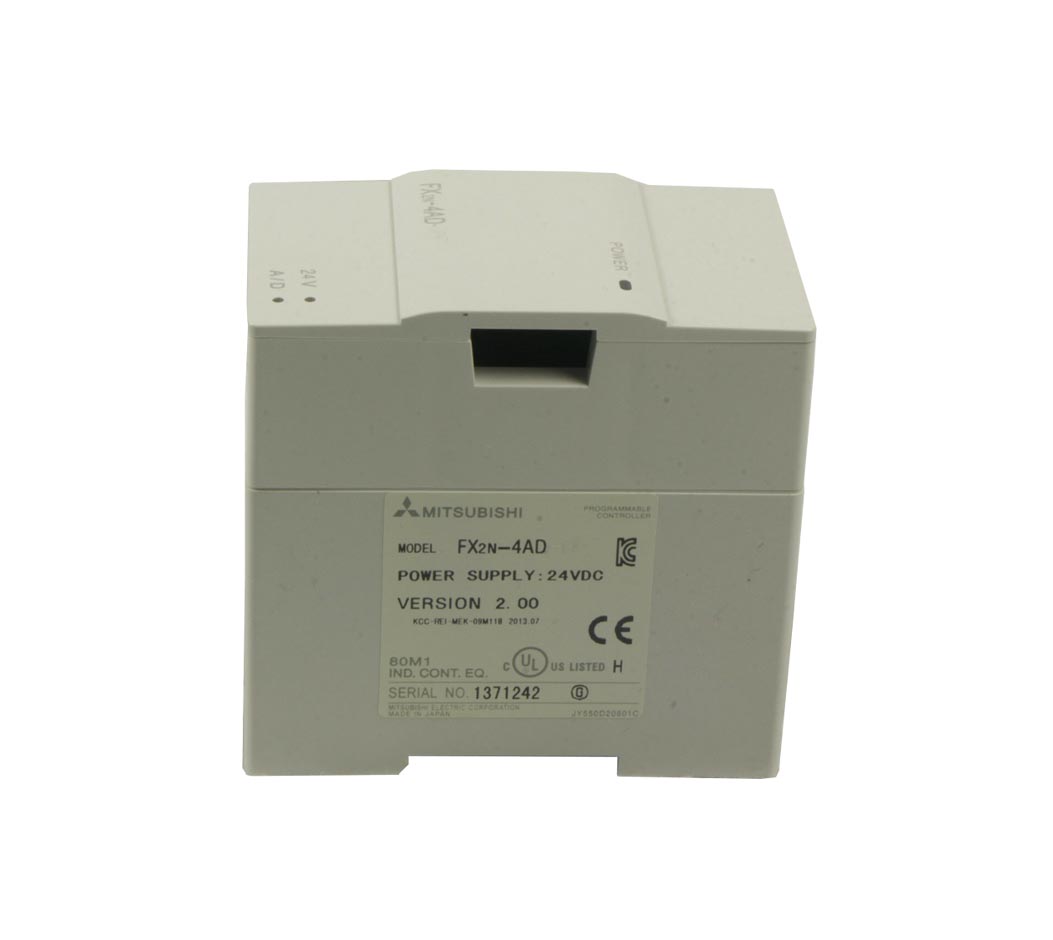
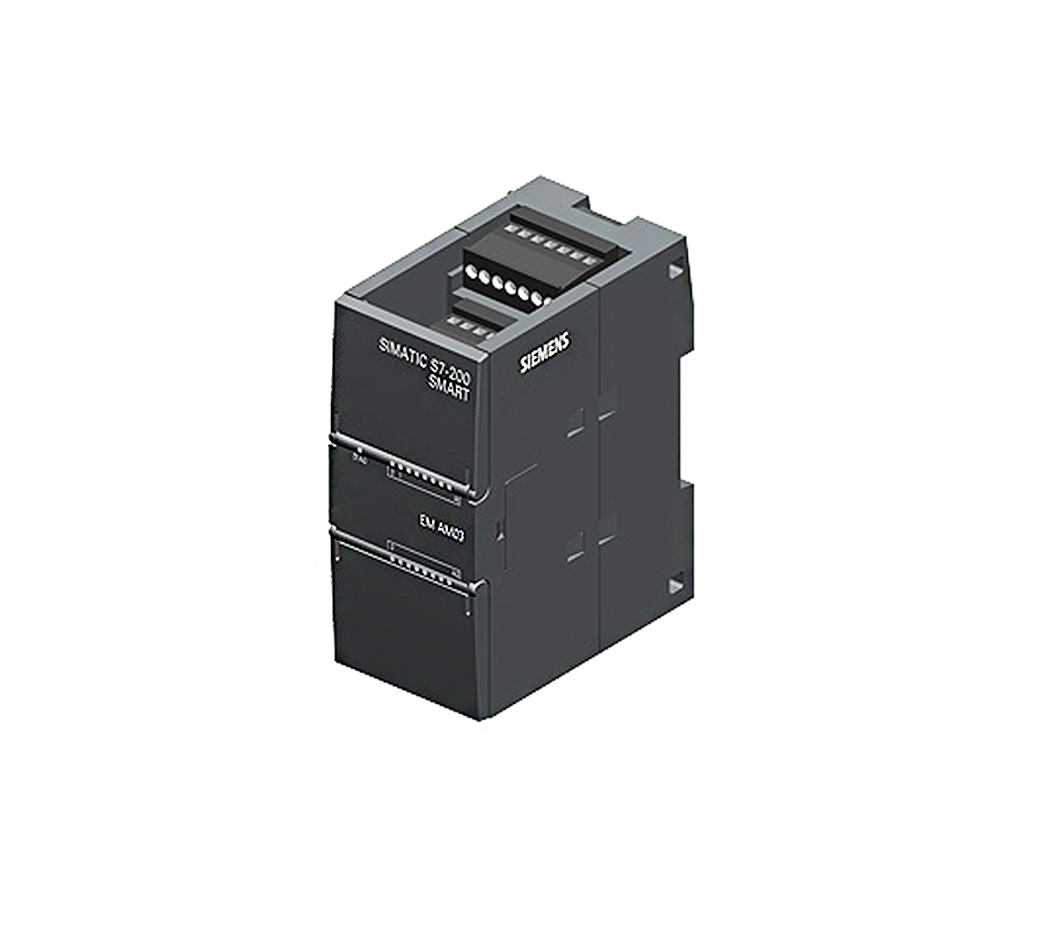
- The model of the controller and of the module the sensor is connected to.
- If there is no sensor and one is to be installed: the width of the machine, the diameter of the format drum, which product, and which controller is installed.
How we do it
- From the photo, dimensions and the passport of the unit, we look for the item at the manufacturing plant. What we find, with the price, photos and specifications, we send before the order.
- Where the answer has to come from the plant (the composition of the system, the program, commissioning), we ask the plant and pass on its word.
What this article relies on
Below are the documents and materials we refer to, so that you can check what is said for yourself.
Reference materials
- Rybyev I. A. "Building Materials Science" (Строительное материаловедение), section "Fundamentals of asbestos-cement product manufacturing": the layer on the format drum is cut and removed when it reaches the required thicknessstudme.org ↗
- Patent US 12227456 "Fiber cement products and methods for the production thereof": layer thickness is set by the number of films on the drum and the duration of the forming stagepatents.google.com ↗
- Patent US 4777729 "Thickness measuring apparatus for sheet material": a contact measuring roller with a transducer of displacement into a signalpatents.google.com ↗
- taminota.com catalog: slate line control system and a line using the Hatschek method, manufacturer's description (electronic thickness gauge, regulation of the suspension-to-water ratio by actual thickness).
The design of the sensor differs between manufacturers; for the range and setup, see the passport of your control system.