PLC discontinued: what to replace it with and what about the program
There are three paths: find the same controller, fit a successor from the same brand, or rework the cabinet for a new series. Which one works is decided not by the hardware but by the program: whether you have a copy of it or not.
Updated
Contents
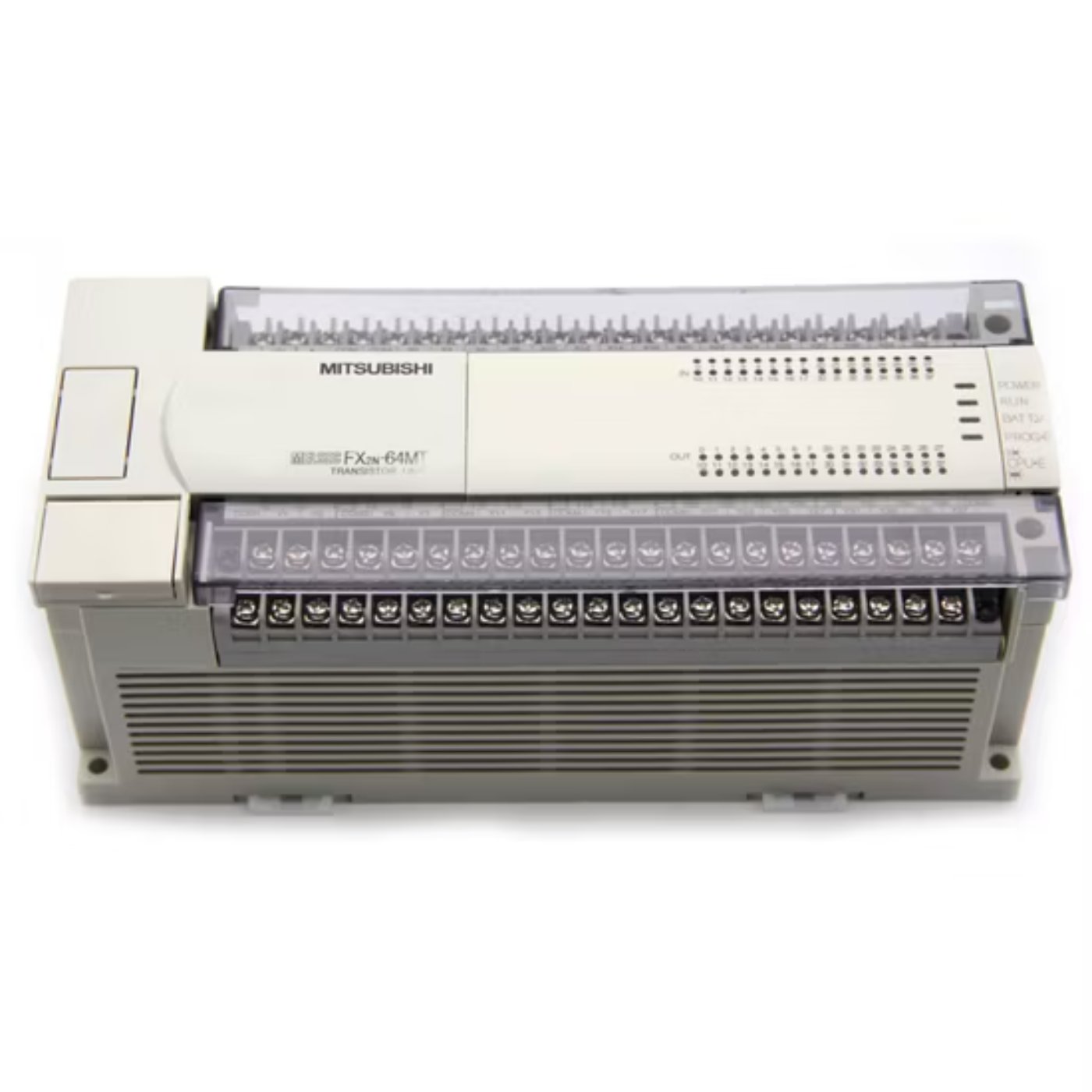
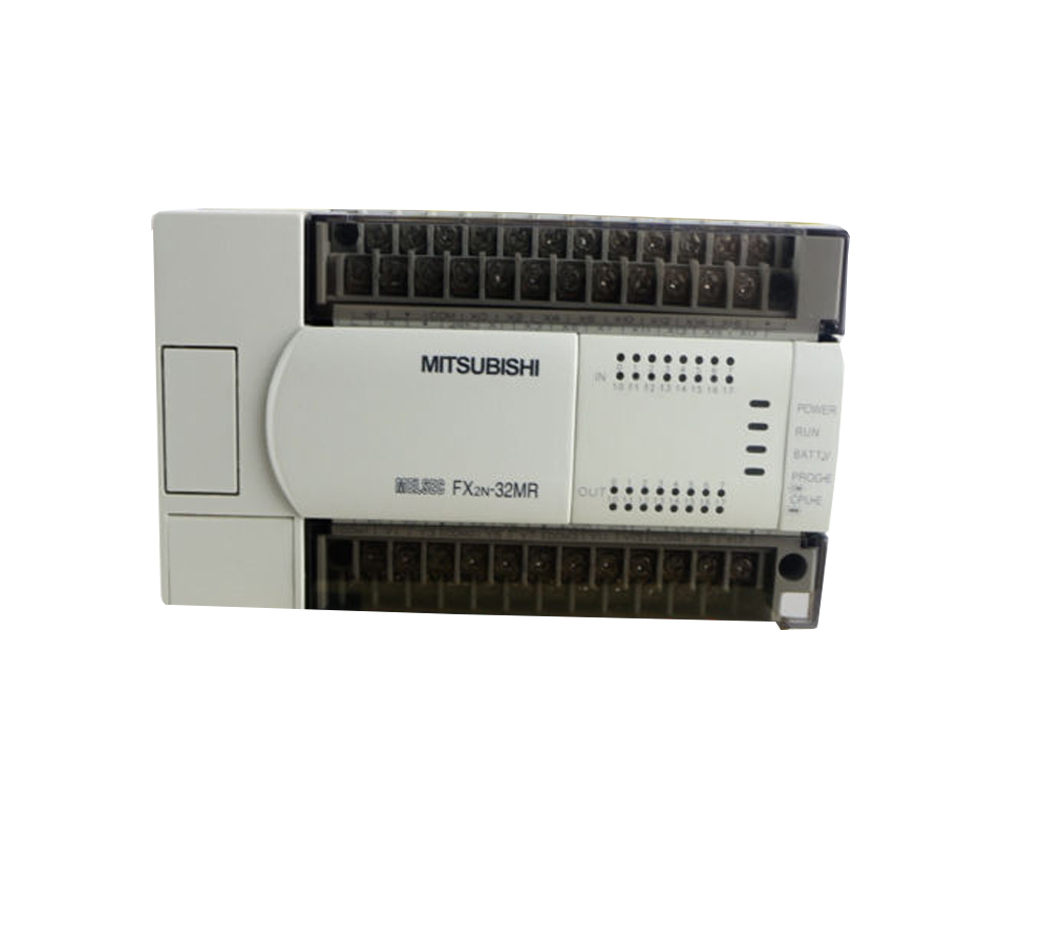
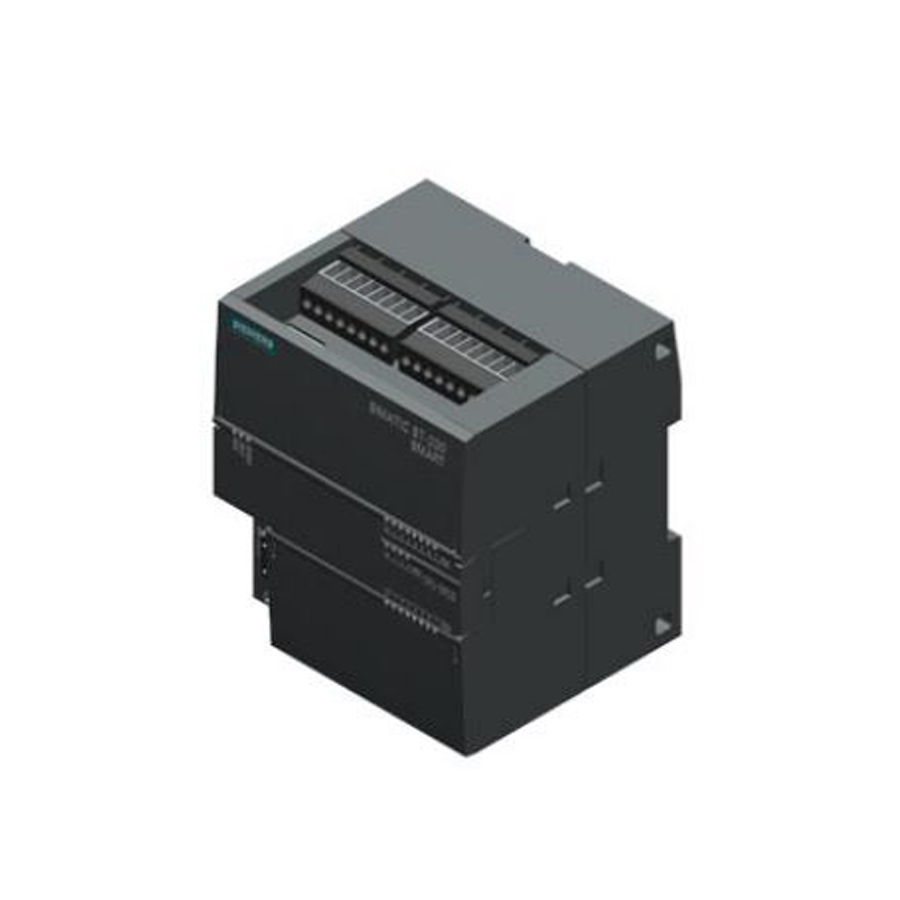
If the controller (PLC) on your line has been discontinued, you have three paths. The first is to find the same one: from stock, from a supplier, or refurbished. The second is to fit a successor from the same brand: for Mitsubishi FX2N this is FX3U or FX5U, for Siemens S7-200 it is S7-200 SMART or S7-1200. The third is to rework the control cabinet for a modern series. The choice is almost always decided by the program. If you have a copy of the program, a replacement takes days. If you do not, the replacement becomes a project with a commissioning engineer.
What "discontinued" means
The manufacturer announces a date after which it no longer makes new units. Repairs are usually accepted for several more years, but with a reservation: only while parts are available. When parts run out, repair is refused even before that date.
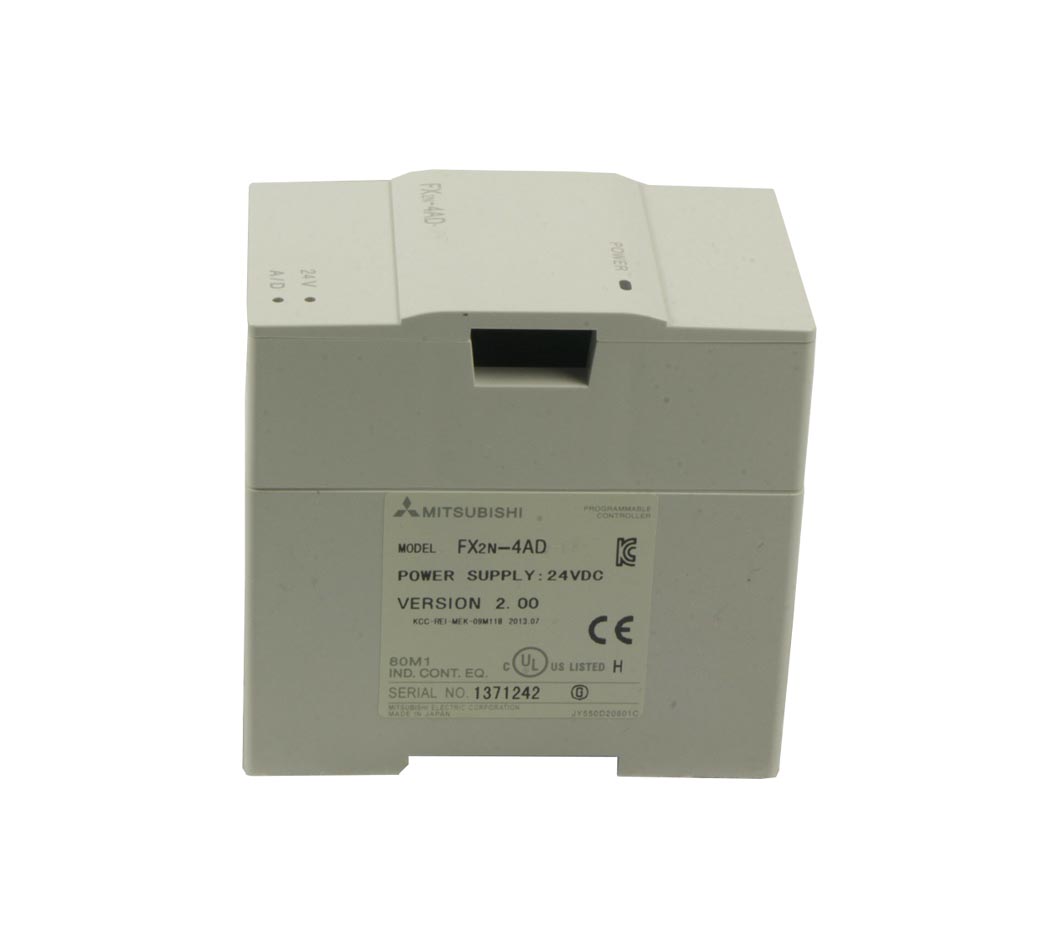
An example is Mitsubishi. According to the manufacturer's guide, the main FX2N units stopped being made in September 2012, and repairs were accepted until the end of September 2019. On Mitsubishi's European site the FX2N series is listed as discontinued, and service for it is no longer possible. Some FX2N expansion modules were made longer. Bulletin FAM-A-0054-A (August 2022) discontinues the analog and other units FX2N-2AD, FX2N-2DA, FX2N-5A, FX2N-8AD, FX2N-10PG and FX2N-32CCL: production ended on 31.12.2023, and repair is available until 31.12.2030 if parts last. The bulletin names the reason directly: the special chips can no longer be obtained.
The successor ages too. The same Mitsubishi site already shows an end-of-production date for the whole FX3 series. Siemens has announced that the first generation of S7-1200 will start being withdrawn from 1 November 2026. So when choosing a successor, look at its status too, not only at compatibility.
Check the status of a specific unit by its full part number with the manufacturer: at Mitsubishi in the technical bulletins and on the life cycle page, at Siemens in the product card in Industry Mall. The dates in this article were checked on 11 October 2026.
Three paths and when to use each
| Path | When it fits | What you risk |
|---|---|---|
| The same unit | the line is running and you need a spare, or one unit burnt out; the program exists | stock is finite; a refurbished unit has no factory history and no repair at the manufacturer |
| A successor from the same brand | old units are unavailable, the program exists, the cabinet can be modified | the program must be converted and tested; expansion modules often change together with the main unit |
| A new series, cabinet rework | the old series was discontinued long ago, there is no program, or the line is being modernized anyway | this is already a project: wiring diagram, program, commissioning, a line stop |
The first path is the fastest, but it only postpones the decision. If the cabinet holds a discontinued controller, it is sensible to keep one spare identical unit in stock and prepare the transition in parallel.
What happens to the program
The program is the logic of your line. It was written by the machine manufacturer or a commissioning engineer. It is stored in the controller's memory, and only there, if nobody saved a copy.
If you have a copy. Mitsubishi describes converting an FX2N program to the FX3 series in its GX Works2 environment: the program is read, the controller type is changed and the result is tested. FX2N instructions work in FX3U, but the manufacturer lists the places where behavior differs: initial settings, counters, battery, input filters. So after conversion the program is tested on the running machine. It will not simply "move over" by itself.
If you have no copy. Take one from the old controller while it is still alive. You need a cable, the programming software of the same brand and the person who did it before. If the controller has already burnt out, the program is rebuilt from the description of how the line works, from the wiring diagrams and from the operators' memory. This is the work of a commissioning engineer, not the replacement of a spare part.
Password protection is a separate matter. The machine manufacturer may have locked the program against reading. Then a copy cannot be taken without it.
Hardware: what to look at besides the program
A successor has different dimensions, connectors and wiring rules. The Mitsubishi guide for moving from FX2N to FX3U, for example, names:
- a different layout of the mounting holes;
- a different input wiring scheme: FX3U needs a jumper on the S/S terminal;
- a different battery and a different place to install it;
- not all FX2N expansion modules fit FX3U: some change together with the main unit.
Siemens is similar. The classic S7-200 is programmed in its own software, S7-1200 in another. There is no ready "one-button transfer"; the program is converted and tested.
So a request to replace a controller is not a single line. It needs the full part number of every unit in the cabinet, photos of the cabinet and information about the program.
What to attach to the request
- A photo of the nameplate of each unit: the main unit and all expansion modules. The full part number, including the letters after the digits. For FX2N, for example, the letters decide the output type: relay or transistor.
- A photo of the whole cabinet, showing how many units there are and how they are connected.
- Whether there is a copy of the program and in what software it was made.
- What happened: a unit burnt out, you are looking for a spare, or you are preparing a transition.
- What else is tied to the controller: operator panel, frequency converters, servo drives. Their link with the PLC also has to be checked during the transition.
How we do it
- From your photos and part numbers we look for the same unit or a successor at the manufacturer and its suppliers. We send you what we found before the order: part number, specifications, production status.
- If a unit is discontinued, we say so and show what the manufacturer offers as a replacement. Compatibility with your program is confirmed by the commissioning engineer, not by us.
- We check expansion modules, batteries and cables against the same list as the main unit.
What this article relies on
Below are the documents and materials we refer to, so that you can check what is said for yourself.
Reference materials
- Mitsubishi Electric. FX (FX2N, FX2NC) → FX3 series Replacement Guidance, JY997D48001-A (2012)dl.mitsubishielectric.com ↗
- Mitsubishi Electric. Technical Bulletin FAM-A-0054-A: Production Discontinuation of the Extension Blocks for the MELSEC-F Series (2022)eu-assets.contentstack.com ↗
- Mitsubishi Electric Europe. Product Life Cycle Stage (EOL)se-fa.mitsubishielectric.com ↗
- Siemens. SIMATIC S7-1200 – end of lifecycle for the first generationsiemens.com ↗
- Siemens Industry Mall — product cards with production status and successor (search by part number)mall.industry.siemens.com ↗
Checked as of 11 October 2026.