Slate line automation: what to modernize first
Start not with a new operator panel but with metering and stability: accurate dosing of raw materials, an even slurry concentration, thickness control on the format drum and matched drive speeds. Replacing the whole PLC makes sense when it can no longer be bought or repaired, or when the old program does not allow these four things.
In short
5minutes to read
6sections
6sources
4catalog items
In this article
- 01What the owner needs to decide
- 02What each stage gives
- 03When to replace the whole PLC
- 04How to change without long downtime
- 05What to prepare before the order
Contents
It pays to change the automation of an old slate line not where it looks oldest but where it causes more rejects and downtime. Usually there are four places. Dosing of raw materials: how much cement, fibre and water went into the batch. Slurry concentration in the vats. Sheet thickness on the format drum. The matched speed of the felt, the drum and the conveyors. A new PLC and a touch panel are needed when the old controller can no longer be bought or repaired, or when its program does not let you put these four places in order. Below is how to choose the order and what to prepare before talking to a supplier.
What the owner needs to decide
Modernizing automation is not buying one cabinet but a project. So that it does not become endless, answer three questions in advance:
- Which problem we are solving. Uneven thickness, cement overuse, breaks and stretching of the felt, downtime from cabinet failures: each has its own first priority.
- Whether there is a copy of the program and the diagrams. Without them even replacing a controller with the same one turns into a project of restoring the logic.
- How much downtime is acceptable. You can change by sections during planned stops, or everything at once. The second is faster but riskier.
What each stage gives
| Stage | What is installed | What the plant gets |
|---|---|---|
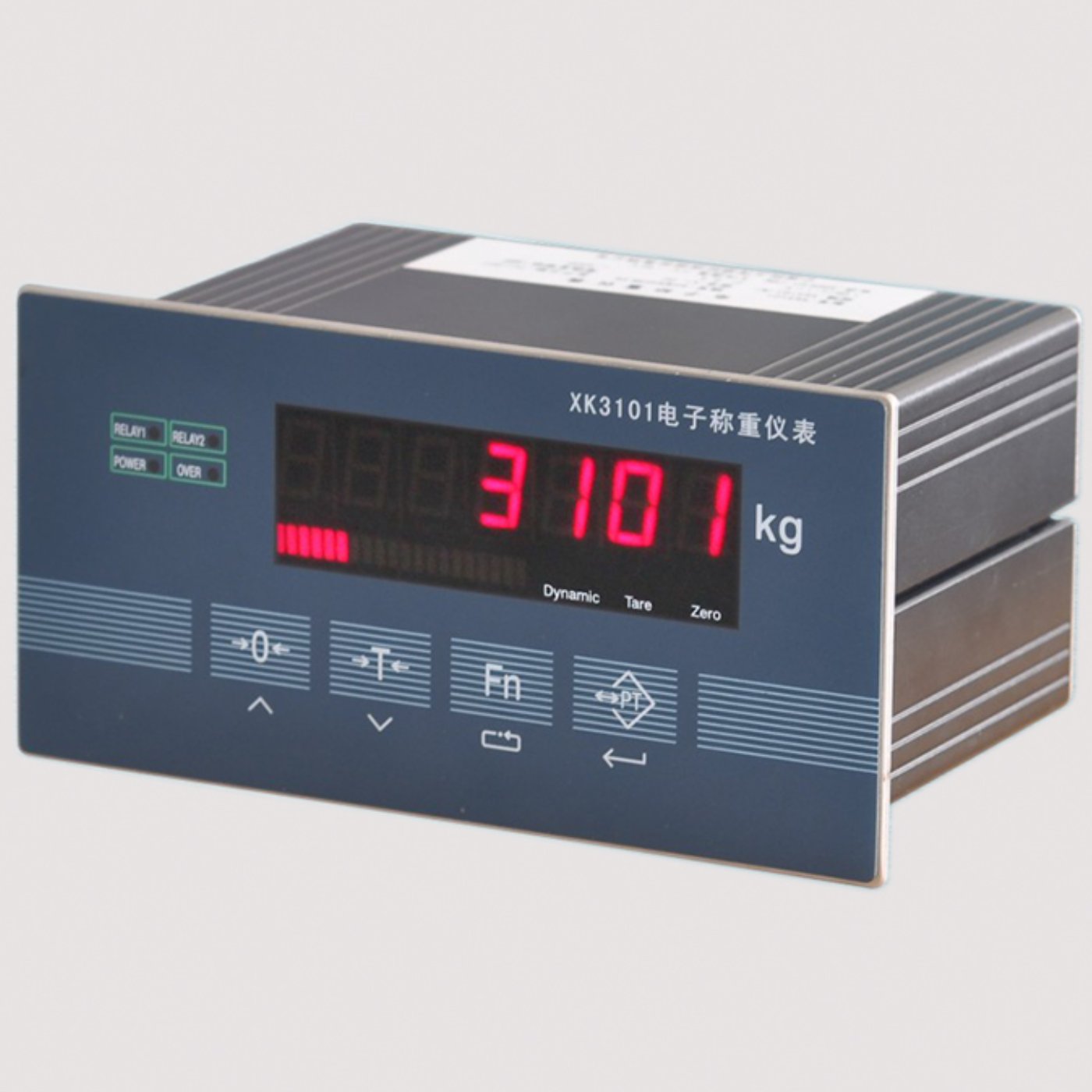
| Dosing and metering of raw materials | load cells and weighing indicators on hoppers, water flow meters, recording by batch | a stable mix composition and a clear consumption of cement and fibre |
| Slurry concentration | sensors and control of the water supply, level control in the agitator and vats | an even film on the screens, less uneven thickness and delamination |
| Thickness on the drum | a thickness sensor or revolution counting of the format drum, automatic cut-off | the same sheet thickness, fewer off-grade sheets |
| Drives | frequency converters, speed sensors, common start and stop logic | the felt is not pulled or torn, fewer emergency stops |
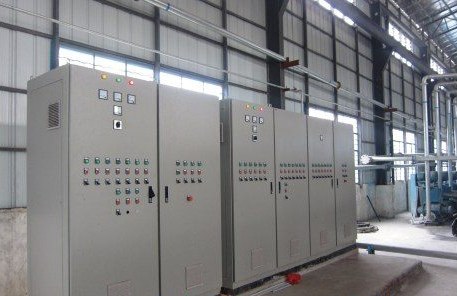
| Upper level | new PLCs, operator panels, a fault log | you can see where and why the line stopped |
This sequence is best read from the bottom up: an upper level without sensors below shows beautiful but useless screens.
Dosing
If cement and fibre are dosed by eye or by volume, the mix composition wanders from batch to batch. Weigh dosing with a record is the clearest first step: its effect is visible in raw material consumption and in the stability of the sheet. For hopper and platform scales, load cells and weighing indicators are used, which pass the weight to the controller.
Slurry concentration
Cylinder screens pick up more slurry the thicker it is. So fluctuations in concentration directly give different film thickness. The paper industry has long used a closed loop: a consistency sensor and a valve that adds or removes dilution water. The textbook literature on asbestos cement describes an agitator with a reserve of slurry in front of the machine; its level and concentration also make sense to hold automatically.
Thickness on the format drum
The sheet is cut off the drum when the layer has reached the required thickness. On old lines the operator decides this by the number of revolutions. On modern ones it is done by a thickness sensor. According to the line manufacturer's description, the control system itself changes the ratio of slurry and water if the thickness of the blank goes outside the set range. It is the same principle: measure the result, correct the supply.
Drives
The felt, the format drum and the conveyors must run in step. Desynchronization pulls and tears the felt and shifts the layers. How to match the speed is covered in the article on the forming machine drive.
When to replace the whole PLC
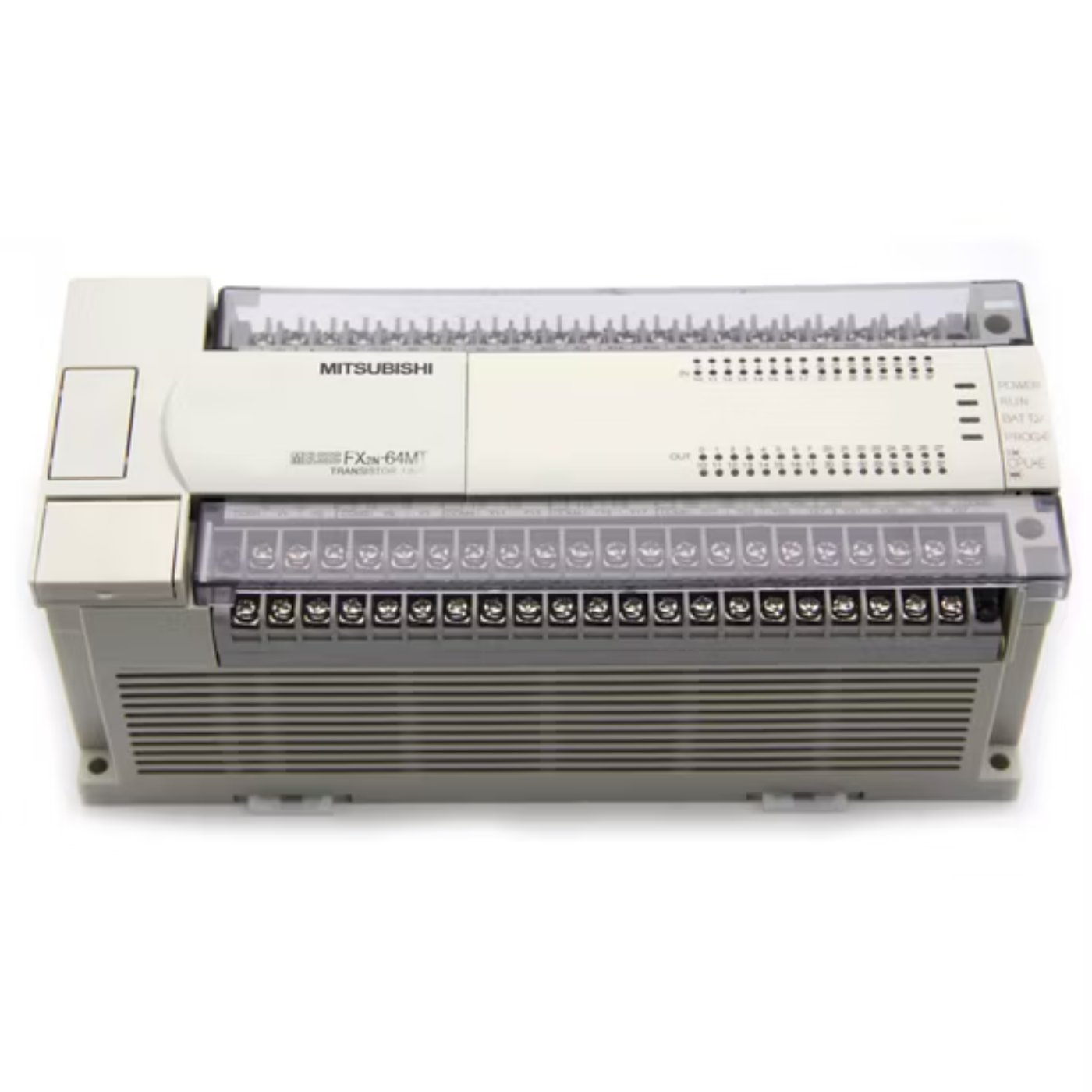
- the controller is discontinued, there are no spare modules, and repair is not accepted;
- there is no copy of the program, and the logic will have to be restored anyway;
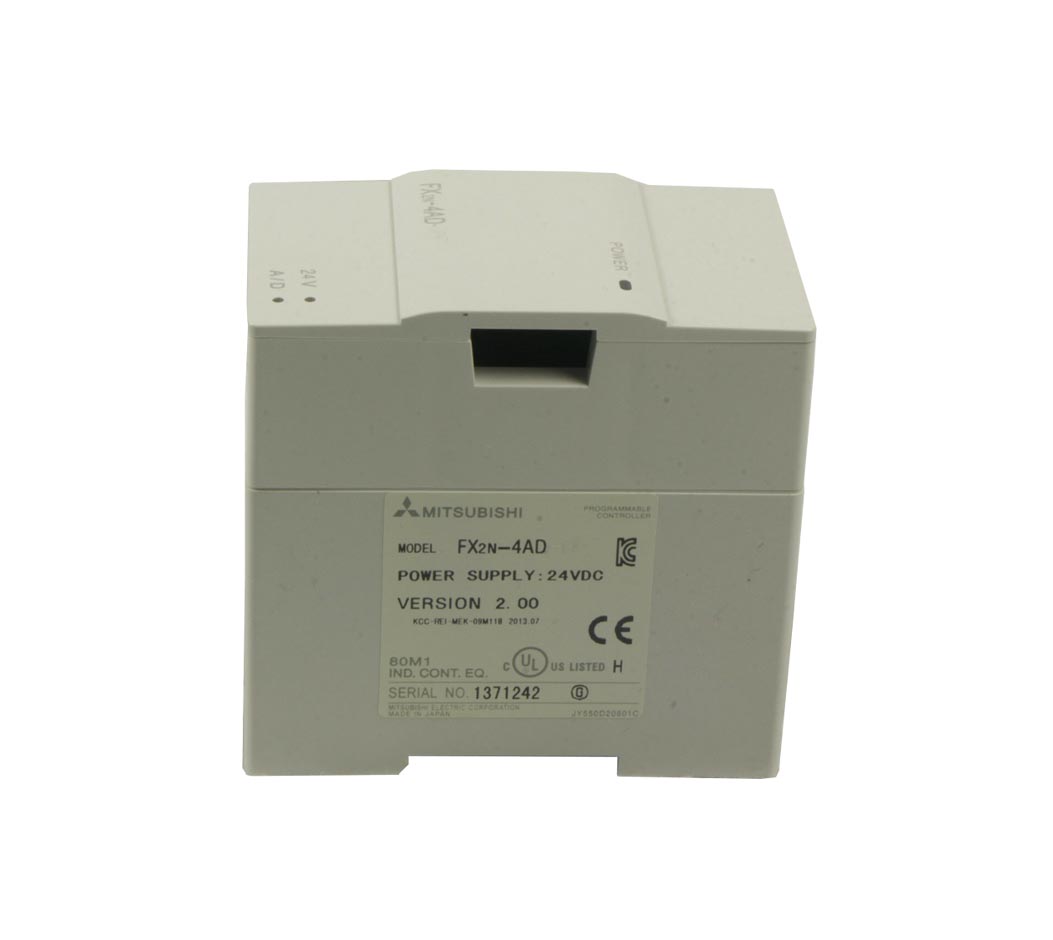
- the old controller lacks inputs, analog channels or communication to connect the new sensors;
- the line is being expanded and new control sections are needed.
If none of these applies, it is enough to add expansion modules, sensors and control to the existing controller. What to do when the controller is no longer made is covered in a separate article.
How to change without long downtime
Automation engineers advise splitting the replacement into stages. First the controller and panels are replaced, leaving the old sensors and wiring. Then the field devices are replaced section by section. Every stage is checked before start-up and a rollback plan is kept: if something goes wrong, you can return to the old scheme without stopping production for long.
What to prepare before the order
- A copy of the PLC and panel programs, if you have them, and the version of the development environment.
- The electrical diagrams of the cabinets and the list of inputs and outputs.
- Photos of the nameplates of controllers, modules, frequency converters and motors.
- A list of the line's problems: rejects, downtime, where the operator works manually.
- The language of the operator interface and who will maintain the system.
How we do it
- From the photo, dimensions and the passport of the unit, we look for the item at the manufacturing plant. What we find, with the price, photos and specifications, we send before the order.
- Where the answer has to come from the plant (the composition of the system, the program, commissioning), we ask them and pass on their word.
What this article relies on
Below are the documents and materials we refer to, so that you can check what is said for yourself.
Reference materials
- Rybyev I. A. "Building Materials Science" (Строительное материаловедение), section "Fundamentals of asbestos-cement product manufacturing": an agitator with a reserve of slurry, cutting the sheet off the format drum when the thickness is reachedstudme.org ↗
- taminota.com catalog: PLC-based line automation system and fibre cement sheet production line, manufacturing plant descriptions (regulating the ratio of slurry and water by the thickness of the blank, automated sections).
- Patent US 4415408 "Apparatus, and method for controlling consistency": a closed loop holding stock consistency with a dilution water valvepatents.google.com ↗
- Control Engineering, "How to slash downtime with a phased approach to PLC migration": phased replacement of controllerscontroleng.com ↗
- Automation World / CSIA, "Modernize Without Downtime": modernization zones, checking before start-up, rollback planautomationworld.com ↗
- Crossco, "A 6-Step Roadmap to Legacy Control System Modernization": controller and panels first while keeping field devices; obsolescence riskscrossco.com ↗
The order of modernization is our conclusion from the design of the line; the composition of the system for your line is given by the manufacturing plant.