Press cylinder seals: how to record the size and material
A sheet press cylinder works with a wiper, a rod seal, guide rings, a piston seal and static rings in the heads. Record the size of each from the groove, not from the old seal. The material is chosen by conditions: polyurethane holds pressure and wear but dislikes hot water, NBR is universal for oil, PTFE is for low friction. For large cylinders seals are machined to size.
In short
4minutes to read
6sections
6sources
4catalog items
In this article
- 01What the mechanic and the buyer need to decide
- 02What the kit contains
- 03How to take the dimensions
- 04Which material
- 05Large diameters: machined seals
Contents
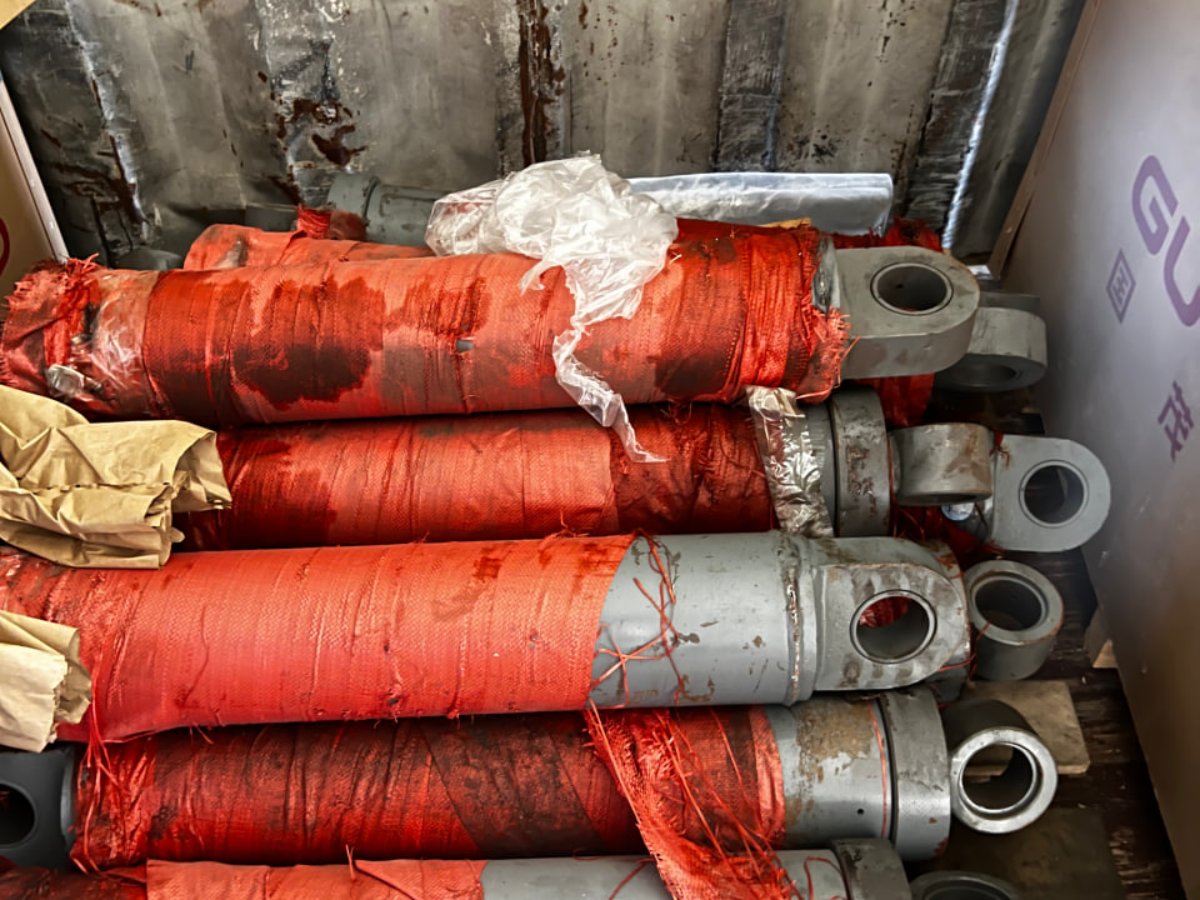
A press hydraulic cylinder leaks and does not hold pressure most often because of worn seals. They are replaced as a set: wiper, rod seal, guide rings, piston seal and the rings of static joints. The size of each is recorded from the groove it sits in, plus the rod and bore diameters. The old seal is not suitable for this: it is compressed, stretched or shrunk. The material is chosen by what surrounds the cylinder: oil, water, cement dust, temperature. Sheet presses have main cylinders of large diameter, and seals for them are often not taken from a catalog but machined to size.
What the mechanic and the buyer need to decide
- Keep a seal kit for each type of press cylinder: the main and the lifting cylinders have different kits.
- Have a drawing of the cylinder or at least a table of grooves. Then the kit can be ordered without dismantling.
- Agree with the press manufacturer whether seals from another maker may be used and which materials are acceptable for this press.
What the kit contains
| Element | Where it sits | What it is for |
|---|---|---|
| Wiper | where the rod leaves the head | scrapes dust and dirt off the rod before it gets inside |
| Rod seal | in the head, behind the wiper | keeps the oil inside the cylinder |
| Buffer seal | in front of the rod seal (not everywhere) | damps pressure spikes, relieves the main seal |
| Guide rings | on the piston and in the head | keep the metal of the piston and rod from rubbing on the bore and head |
| Piston seal | on the piston | separates the cylinder chambers |
| O-rings and back-up rings | in the static joints of the heads | hold oil between stationary parts |
At a slate plant the wiper suffers first: cement dust and slurry on the rod cut its edge, then the dirt reaches the rod seal. So at every replacement look at the rod itself too: scoring and corrosion on it quickly kill a new seal.
How to take the dimensions
Measure during dismantling, with a caliper and a bore gauge, not a tape measure:
- The bore (inner) diameter in several places, checking for ovality and wear.
- The rod diameter in several places, turning the tool.
- The stroke: length of the cylinder extended minus retracted.
- For each groove: the groove root diameter, width, depth. For the piston, from the piston; for the rod, from the head.
- Photograph each removed seal in cross-section and lay them out in the order of removal.
The profile is as important as the size. A U-cup, a chevron pack and a compact seal with rings are not interchangeable at the same diameters. How to record rod and piston seal dimensions in a request is covered in the article on oil seals and packings.
Which material
| Material | Strength | What to consider |
|---|---|---|
| NBR (nitrile rubber) | works well with mineral oil, a wide range of hydraulics | limited in pressure as the main seal, holds wear worse |
| Polyurethane (PU, TPU) | high abrasion resistance, holds high pressure | ages in hot water and a humid environment (hydrolysis); manufacturers limit it by temperature |
| Filled PTFE | low friction, a wide temperature range, chemical resistance | works with a rubber energizing ring, needs a clean rod surface |
For a slate plant press this means:
- water and the alkali of the cement slurry are nearby, so the outer seals (wiper, rod) must withstand moisture;
- if the hydraulics run on water-based fluid rather than mineral oil, tell the seal manufacturer: the material depends on it;
- the specific pressure and temperature limits for each compound come from the manufacturer's passport: they differ between makers even for one type of material.
Large diameters: machined seals
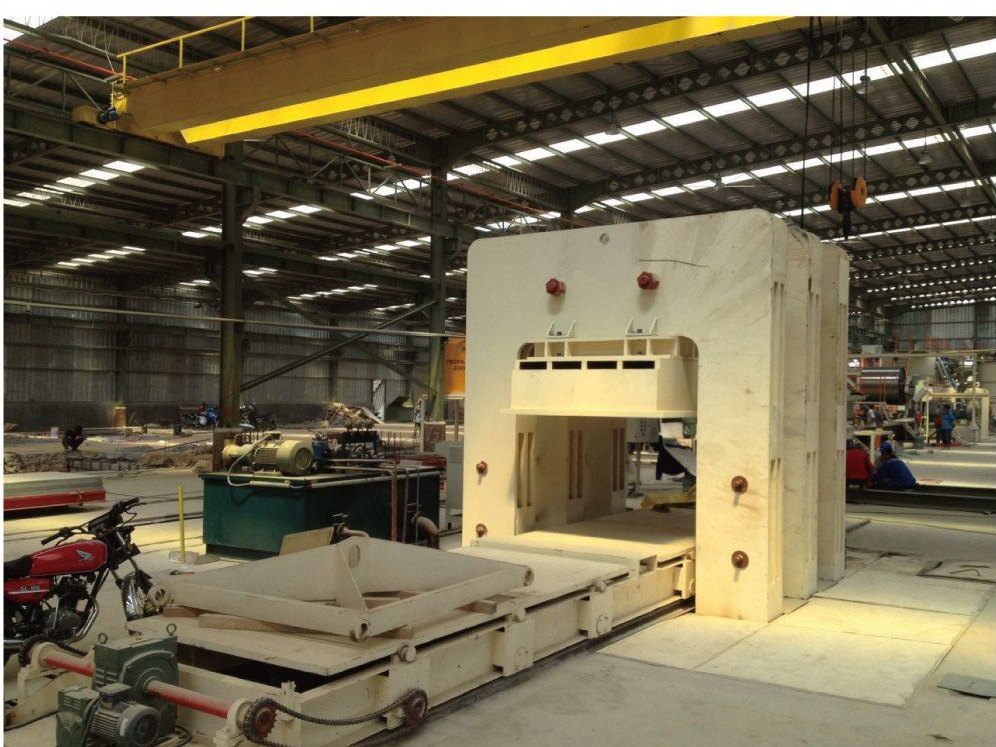
Sheet presses have large main cylinders: the catalog for a press gives pressing cylinders with diameters of hundreds of millimeters. Molded seals of such sizes are not always available, and a mold for one batch is expensive. So they are often machined on a CNC machine from polyurethane, PTFE or rubber straight to the groove drawing. Makers of machined seals write that this avoids tooling and is convenient for one-off sizes. For cylinders that are hard to dismantle, some offer split seals.
What is needed to order a machined seal:
- a groove drawing with tolerances or exact dimensions;
- the profile (a photo of the old one in cross-section);
- working pressure, fluid, temperature, stroke speed;
- the material or the conditions from which the manufacturer will choose it.
How we do it
- From the dimensions and photos, we look for seals at the manufacturing plant of the unit or at a seal manufacturer.
- What we find we send before the order: size, type, material, working temperature.
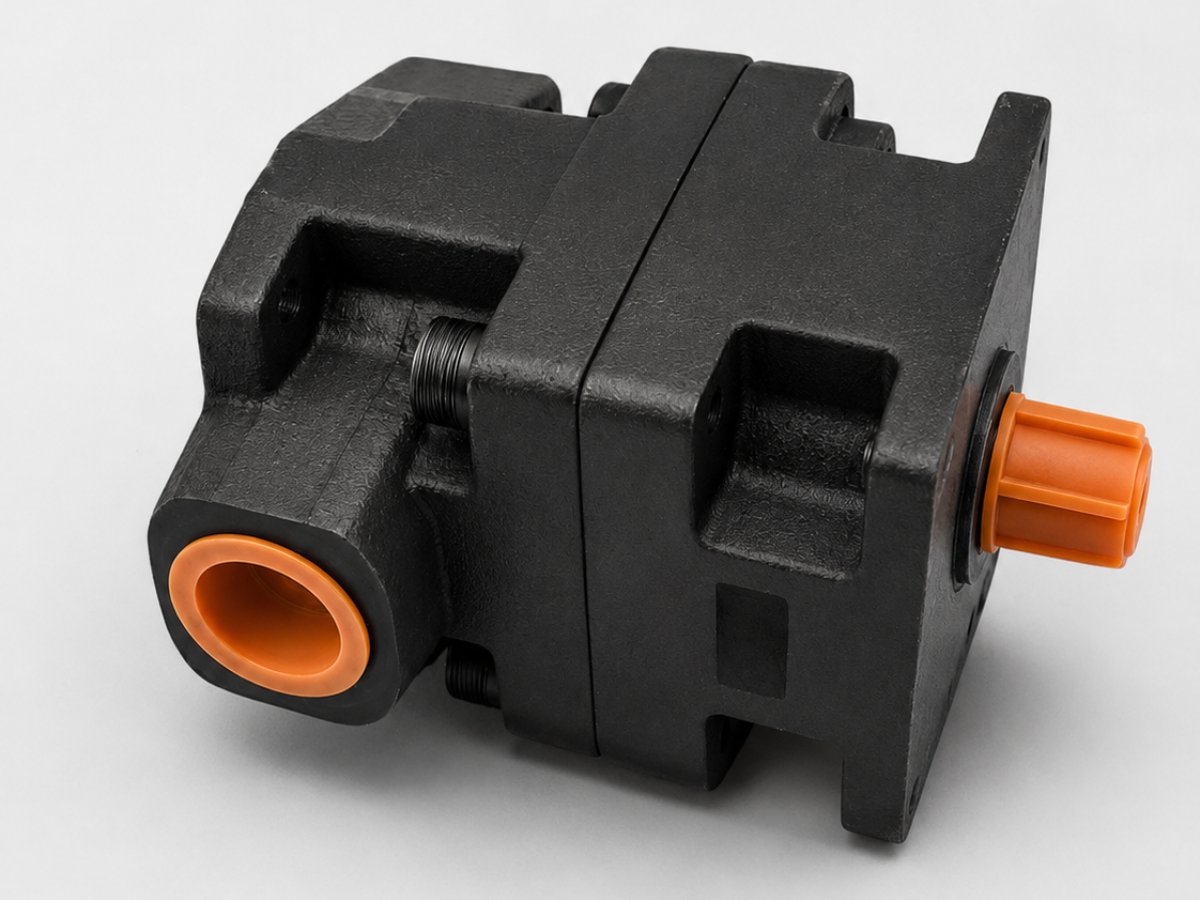
- For the hydraulic cylinder and hydraulic pump from the catalog, we select seals by model and mounting dimensions.
What this article relies on
Below are the documents and materials we refer to, so that you can check what is said for yourself.
Reference materials
- FridayParts, "How to find seal kit for hydraulic cylinder" and "Hydraulic cylinder seal selection measurement": how to measure the bore, rod, stroke and seals, the role of the wiper and guide ringsfridayparts.com ↗
- Dichtomatik (Freudenberg), "Piston seals": materials NBR, TPU, PTFE, their limits, choosing a profile by conditionsdichtomatik.fst.com ↗
- Trelleborg Sealing Solutions, hydraulic seals: polyurethane and PTFE compoundsdirectindustry.com ↗
- Parker Prädifa, "XXL-size seals": large-diameter machined seals without a moldparker.com ↗
- Hänssler (dicht.de), "Individual profiles": machined profiles of PU, PTFE and elastomers instead of extrusion for large diametersdicht.de ↗
- Chesterton, "Large diameter sealing solutions": machined and split seals of large diameterinfo.chesterton.com ↗
The material and profile of your press seals come from the press passport and agreement with the seal manufacturer.