Oil seals and gaskets: how to write size and material for an order
A shaft seal is written with three numbers: shaft diameter × housing bore diameter × width, for example 45×62×10. Add the type (with or without a dust lip) and the material: NBR for oil up to +100 °C, FKM for heat up to +200 °C. An O-ring is written as inside diameter × cross-section.
Updated
Contents
A shaft seal, what the shop floor calls an oil seal, is written with three numbers in millimeters: shaft diameter × bore diameter in the housing × width. For example, 45×62×10. That is enough for the seal to fit in place. For it to work, two more things are added to the size: the type (whether there is a dust lip) and the lip material. NBR suits oil and temperatures up to +100 °C, FKM suits heat up to +200 °C. An O-ring is written differently: inside diameter × cross-section.
Shaft seal: size
The order of numbers is the same at the large manufacturers. SKF writes, for example, "CR 45X62X10 HMS5 RG": shaft 45, housing bore 62, width 10, then the design and the material code. Freudenberg in its product cards writes "BA 30 x 50 x 8" in the same order.
Seal sizes are standardized: ISO 6194-1 sets nominal sizes and tolerances, the German DIN 3760 sets designs and sizes. So a 45×62×10 seal from different plants can go in the same place if the type and material match.
How to measure if the print has worn off:
- shaft diameter: with a caliper on the shaft where the lip runs, not on the old seal;
- bore diameter: on the housing;
- width: on the old seal or from the depth of the seat.
If the shaft is worn into a groove at the lip, a new seal will not last long on it. This shows when measuring.
Types: with and without a dust lip
Under DIN 3760 the main designs are marked with letters:
| Type | What it is |
|---|---|
| A | outer surface covered with rubber; holds well in the housing |
| B | metal outer case; needs an accurate bore |
| C | reinforced metal case |
| AS, BS, CS | the same, but with an extra dust lip on the air side |
Manufacturers have their own names. At SKF the standard seals are HMS5 with a rubber outer surface, HMSA10 the same with an extra lip, CRW1 with a metal case. At Freudenberg BA is a standard seal with a rubber covering and a spring, BASL the same with a protective lip. We matched them to the DIN letters from the descriptions of the designs; there is no direct correspondence table in open catalogs.
A dust lip is needed if there is dust, dirt or water outside. In a cement or slate shop, or outdoors, a type with a dust lip is better.
Material and temperature
| Material | Code | Working temperature | Where |
|---|---|---|---|
| Nitrile butadiene rubber | NBR | −40…+100 °C | oils, greases, most gearboxes and hydraulics |
| Hydrogenated NBR | HNBR | up to +150 °C | oil at raised temperature |
| Fluoroelastomer ("Viton") | FKM | from −20…−30 to +200 °C | hot units, aggressive oils |
| Silicone | VMQ | −60…+200 °C | air, low loads |
| Polytetrafluoroethylene | PTFE | −70…+200 °C | chemicals, dry running, high speed |
The ranges are from the SKF catalog and the Freudenberg data sheet. For NBR they agree. For FKM the lower limit is −20 °C at SKF and −30 °C at Freudenberg. The working temperature in oil can be lower than in air: for FKM in oils Freudenberg states +150 °C.
When heated above about +300 °C, FKM gives off hazardous fumes. Old FKM seals are not burned or heated with a torch.
O-rings
An O-ring is written as inside diameter d1 × cross-section diameter d2, in millimeters. For example, 50×3.55. The size series and tolerances are set by ISO 3601-1. General industrial cross-sections in this series: 1.8; 2.65; 3.55; 5.3; 7 mm.
There is also the inch series AS568 with numbers instead of sizes. If the package shows a number rather than a size, convert it with the manufacturer's table.
How to measure: the cross-section with a caliper on the uncompressed ring; the inside diameter on the groove or the shaft the ring sits on. An old ring is often stretched or flattened, so the groove size is more reliable.
Hydraulics: rod, piston, wiper
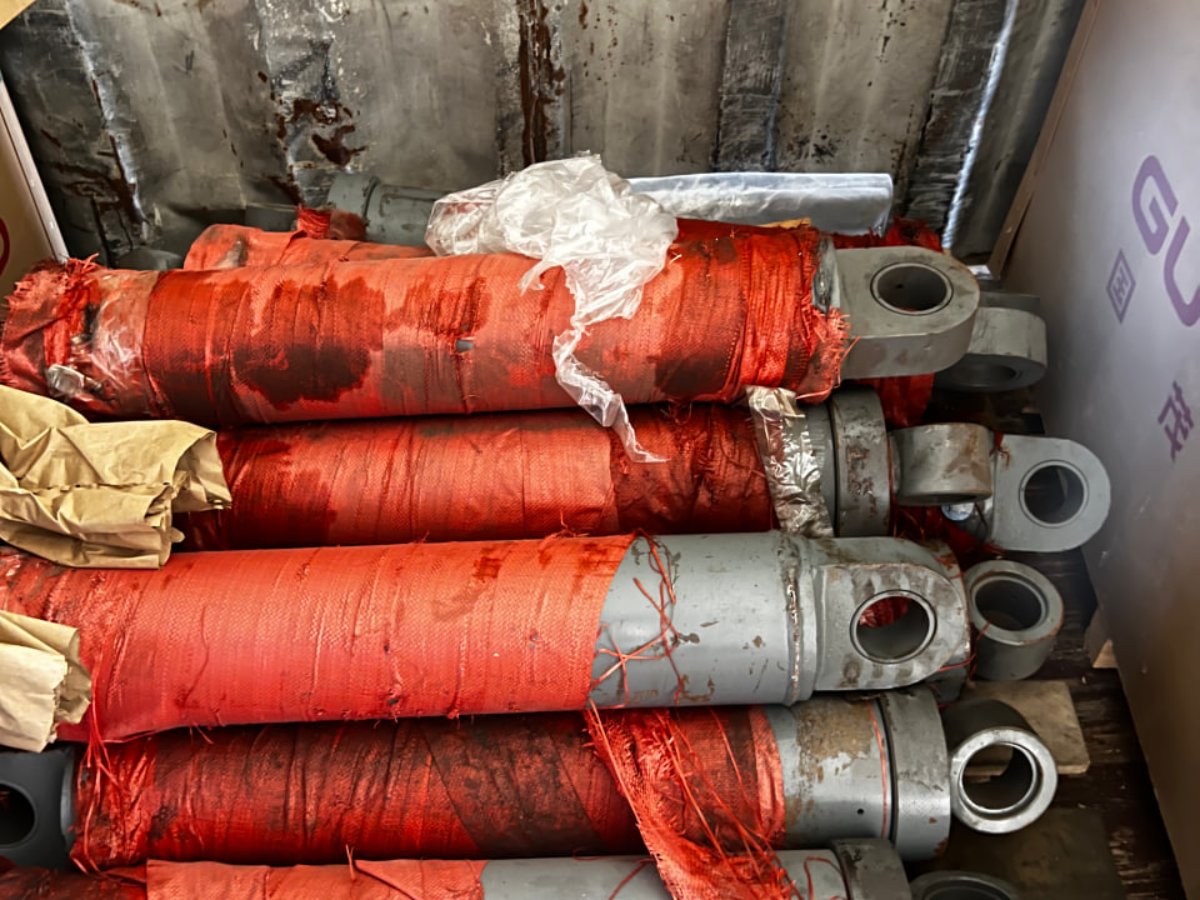
A hydraulic cylinder has three main seals: on the rod, on the piston, and a wiper where the rod exits. Sizes are written from the seat:
| Seal | How it is written | Example |
|---|---|---|
| Rod | rod diameter × groove diameter × groove width | 50×60×8 |
| Piston | cylinder diameter × piston groove diameter × groove width | 50×34.5×6.3 |
| Wiper | rod diameter × seat diameter × height | per catalog |
The housings for these seals are standardized: ISO 5597 for rod and piston, ISO 6195 for wipers. But the seals have different profiles: U-cup, set with back-up rings, compact piston seal. The profile of the replacement must match, otherwise the seal will not fit the same groove.
A hydraulic cylinder also needs a full repair kit: rod and piston seals, wiper, guide rings, O-ring. Everything is changed at once.
What to put in the request
- The unit: gearbox shaft, pump, hydraulic cylinder.
- Size: d × D × b for a shaft seal; d1 × d2 for an O-ring; groove dimensions for hydraulics.
- Type: A, AS or equivalent; for hydraulics, the profile.
- Medium and temperature: oil, water, dust outside; how many degrees.
- For a shaft, speed; for a cylinder, working pressure.
- A photo of the old seal in section or from the side.
How we do it
- From the dimensions and photos we look for seals at the unit's manufacturing plant or at a seal manufacturer.
- We send what we find before the order: size, type, material, working temperature.
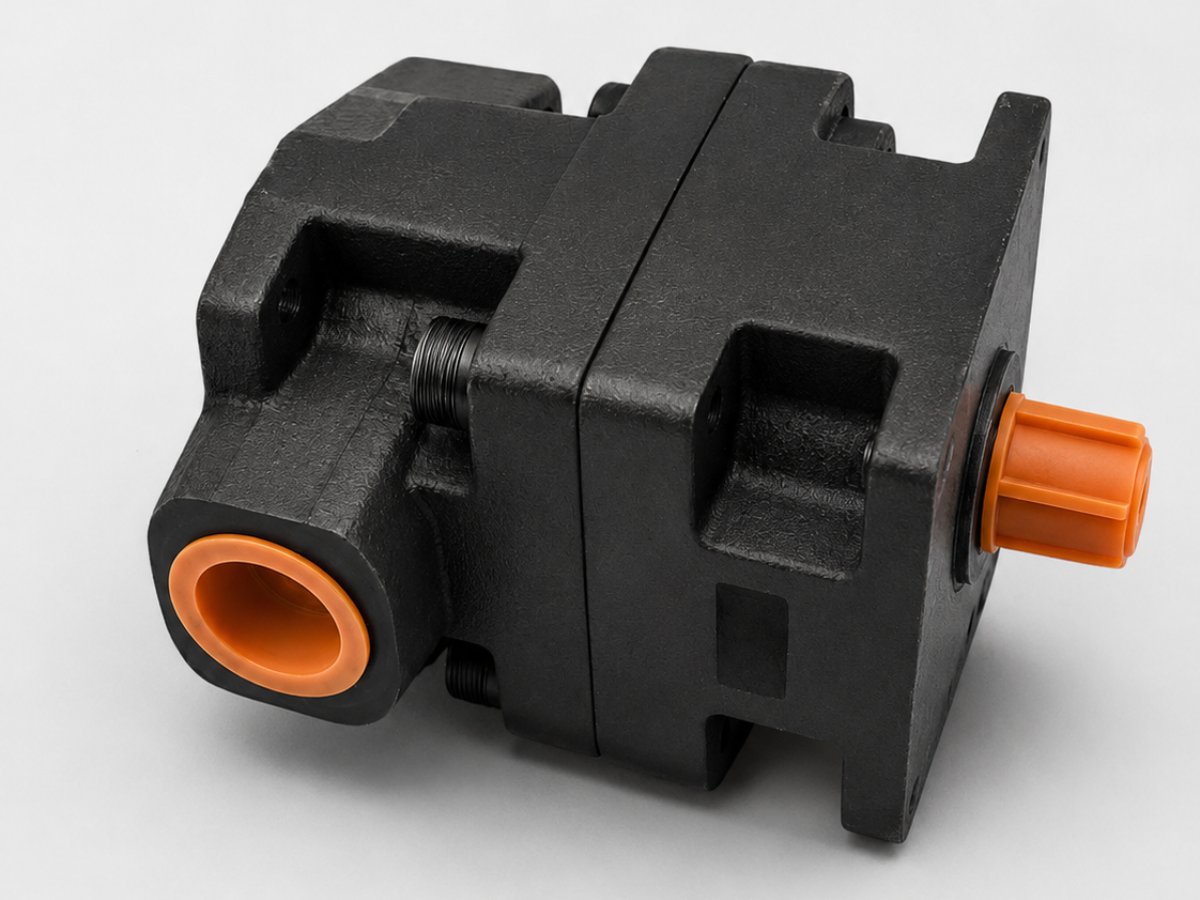
- For the hydraulic cylinder and hydraulic pump from the catalog we select seals by model and seat dimensions.
What this article relies on
Below are the documents and materials we refer to, so that you can check what is said for yourself.
Reference materials
- SKF. Industrial shaft seals (designations, ISO 6194 and DIN 3760 standards, materials and temperatures, PDF)cdn.skfmediahub.skf.com ↗
- SKF. HMS5 and HMSA10 seals (PDF)cdn.skfmediahub.skf.com ↗
- SKF. Hydraulic seals (O-rings per ISO 3601-1, PDF)cdn.skfmediahub.skf.com ↗
- Freudenberg FST. Simmerring BASL, datasheetproducts.fst.com ↗
- Freudenberg FST. Simmerring BA 30 x 50 x 8products.fst.com ↗
- dicht.de. Glossary: DIN 3760dicht.de ↗
- Parker. O-Ring Handbook ORD 5700 (copy on the University of Arizona site)wp.optics.arizona.edu ↗
- Hallite. Metric Fluid Power Catalog (ISO 5597, ISO 6195, PDF)info.triadtechnologies.com ↗
- Acorn Industrial. SKF SIL 50x60x8 (example of a rod seal entry)acorn-ind.co.uk ↗