What a slate painting line consists of and what gets replaced in it
A slate painting line is surface preparation, paint application by spray or roller, drying and stacking. What wears out in it: nozzles, paint pumps, filters, conveyor belts and chains, rollers and drying fans. Coating quality is checked against the sheet standard: even color, no stains or efflorescence, resistance to abrasion.
In short
5minutes to read
6sections
5sources
3catalog items
In this article
- 01What the owner and the buyer need to decide
- 02Sections of the line
- 03What to ask the paint supplier
- 04How the coating is checked
- 05What to attach to a request for equipment or spares
Contents
A slate painting line consists of four sections. Preparation: the sheet is cleaned of dust and dirt and primed if necessary. Application: paint is fed by spray through nozzles or by roller. Drying: the sheet passes through a tunnel or a chamber with heated air. Exit: the dried sheet is stacked with interleaves. What wears out most are the parts that work with paint and abrasive dust: nozzles and tips, paint pumps and their seals, filters, rollers, conveyor belts and chains, drying fans and heaters. Coating quality is checked the way the buyer will later check it, against the sheet standard.
What the owner and the buyer need to decide
- What to paint. Corrugated sheet, flat sheet or both. The profile decides whether rollers are suitable or only spray is possible.
- With which paint. The type of paint also defines the line: water-based acrylic paint and powder paint cured in an oven are different drying sections.
- What output. The speed of the painting line must match the sheet feed rate, otherwise painting becomes the bottleneck or stands idle.
- Where to keep painted sheets. According to the standard, a painted sheet is protected from precipitation and direct sun.
Sections of the line
| Section | What it does | What is replaced in it |
|---|---|---|
| Feed and cleaning | takes the sheet from the stack, blows it off, cleans the surface | suction cups, brushes, blow-off nozzles, air filters |
| Priming, if any | applies a primer for adhesion and against efflorescence | the same as for paint application |
| Paint application | spray through a nozzle manifold or roller application | nozzles and tips, pumps, seals, filters, rollers, hoses |
| Drying | removes water or solvent, cures the coating | fans, heaters or burners, temperature sensors, belts and chains |
| Exit and stacking | cooling, stacking with interleaves | suction cups, belts, interleaf material |
Application
Spray suits both corrugated and flat sheet: nozzles are installed as a manifold above the conveyor. The main problems of spraying are an uneven layer and overuse of paint on overspray mist that misses the sheet. In one fibre cement siding manufacturer's example, the old system without a regulator gave an uneven coating and a lot of mess from mist, while the line speed varied widely. After the switch to a system where the paint flow adjusts to the line speed, paint consumption and rejects fell. The principle is general: the paint feed should follow the conveyor speed, not be constant.
Rollers give less mist but work poorly on a corrugation of complex profile.
Drying
The drying section sets the speed of the whole line. Poor drying gives a sticky layer, interleaf prints and sheets sticking together in the stack. Too hot or too fast gives blisters and cracks in the coating. The drying mode is set by the paint manufacturer; the line must allow it to be held.
Surface preparation
Paint holds on a clean and prepared sheet. Dust after cutting and demolding, greasy traces of pallet lubricant, and efflorescence on the surface interfere with adhesion. In the production of asbestos-cement sheets the standard does not allow efflorescence on a painted surface, so the preparation and the primer are chosen to counter it as well.
What to ask the paint supplier
- which base the paint is for: asbestos cement or fibre cement, and at what age of the sheet it can be applied;
- whether a primer is needed and which;
- the application method: spray, roller, viscosity and thinning;
- the drying mode: temperature and time, how much air is needed;
- test results: abrasion, water resistance, frost resistance, color fastness;
- requirements for storing the paint and cleaning the equipment.
There is experience of implementation at an asbestos-cement plant with powder polyester paints: such coatings were tested for adhesion, frost resistance, abrasion, aging and color fastness. This is a different type of line, with curing in an oven, and it is worth discussing with the supplier separately.
How the coating is checked
The interstate standard for corrugated chrysotile-cement sheets allows the release of painted sheets and sets requirements for them:
- the color follows reference samples or the manufacturer's catalog, checked by eye from a distance;
- the painting is even, without efflorescence and stains;
- the coating withstands the sand abrasion test: after it, the unpainted surface must not show through;
- painted products are checked for abrasion and the state of the surface at acceptance;
- paints and other materials must comply with their own regulatory documents.
So the plant laboratory needs an abrasion test instrument for painting, and the line needs color references.
What to attach to a request for equipment or spares
- Which sheets you paint: profile, dimensions, output per shift.
- Which paint you use or plan to use and its passport.
- The line diagram and photos of the units: nozzle manifold, pump, dryer, conveyor.
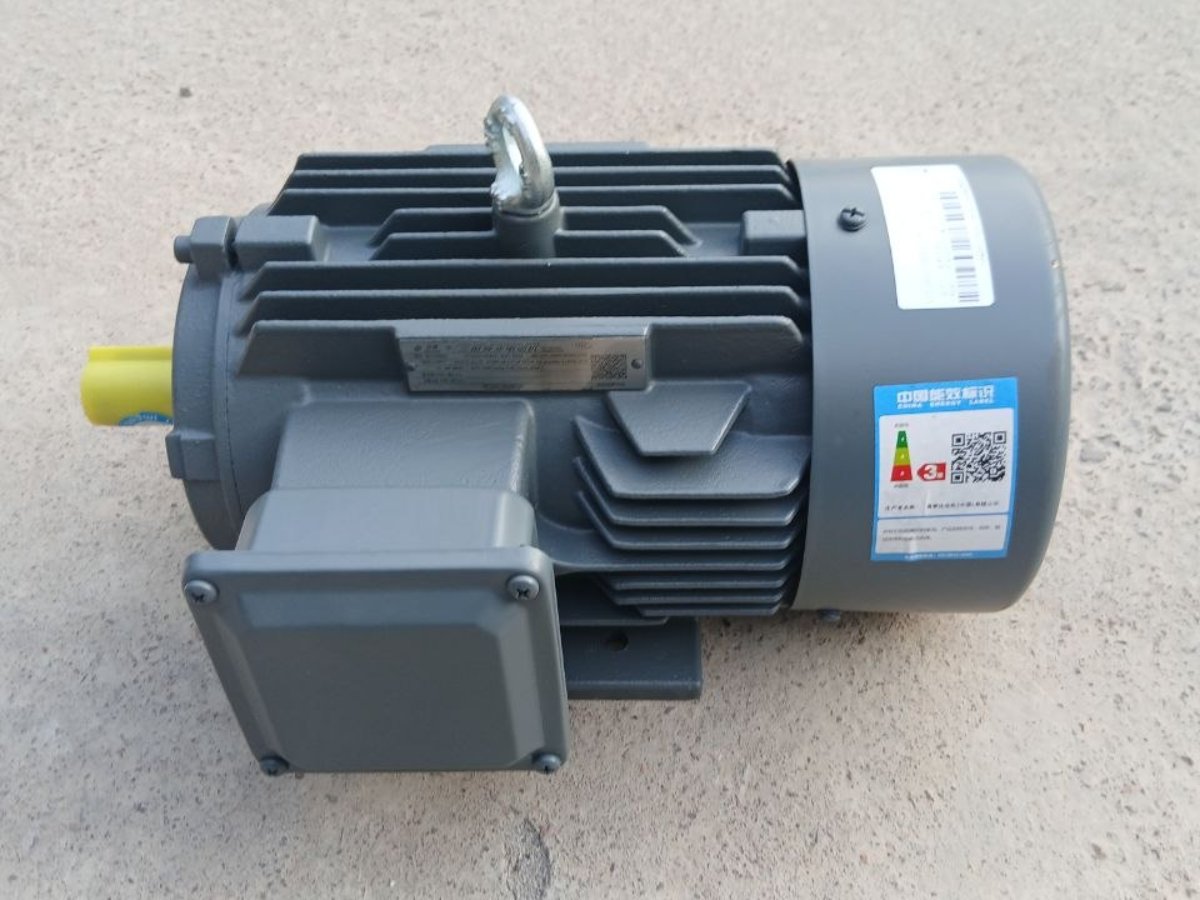
- Nameplates of pumps, fans, motors, burners.
How we do it
- From the photo, dimensions and the passport of the unit, we look for the item at the manufacturing plant. What we find, with the price, photos and specifications, we send before the order.
- We inspect the lot at the plant before shipment: part number, dimensions, lot, packaging.
What this article relies on
Below are the documents and materials we refer to, so that you can check what is said for yourself.
Standards and documents
- GOST 30340-2012 "Chrysotile-cement corrugated sheets. Specifications": painted sheets, color by reference samples, painting without efflorescence and stains, abrasion test, acceptance, storage of painted sheetstext ↗
- GOST 18124-2012 "Chrysotile-cement flat sheets. Specifications": sheets with a protective and decorative coatingtext ↗
Reference materials
- Kukhta T. N., Prokopchuk N. R. "Coating slate with powder polyester paints" (Нанесение покрытий на шифер порошковыми полиэфирными красками), Proceedings of BSTU, 2016, No. 4: the technology implemented at an asbestos-cement plant, coating testselib.belstu.by ↗
- Spraying Systems Co., an implementation example at a fibre cement siding plant: spraying before the drying oven, uneven coating and mist without a regulator, feed following line speed — ,-cs215spray.com ↗
- Preparing an asbestos-cement surface for painting: dust removal and degreasing, weather-resistant compositionsdnaop.com ↗
Drying modes and paint compositions are not given in the article: they are set by the paint manufacturer. The full text of the BSTU article was not opened; the abstract was used.