Forming machine drive: how to match felt and drum speed
The felt, the cylinder screens and the format drum are linked by friction: the felt turns the screens and is pressed against the drum. If the surfaces run at different speeds, the felt slips, stretches and tears, and the layers on the drum shift. Matching is held by frequency converters with a common speed reference and by sensors that show the real speed of each unit.
In short
5minutes to read
7sections
5sources
4catalog items
In this article
- 01What the owner and the buyer need to decide
- 02How the units of the machine are linked
- 03Where desynchronization comes from
- 04What frequency control gives
- 05What to prepare when converting an old machine
Contents
On a Hatschek machine several units move together and are linked not by a shaft but by friction. The felt wraps around the cylinder screens and turns them through the couch rolls. Then the felt goes through the drive roll pressed against the format drum, and the drum takes the film of slurry off the felt. If the surfaces of these units run at different speeds, the felt slips, stretches, folds appear on it, and in the worst case it tears. The layer on the drum shifts and compacts poorly. Matching the speed is helped by frequency converters with a common reference, speed sensors on the key shafts and correct adjustment of the felt tension. Below is where to look for desynchronization and what to prepare if an old machine is being converted to frequency control.
What the owner and the buyer need to decide
The felt is one of the most expensive consumables of the line. If it tears or stretches ahead of time, the first thing to look at is the drive and the tension, not the felt supplier.
Questions before the order:
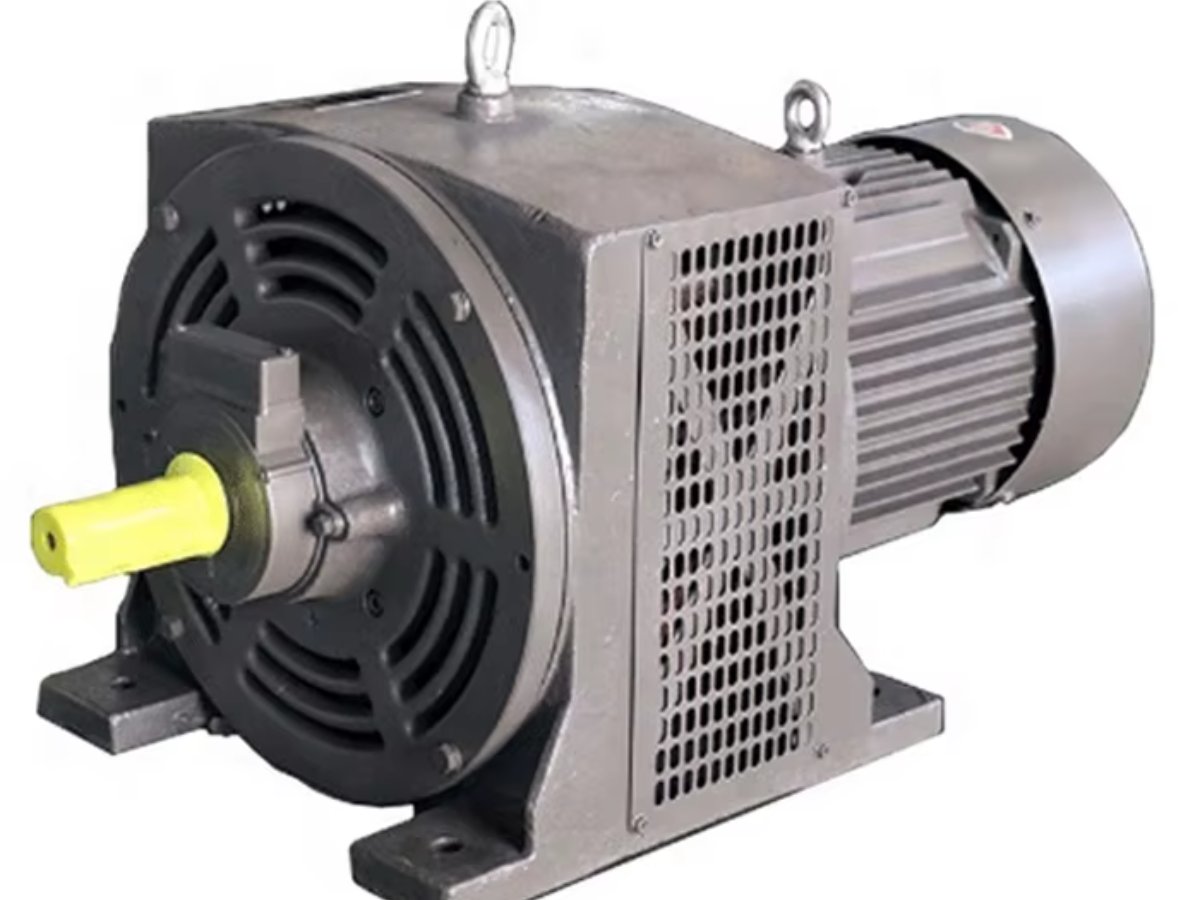
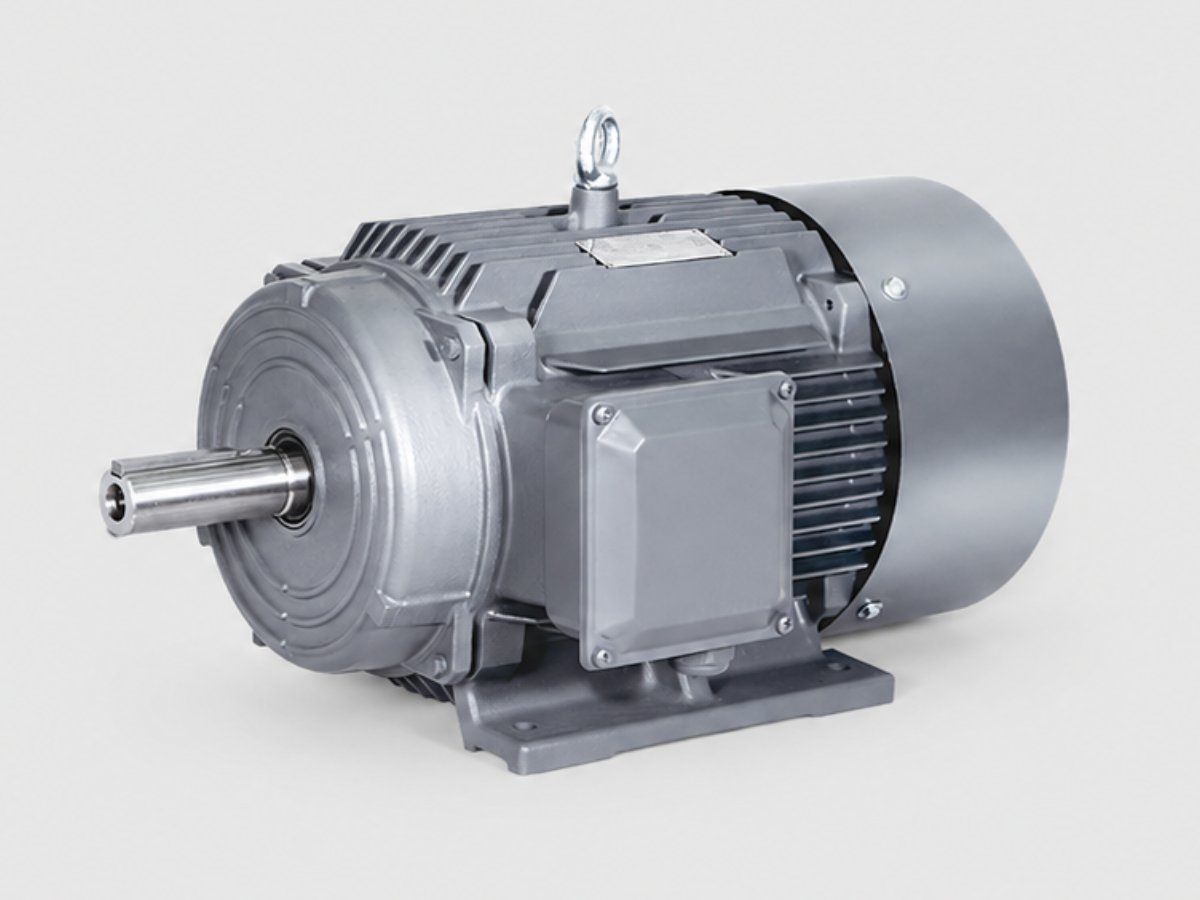
- which motors and gearboxes are on the machine and which of them are adjustable;
- how the speed is set now: a mechanical variator, a variable speed motor, a frequency converter;
- whether there are speed sensors on the shafts or the speed is judged by eye;
- whether there is a record of failures: when and at what speed the felt tore.
How the units of the machine are linked
| Unit | How it moves | What happens when they are mismatched |
|---|---|---|
| Felt | from the drive roll, tensioned by tension rolls | slips, stretches, folds, breaks |
| Cylinder screens | turned by the felt through the couch rolls | the film lies unevenly, the screen and the felt rub against each other |
| Format drum | pressed to the drive roll through the felt | layers shift, a loose layer, a felt mark on the sheet |
| Conveyors after the drum | their own drives | the sheet is pulled or bunched into a fold when taken off |
Patents on machines of this type separately discuss how to improve the transfer of torque from the felt to the screen by increasing the wrap and friction in the couch zone. This means that slipping between the felt and the screen is a known problem, not a quirk of one machine.
Where desynchronization comes from
- Worn rubber covering of the rolls. The diameter of the couch rolls and the drive roll is smaller than it was, so the surface speed changes at the same shaft speed.
- Weak or uneven felt tension. The felt does not transmit torque and slips. Too strong a tension makes it stretch and wear faster.
- Mechanical variator or belt drive. Belts stretch, the variator wears, and the speed wanders.
- Different drives without a common reference. Each motor holds its own speed by itself; during acceleration, stopping and voltage dips they drift apart.
- Growth of the layer on the drum. As the layer is wound on, its diameter grows. How your machine accounts for this is in the manufacturer's documentation.
What frequency control gives
In continuous lines with several drives (paper machines, conveyor lines), speed is set by one reference signal for the leading section. The other drives get their reference as a fraction of it. Then during acceleration and braking all units change speed together, and the difference between them remains set rather than random. Frequency converter manufacturers call this the "master-follower" scheme. If the shafts are rigidly linked mechanically, the follower drives are often given a torque reference rather than a speed reference, so that they share the load and do not fight each other.
Without feedback the frequency converter estimates the speed from its motor model. For exact matching, speed sensors (encoders) are installed on the motor shafts or directly on the leading rolls of the machine.
What to prepare when converting an old machine
- Nameplates of all drive motors: power, current, speed, connection scheme.
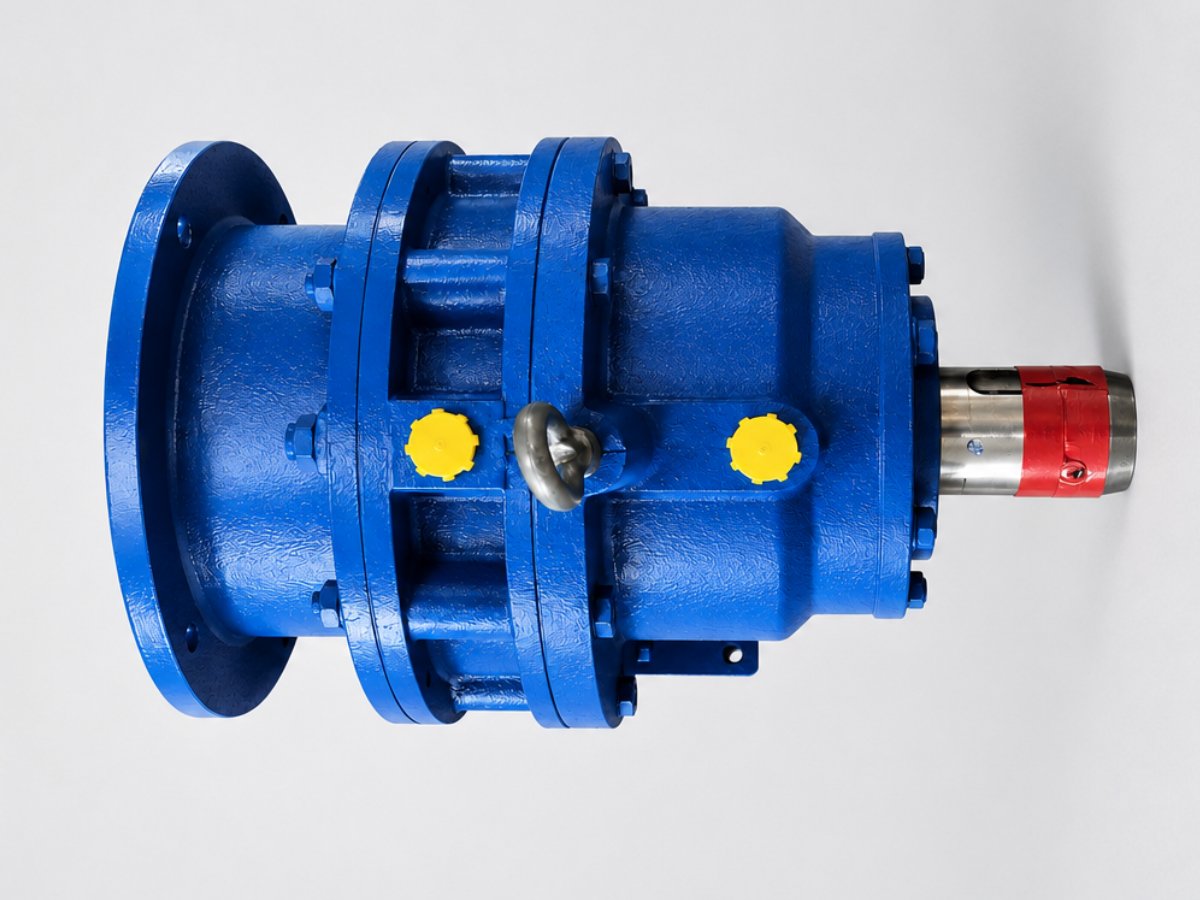
- Nameplates of the gearboxes and the gear ratios, the type and condition of the variator, if there is one.
- The machine diagram: which motor turns what, and where the tension rolls are.
- The range of working speeds and how often the machine is stopped and accelerated.
- Whether the line has adjustable motors with their own control system: they are either kept with a new regulator or replaced together with the drive.
How to select a frequency converter for a specific motor is covered in a separate article.
Signs that the drive is at fault
- the felt tears or bunches into a fold during acceleration and stopping, but runs at constant speed;
- there are shiny wear stripes on the felt where it slides over the roll;
- the sheet thickness changes after every stop of the machine;
- the new felt stretches noticeably faster than the previous ones.
This is a reason to check the surface speed of the units with a tachometer and the condition of the rubber covering, rather than replacing the felt at once.
How we do it
- From the photo, dimensions and the passport of the unit, we look for the item at the manufacturing plant. What we find, with the price, photos and specifications, we send before the order.
- We inspect the lot at the plant before shipment: part number, dimensions, lot, packaging.
What this article relies on
Below are the documents and materials we refer to, so that you can check what is said for yourself.
Reference materials
- Patent US 12227456 "Fiber cement products and methods for the production thereof": the screen is driven by the felt through the couch roll, the felt goes through the drive roll pressed against the format drum; winding to the required thicknesspatents.google.com ↗
- Patent US 7510630 "Extended couch nip on cylinder former": transfer of torque from the felt to the screen by friction, use in fibre cement productionpatents.google.com ↗
- Patent US 4334175 "Digital speed control method and apparatus": sectional drives of a continuous line, a set speed difference between sectionspatents.justia.com ↗
- ABB, ACS800 Master/Follower guide: master and follower drives on mechanically linked shafts, torque reference for the followers, communication between drivesbackend.inverterdrive.com ↗
- Danfoss, an implementation example on a paper machine: exact synchronization of sectional drives, PLC and frequency convertersassets.danfoss.com ↗
The causes of desynchronization and the signs of a drive fault are our conclusion from the design of the machine; the adjustment of your machine follows the manufacturer's documentation.