What the numbers on a bearing mean: type, series, shaft diameter
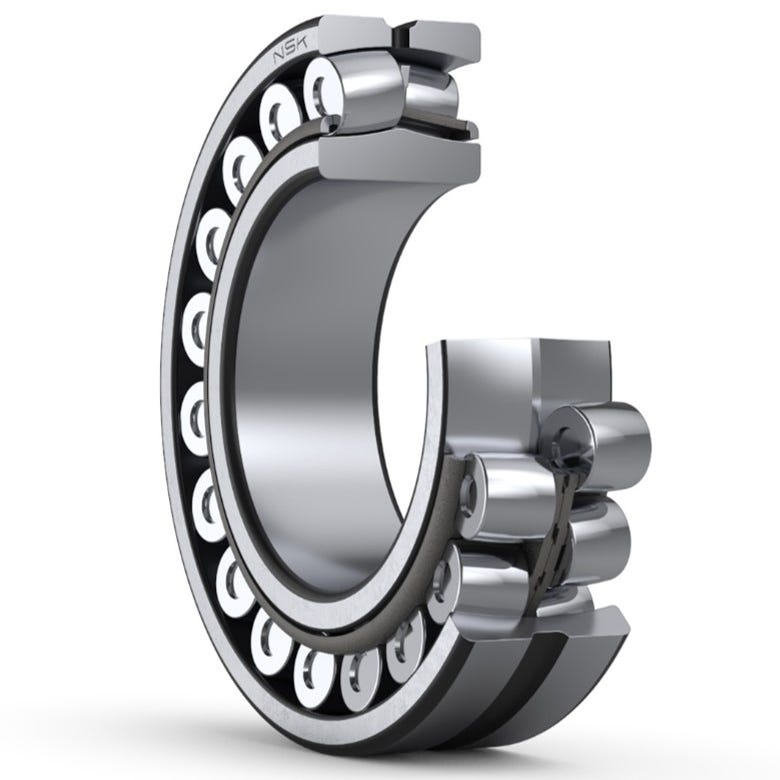
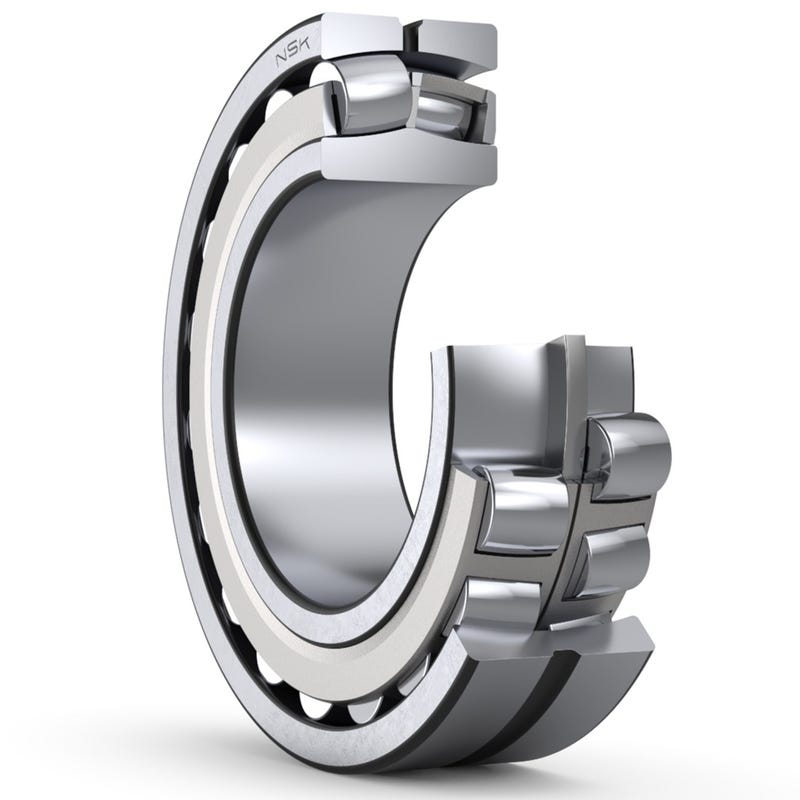
The first digit of the number gives the bearing type, the next one or two give the series, and the last two give the bore. Bearing 22208 is a spherical roller bearing, series 22, for a 40 mm shaft.
Updated
Contents
A bearing number is read from left to right. The first digit or letters give the type: ball, roller, spherical, thrust. The next one or two digits give the dimension series: how wide and heavy the bearing is for the same shaft. The last two digits are the bore code. For codes from 04 up, multiply them by 5 to get the shaft diameter in millimeters. Bearing 22208 is a spherical roller bearing (2), series 22, for a 40 mm shaft (08 × 5). This part of the number is built the same way at NSK, SKF, FAG, Koyo and Chinese plants. The letters after the digits are not. They have a separate article.
What the number is made of
Manufacturers split the designation into two parts. The basic designation follows ISO and Japanese JIS standards, so it is the same across brands. The supplementary designation is the letters and digits after it: version, cage, clearance, seals. Each plant can define their meaning in its own way. NSK says so directly in its reference section.
The basic designation has three parts:
- Type code: the first digit or letters.
- Dimension series: one or two digits, the width series and the diameter series.
- Bore code: the last two digits.
For angular contact bearings, a contact angle letter follows the bore code.
The first digit: bearing type
| Code | Type | Where it is most common |
|---|---|---|
| 1 | self-aligning ball bearing | shafts with slight misalignment |
| 2 | spherical roller bearing (for series 22, 23, 213, 230 and so on) | gearboxes, fans, crushers, shafts with misalignment |
| 3 | tapered roller bearing | hubs, gearboxes with axial load |
| 5 | thrust ball bearing | vertical shafts, axial load |
| 6 | deep groove ball bearing | electric motors, pumps, general engineering |
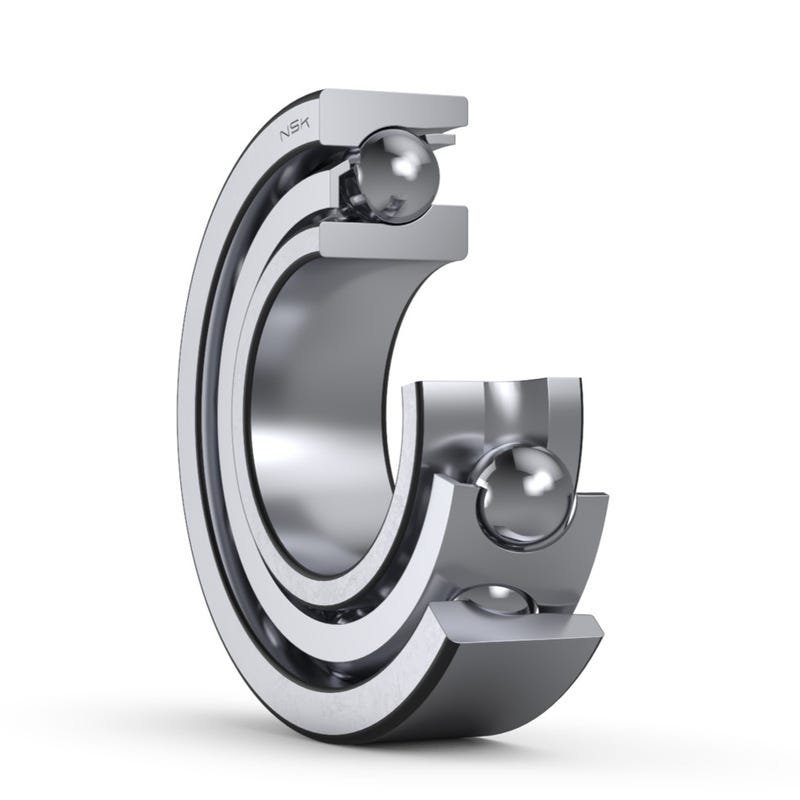
| 7 | angular contact ball bearing | spindles, pumps, axial load from one side |
| N, NU, NJ, NUP | cylindrical roller bearing | heavy radial loads |
The digit 2 also appears in other combinations. For example, 29 is a spherical roller thrust bearing. So the type is read from the first two or three digits together, not from one.
The middle digits: dimension series
The dimension series shows how massive the bearing is for the same shaft. The first digit of the series is the width, the second is the outside diameter. The digits 0 and 1 in the width series are often left out. That is why the ball bearing 6205 shows one series digit (2) and the spherical 22208 shows two (22).
A catalog example: 22208 and 22308 are both spherical roller bearings, both for a 40 mm shaft. But 22208 measures 40×80×23 mm and 22308 measures 40×90×33 mm. Series 23 is thicker and wider and carries a heavier load. It will not fit the seat made for 22208.
There are exceptions by tradition. By logic, series 213 should be written 203, but it has always been designated 213. Bearing 21306 in the catalog is a spherical roller bearing, series 213, for a 30 mm shaft.
The last two digits: shaft diameter
| Bore code | Shaft diameter |
|---|---|
| 00 | 10 mm |
| 01 | 12 mm |
| 02 | 15 mm |
| 03 | 17 mm |
| 04 … 96 | code × 5: 04 → 20 mm, 05 → 25 mm, 08 → 40 mm, 18 → 90 mm |
| /22, /28, /500 | the number after the slash is the diameter in millimeters |
The rule works for metric bearings with a shaft from 10 to 480 mm. Non-standard diameters are written with a slash, for example 62/22 means a 22 mm shaft. For small bearings with a three-digit number, such as 608, the last digit is itself the diameter: 8 mm.
Three examples from the catalog
- 6205 is a deep groove ball bearing (6), diameter series 2, 25 mm shaft. One of these sits, for example, in the 1.5 kW motor from the catalog.
- 7318 BW is an angular contact ball bearing (7), series 3, 90 mm shaft. For this type the letter B means a 40° contact angle. The outside dimensions are 90×190×43 mm.
- UC210 is an insert bearing for UCP and UCF housings. Inserts follow their own designation system, separate from radial bearings. UC210 has a 50 mm shaft, but for inserts check the diameter in the catalog, not by the formula.
What the number does not tell you
The number gives the type and three dimensions: bore, outside diameter and width. But two bearings with the same basic number can differ in version: roller shape, cage, clearance, bore (cylindrical or tapered) and seals. All of this is in the letters after the digits.
So NSK 22208 and SKF 22208 match in dimensions, but not necessarily in version. If anything is stamped after the digits on the old bearing, copy all of it. A replacement is checked by version, not by dimensions alone.
How we do it
- From the number on the face of the ring, or from three dimensions, we find the item at the manufacturer. We check the suffixes against the plant's own catalog, not against resellers' tables.
- We send you what we found before the order: dimensions, version, photos. If the version differs from the old one, we say so directly.
- At the plant we check the marking on the ring and the packaging against your number.
What this article relies on
Below are the documents and materials we refer to, so that you can check what is said for yourself.
Standards and documents
- BSI. BS ISO 15:2017 Rolling bearings. Radial bearings. Boundary dimensions, general plan (description)text ↗
Reference materials
- NSK. Bearing Designationsnsk.com ↗
- Koyo (JTEKT). Bearing numberkoyo.jtekt.co.jp ↗
- TAMINOTA catalog: items TMN-NSK-22208, TMN-NSK-22308, TMN-NSK-21306, TMN-NSK-7318BW, TMN-NSK-UC210D1, TMN-EM-1K5 — dimensions and versions.