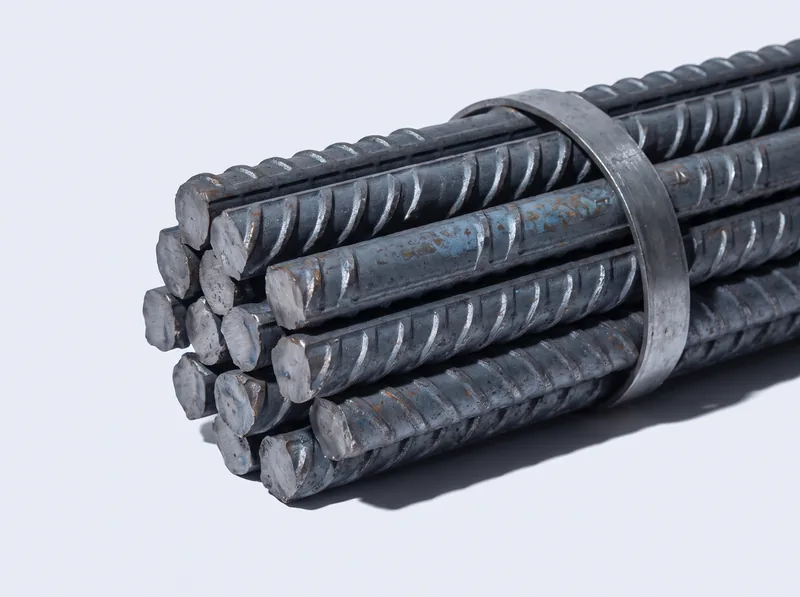
A500C · Ø6–40 · 6–12 m · GOST 34028-2016
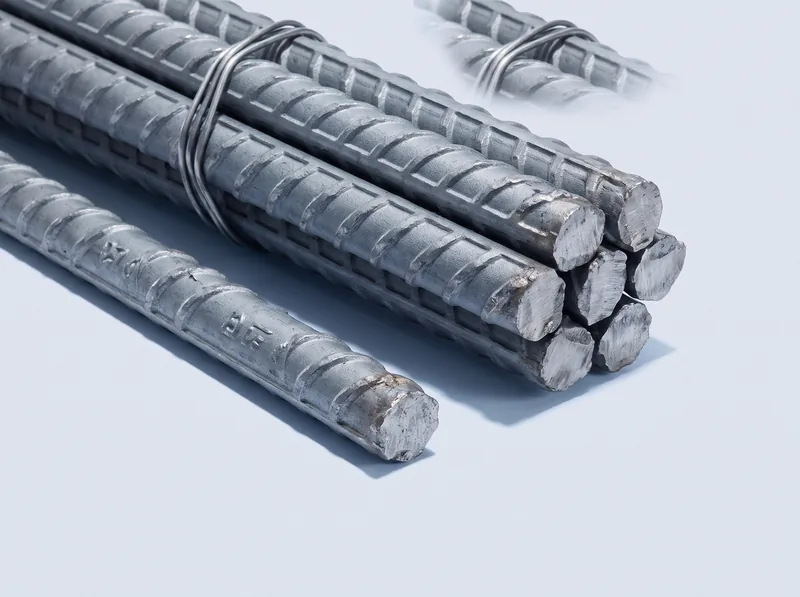
A500C rebar
Weldable grade 500 rebar to GOST 34028-2016, crescent rib pattern, Ø6–40 mm, from mills in China
Deformed reinforcing bar for reinforced concrete structures: GOST 34028 and GOST 5781 for construction sites in Uzbekistan, GB/T 1499.2 as rolled by mills in China, ASTM A615 for export projects. We find a mill for the project specification, agree the grade and diameters, inspect the batch at the mill before shipment and deliver to your warehouse with the mill test certificate (MTC).
A500C · Ø6–40 · 6–12 m · GOST 34028-2016
Weldable grade 500 rebar to GOST 34028-2016, crescent rib pattern, Ø6–40 mm, from mills in China
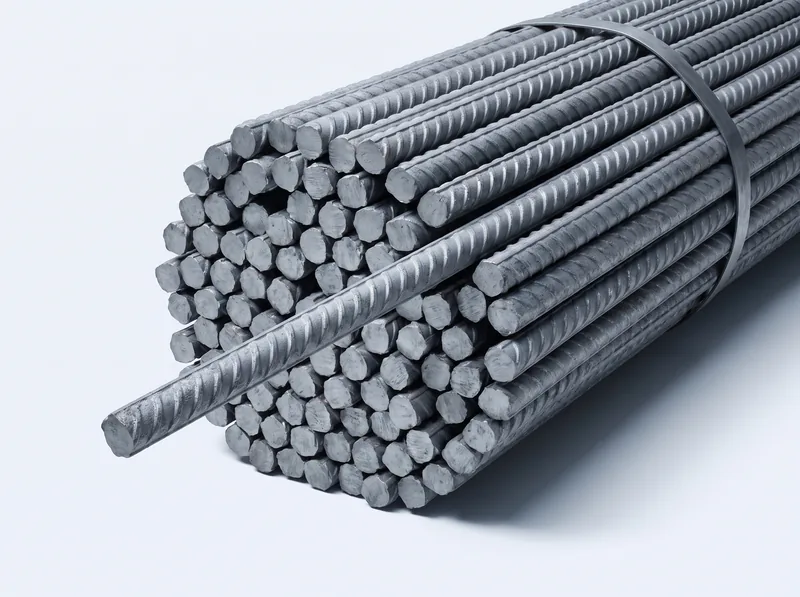
A400 (A-III) · Ø6–40 · 25G2S, 35GS · GOST 5781-82
Hot-rolled grade A-III rebar to GOST 5781-82 from steel 25G2S and 35GS, herringbone rib pattern, Ø6–40 mm
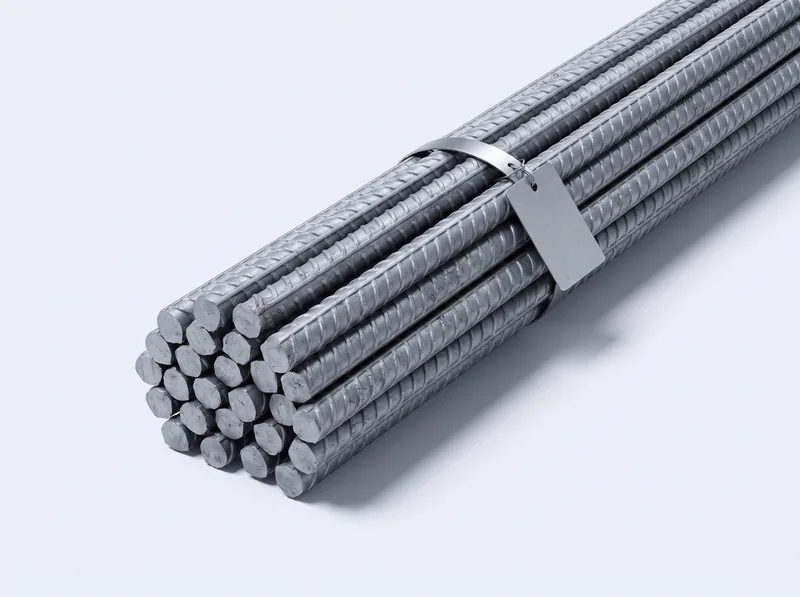
HRB400E · Ø6–50 · 9–12 m · GB/T 1499.2-2018
Hot-rolled seismic grade 400 rebar to GB/T 1499.2-2018, Ø6–50 mm, the standard product of mills in China
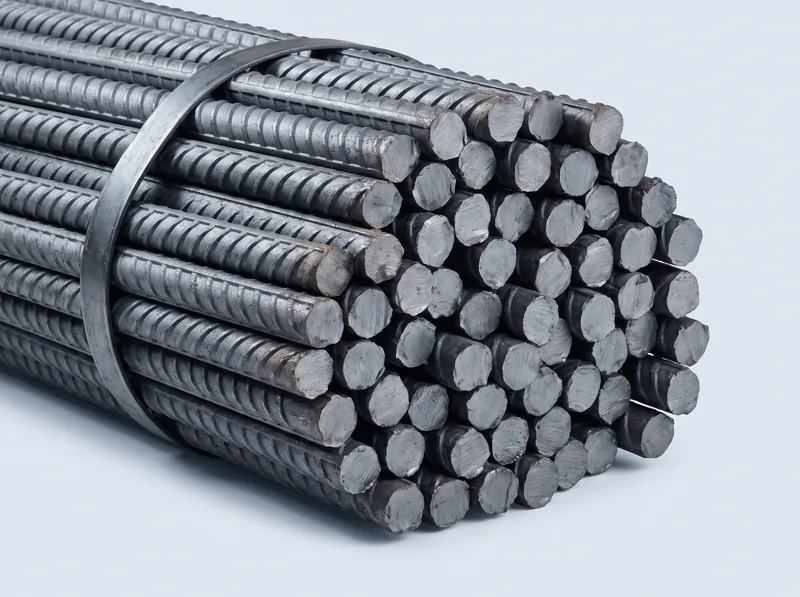
HRB500E · Ø6–50 · 9–12 m · GB/T 1499.2-2018
Hot-rolled seismic grade 500 rebar to GB/T 1499.2-2018, Ø6–50 mm, the nearest equivalent of A500C
Grade 60 [420] · #10–#57 · 12 m · ASTM A615/A615M
Grade 60 [420] rebar to ASTM A615/A615M, sizes #10–#57 (9.5–57.3 mm), for projects to US codes
Rebar is a hot-rolled or thermomechanically strengthened deformed bar that carries tension in concrete. The grade is set by yield strength: A400 from 390 N/mm² under GOST 5781 and from 400 N/mm² under GOST 34028, A500C and HRB500 from 500 N/mm², ASTM Grade 60 from 420 N/mm². Surface ribs provide bond with concrete; their shape and spacing are specified by the standard and differ between GOST, GB and ASTM.
Mills in China roll rebar to GB/T 1499.2-2018 from microalloyed steel with vanadium or niobium; the E suffix denotes the seismic version with a check of the tensile-to-yield ratio and the total elongation at maximum force. For GOST projects the same mills produce A500C and A400 to GOST 34028-2016 and GOST 5781-82 with a mill test certificate to those standards. Grade correspondence between standards is by yield strength; chemical composition, weldability and rib profile differ between equivalents, so any change of grade is agreed with the structural designer.
The bureau works with the mill under a contract: the project specification is converted into an order stating the standard, grade, diameters, lengths and certificate requirements. Before shipment the bureau's inspector at the mill checks the batch against the order — diameters, rib profile, marking, heat numbers on the certificate and on the tags, packing — and draws up an inspection report with photographs. The batch is sized to your volume — send your specification.
| GOST | GB (China) | ASTM | EN | Note |
|---|---|---|---|---|
| A240 (GOST 34028), A-I (GOST 5781) | HPB300 (GB/T 1499.1) | Grade 40 [280] | — | Plain round bar. Yield strengths differ: 240, 300 and 280 N/mm². |
| A400 (GOST 34028) | HRB400 / HRB400E | Grade 60 [420] | — | Nearest equivalents by yield strength of 400–420 N/mm². Grade 60 under ASTM A615 is not intended for welding. |
| A-III / A400 (GOST 5781, 25G2S, 35GS) | HRB400 / HRB400E | Grade 60 [420] | — | Nearest equivalent. Steel 35GS has limited weldability; HRB400 is rolled from microalloyed steel with a carbon equivalent of up to 0.54 %. The GOST 5781 rib pattern is herringbone, the GB pattern is crescent. |
| A500C (GOST 34028) | HRB500 / HRB500E | Grade 75 [520] | B500B | B500B (BS 4449, DIN 488 within EN 10080) is the equivalent by yield strength of 500 N/mm²; HRB500E and Grade 75 are the nearest equivalents. A500C is weldable, carbon equivalent up to 0.52 %. |
| A500C (GOST 34028) | HRB400E | Grade 60 [420] | B500B | Replacing A500C with HRB400E lowers the design strength and requires the reinforcement to be recalculated — only with the structural designer's approval. |
| A600 (GOST 34028) | HRB600 | Grade 80 [550] | — | Nearest equivalents: yield strength 600, 600 and 550 N/mm². |
Equivalents are the closest match, not identical: chemistry and tolerances differ between standards. The exact grade and standard are written into the contract.
Price request
Steel pricing depends on grade, size, tonnage and delivery terms on the day of contract. A number on the page would be wrong by the time you read it.
Request received