When to order a sample before the lot, and when you don't need one
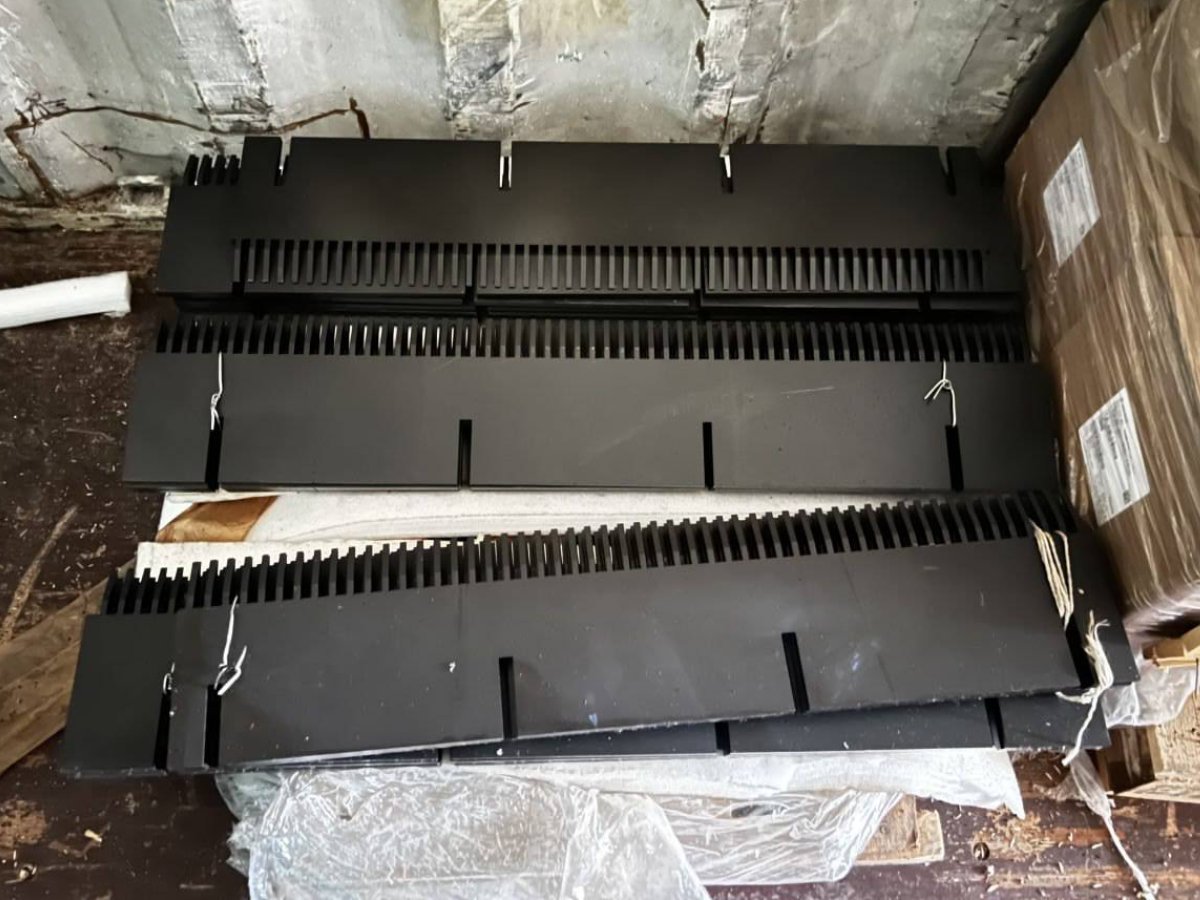
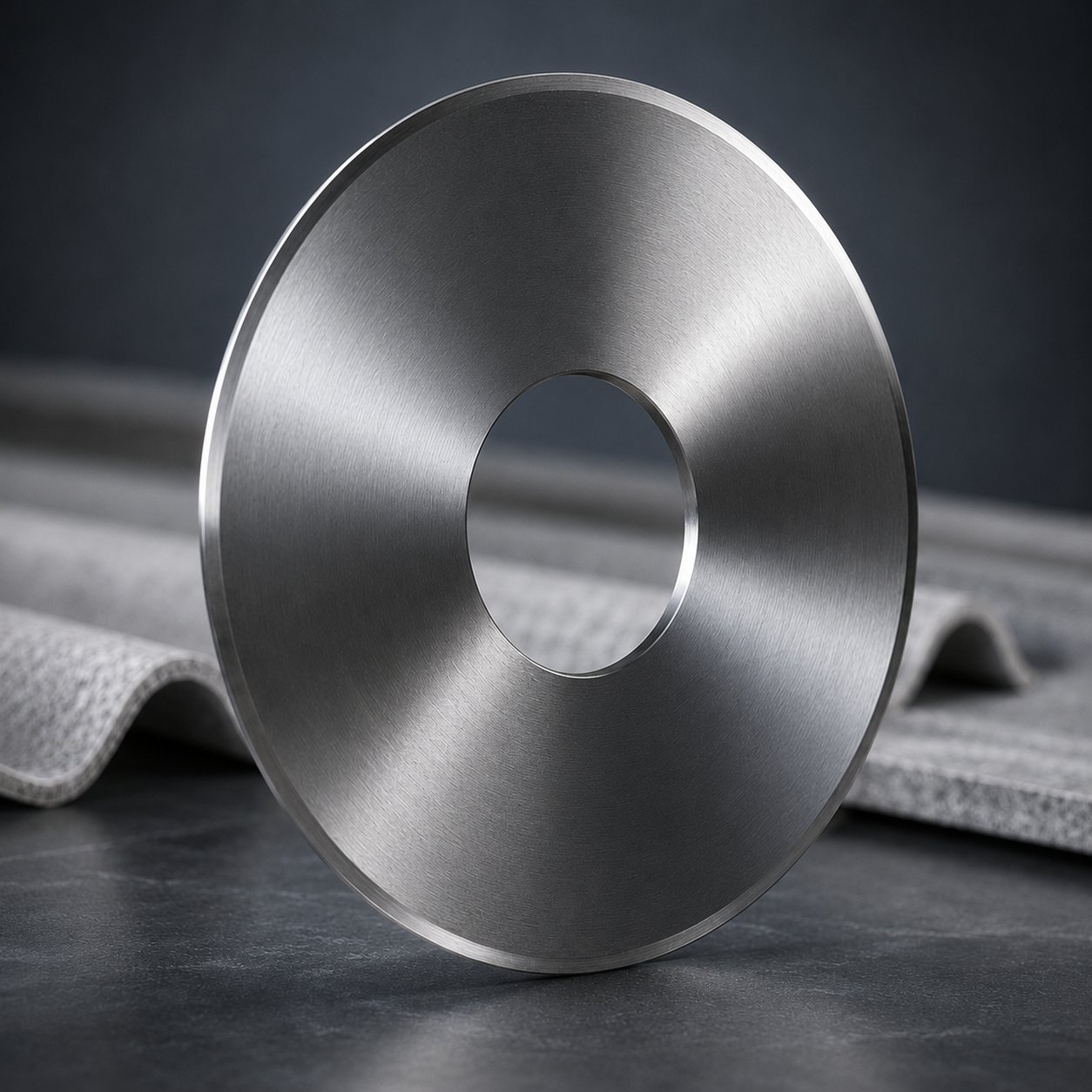
A sample is needed when quality cannot be described by a number: forming fabrics, screens, knives, rubber products, parts made to a drawing, a new plant. It is not needed for a standard unit with a catalog number, such as a bearing or a motor. An approved sample becomes the reference against which the whole lot is checked.
Updated
Contents
A sample is needed where a number and a drawing do not fully describe the quality. These are consumables that work "in place": forming fabrics, dryer screens, knives, seals. They are parts made to your drawing, and a first order from a new plant. A sample is not needed for a standard unit with a catalog number: a bearing or a motor from the manufacturer's catalog is already described by its number. The point of a sample is not the fact that one was sent. The point is that once approved it becomes the reference, and the lot is accepted against it.
When a sample is needed and when it is not
| Situation | Sample | Why |
|---|---|---|
| Fabric, screen, filter cloth | needed | weave, density and behavior on the machine are not visible from a number |
| Knives, cutting tools | usually needed | hardness, edge geometry and fit are checked in practice |
| Rubber products, non-standard seals | needed | the rubber material and hardness cannot be determined from a photo |
| A part made to your drawing | needed | the first part shows how the plant understood the drawing |
| A new plant, first order | desirable | it tests the plant itself, not only the product |
| Bearing, motor, gearbox by catalog number | not needed | the manufacturer's number describes the product completely |
| A repeat order for the same product from the same plant | not needed | the reference already exists, and you check against it |
The line is drawn not by the price of the part but by the question: can the product be checked by its number and passport? If yes, a sample is an extra step. If quality is visible only in operation, then without a sample the lot becomes a lottery.
There is also an in-between case: a standard unit, but from an unfamiliar plant. The number describes the product, but does not say how the plant makes it. Here a sample is useful as a check on the plant: it shows the quality of the workmanship, the packaging, and how well the plant's answers match what it has sent.
What a sample gives you
- A check before the lot. A mistake in understanding the drawing or in the material is found on one piece, not on a hundred.
- A trial on your machine. A fabric, knife or screen is put on the line and watched in operation.
- A reference for the plant. The plant sees exactly which product you approved.
- A reference for inspection. The inspector at the plant compares the lot with the sample, not with a description.
- A basis in a dispute. If the lot differs from the approved sample, the difference can be seen and measured.
How to approve a sample so it becomes a reference
A sample that has just sat in a warehouse proves nothing. To make it work, it is formalized.
- Describe the requirements in writing. Dimensions with tolerances, material, hardness, mass, color: everything that can be measured. The sample supplements the description, it does not replace it.
- Check and test. Measure it, and put it on the machine if it is a consumable.
- If it does not fit, say exactly what is wrong. The plant makes a new sample. The lot is not launched until the sample is accepted.
- Approve in writing. Sign and date the sample and the accompanying sheet: order number, date, material grade, requirements.
- Seal and split. Usually several identical copies are made. One stays at the plant, one with whoever inspects the lot, one with you.
- Refer to the sample in the contract. A line such as "the lot must conform to the approved sample of such-and-such a date" turns the sample into a condition of delivery.
When a sample does not save you
- The sample was made by hand by the best craftsman, while the lot is made on a production line. That is why the lot is also checked before shipment, by comparing it with the reference.
- A sample without tolerances. "Like the sample" without numbers is easy to dispute: the plant will say the difference is within the norm.
- Large equipment. You cannot send a machine tool as a sample. What works here is photos, video from the workshop, test reports and inspection at the plant.
- A sample from a different batch of raw material. For fabrics and rubber the raw material matters. Ask whether the order will come from the same batch of material.
How many pieces to check in a lot
The approved sample says what to compare against. How many items from the lot to compare is decided separately. In international practice the sample size for acceptance inspection is determined under ISO 2859-1: the sampling plan is chosen by lot size, inspection level and the agreed acceptable quality limit (AQL). The standard is paid, so there are no tables here. It is better to write the level into the contract in advance.
How we do it
- Before the order we send what we have found: photographs, specifications and the plant's answers to your questions.
- Where the answer must come from the plant, such as material, version or tolerance, we ask the plant and pass on its word, not our own assumption.
- We inspect the lot at the plant before shipment: whether it is the right item, the right quantity, in the right version. The inspection report and photographs come to you.
What this article relies on
Below are the documents and materials we refer to, so that you can check what is said for yourself.
Reference materials
- HKTDC Sourcing. What is a golden sample in manufacturing, and why are they essentialsourcing.hktdc.com ↗
- NewBuyingAgent. Sealed golden sample protocol and tolerance limitsnewbuyingagent.com ↗
- SQC Online. ISO 2859-1 tables: sampling by attributes (description of sampling plans)sqconline.com ↗