What is checked at the plant before shipment
Four things are checked before shipment: is it the right item, do the dimensions fit, is the whole lot there, and will the packing survive the trip. This is the only moment when a mistake can be fixed at the plant rather than after delivery.
Updated
Contents
Pre-shipment inspection is a check of the finished lot at the plant, before it leaves. Four things are checked: is it the right item, do the dimensions match, is the whole lot assembled, and is the packing fit for the road. The result goes into a report with photos. The point is the timing: at the plant a mistake is fixed by replacing an item, while after delivery it means a return trip, negotiations and a stopped line.
When it is done
The inspection is scheduled when the lot is ready and mostly packed. Inspection companies name a threshold of 80% completion or more: earlier, there is nothing to count; later, the container is already closed. The plant gives the ready date in advance, and the visit is planned around it.
There are also interim checks, at the start of production or in the middle. For large equipment they are sometimes added. For spare parts, one check before shipment is usually enough.
The four checks
| Check | What is looked at | How |
|---|---|---|
| Part number | whether the marking, nameplate and lot certificate match what you ordered | by eye and against documents |
| Dimensions | mounting dimensions and overall size: will the part fit your unit | calipers, micrometer, a hardness tester if needed |
| Lot | is it the right item, the right quantity, the right version, and is the set complete | count against the specification |
| Packing | will the packing survive transport, not just movement around the workshop | crating, moisture protection, fixing inside the box |
Part number
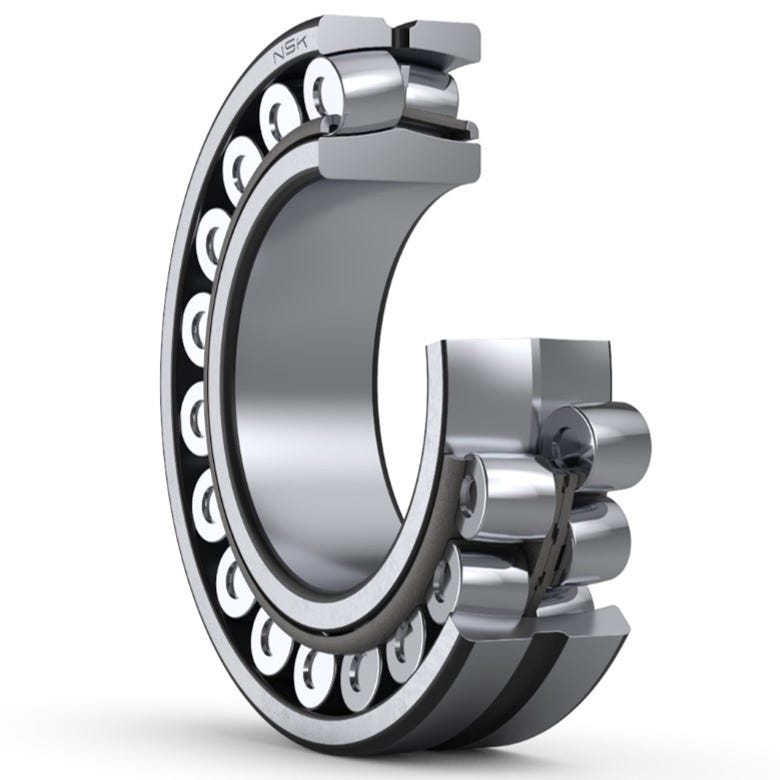
The most common mistake is not a defect but a substitution: a similar model, a different version, a different suffix in the number. For example, a bearing of the same size but with a cylindrical bore instead of a tapered one. From outside they hardly differ. So what is compared is not the appearance but the marking on the item and the line in the documents.
Dimensions
We measure what installation depends on: fit diameters, distances between mounting holes, shaft length and type. The general look of the part is secondary here. If the question cannot be settled by measuring (material, heat treatment, tolerance), it is put to the plant. The report carries the plant's answer, not the inspector's guess.
Lot
Items and packages are counted against the specification. The version is checked: motor voltage, pump direction of rotation, completeness of the unit. For many identical items, each one is usually not measured. A sample is taken: in international practice its size is worked out under ISO 2859-1 from the lot size and the acceptable defect level, which is written into the contract in advance.
Packing
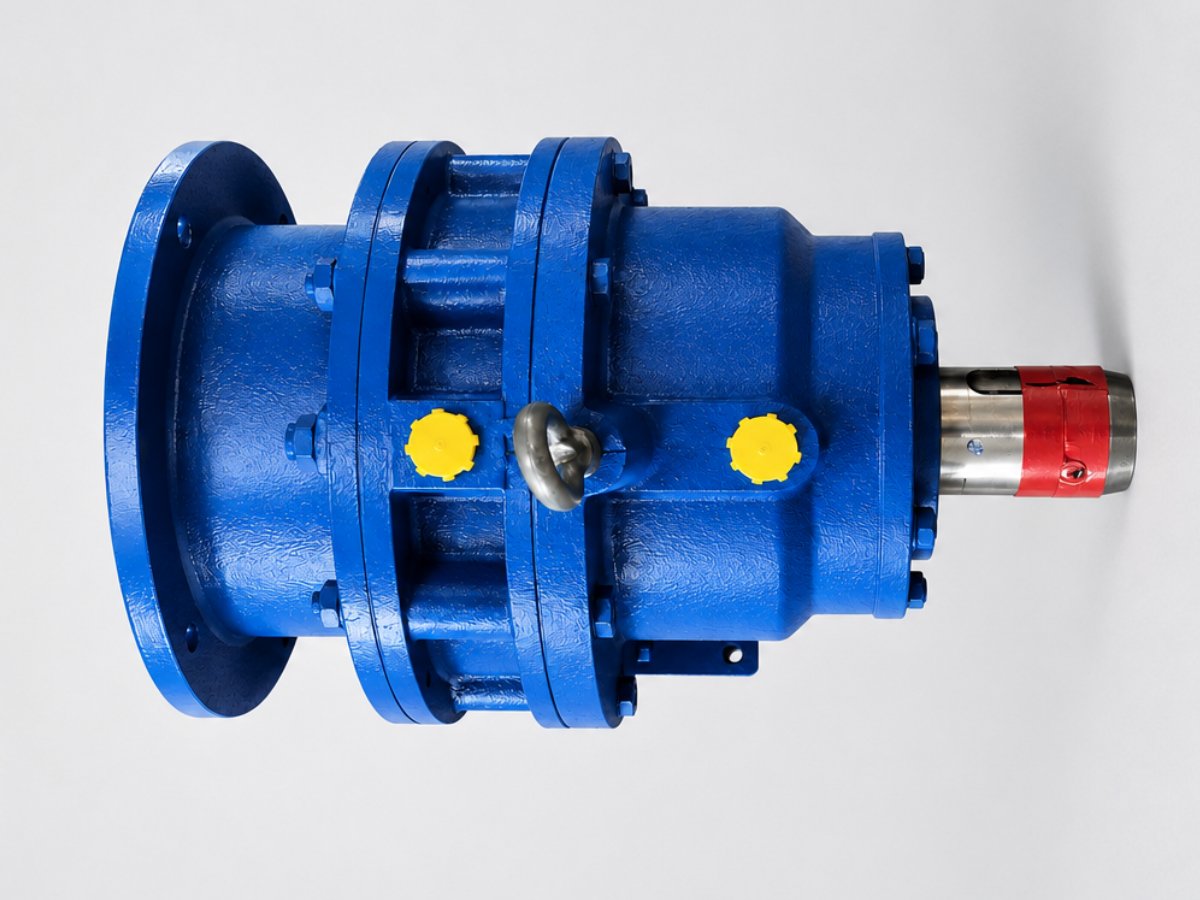
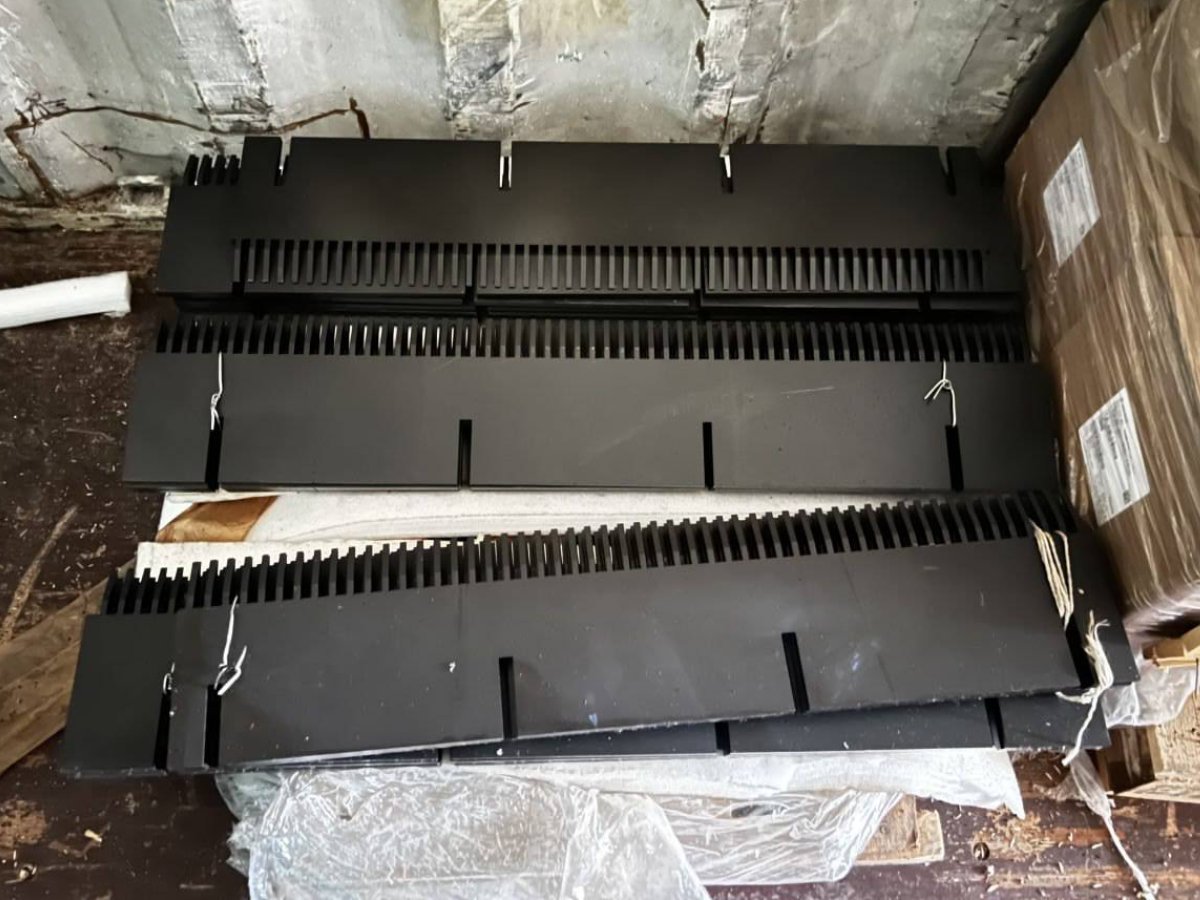
Workshop packing is designed for forklift movement inside the plant. The road from China means rough handling, vibration, and swings in temperature and humidity. So we look at the crating, moisture protection, fixing inside the box, plugs on open hydraulic ports and the marking of packages. The number of packages and the weight are checked against the packing list.
What goes in the report
An inspection report is a short document for the lot. It contains:
- the order number, the plant, the items per the specification;
- what was checked and with what, how many items were inspected and measured;
- the result for each check: matches or does not;
- numbered photos that the text of the report refers to.
Photos not tied to the lot prove little. So the frame must show the marking on the item, the package number, and a tool with a readable scale.
What happens on a mismatch
A mismatch is written into the report before loading. The lot does not leave until the plant fixes it: replaces the item, finishes it, repacks it. For the plant this is cheaper than a return shipment. For you it means no downtime waiting for a second delivery.
The inspection report then also works at your warehouse. On receipt, the same items and the same packages are checked. If something was damaged on the road, you can see in what condition the lot left the plant.
When we do not go to the plant
An on-site check is not always justified. For a small lot that the plant ships straight to the carrier, the trip may cost more than the cargo itself. In that case we rely on photos and the plant's answers before the order, and on receiving at the warehouse. It is important that this decision is made and stated before the order, not discovered afterwards.
How we do it
- We inspect the lot at the plant before shipment on four points: part number, dimensions, lot, packing. The report and the photos come to you.
- Where the answer must come from the plant (material, version, tolerance), we ask the plant and pass on its word.
- On small lots, when the plant ships straight to the carrier, we do not go to the plant, and we tell you in advance.
- If you want your own specialist at the plant, we arrange his presence.
What this article relies on
Below are the documents and materials we refer to, so that you can check what is said for yourself.
Reference materials
- QIMA. Pre-Shipment Inspection Procedureqima.com ↗
- HQTS. Pre-Shipment Inspectionhqts.com ↗
- Koyo (JTEKT). Bearing number (designation of the tapered bore, K)koyo.jtekt.co.jp ↗