European line: can you use Chinese equivalents of spare parts
You can, but not equally for everything. Standard units — bearings, motors, pneumatics, general-purpose pumps — are chosen by the parameters and marking of the unit itself: their dimensions are common under international standards. Felts and screens only after a trial on the machine. Proprietary electronics and unique parts of the line are safer to take from its manufacturer or to make from a sample with checking.
In short
5minutes to read
6sections
4sources
3catalog items
In this article
- 01Three groups of parts
- 02Standard units: dimensions are common
- 03Process consumables: only through a trial
- 04Proprietary units: where the risk is
- 05What to send for choosing an equivalent
Contents
Chinese equivalents can be used on a European line, but the decision depends on the group of the part. Standard units — bearings, electric motors, pneumatics, general-purpose pumps, sensors — are chosen by the marking and parameters of the unit itself: their dimensions are set by international standards, and many plants make them. Felts and screens only after a trial on your machine: their data sheets cannot be compared. Proprietary electronics and parts known only to the line manufacturer are safer to take from him or to make from a sample with a check on the machine.
Three groups of parts
| Group | Examples | How to choose an equivalent | Risk |
|---|---|---|---|
| Standard units | bearings, general-purpose motors and gearboxes, pneumatic cylinders and valves, sensors, belts, chains | by the marking on the unit itself and by parameters | low, if the number is copied in full and the unit is not counterfeit |
| Process consumables | forming felts, screens, roll covers, knives, vacuum box covers | by dimensions and specification, then a trial on the machine | medium: the behavior is seen only in service |
| Proprietary units | control boards and units, programs, unique mechanisms, parts with the line manufacturer's number | from the line manufacturer or from a sample with checking | high for a copy |
Standard units: dimensions are common
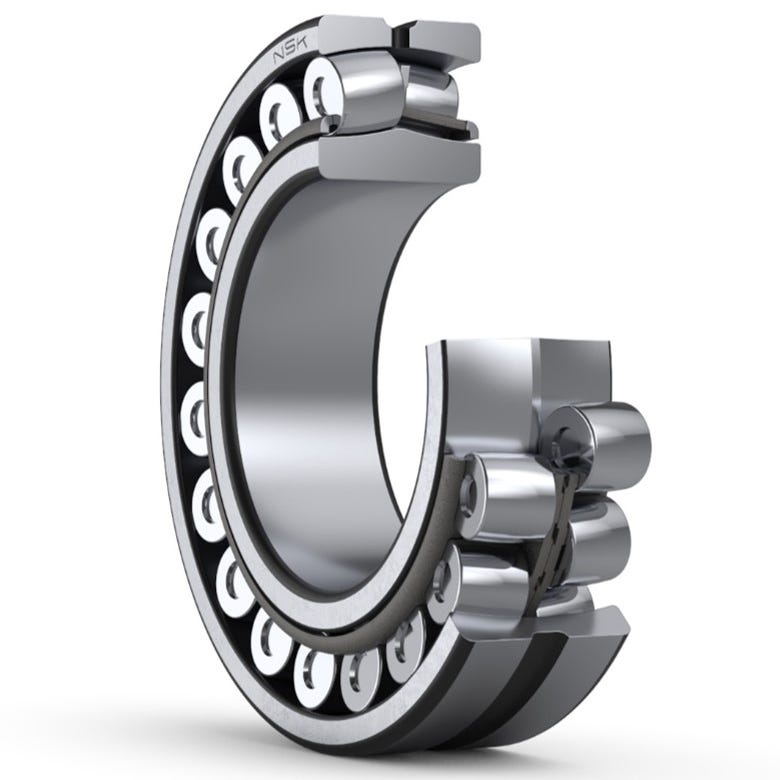
A bearing on a European machine is a product of an ordinary bearing maker. Its connecting dimensions — bore, outside diameter, width — are set for radial bearings by the international standard ISO 15. So a bearing with the same designation and version fits in place regardless of the plant. It is important to copy the whole designation from the ring: the letters after the number tell about seals, clearance and cage.
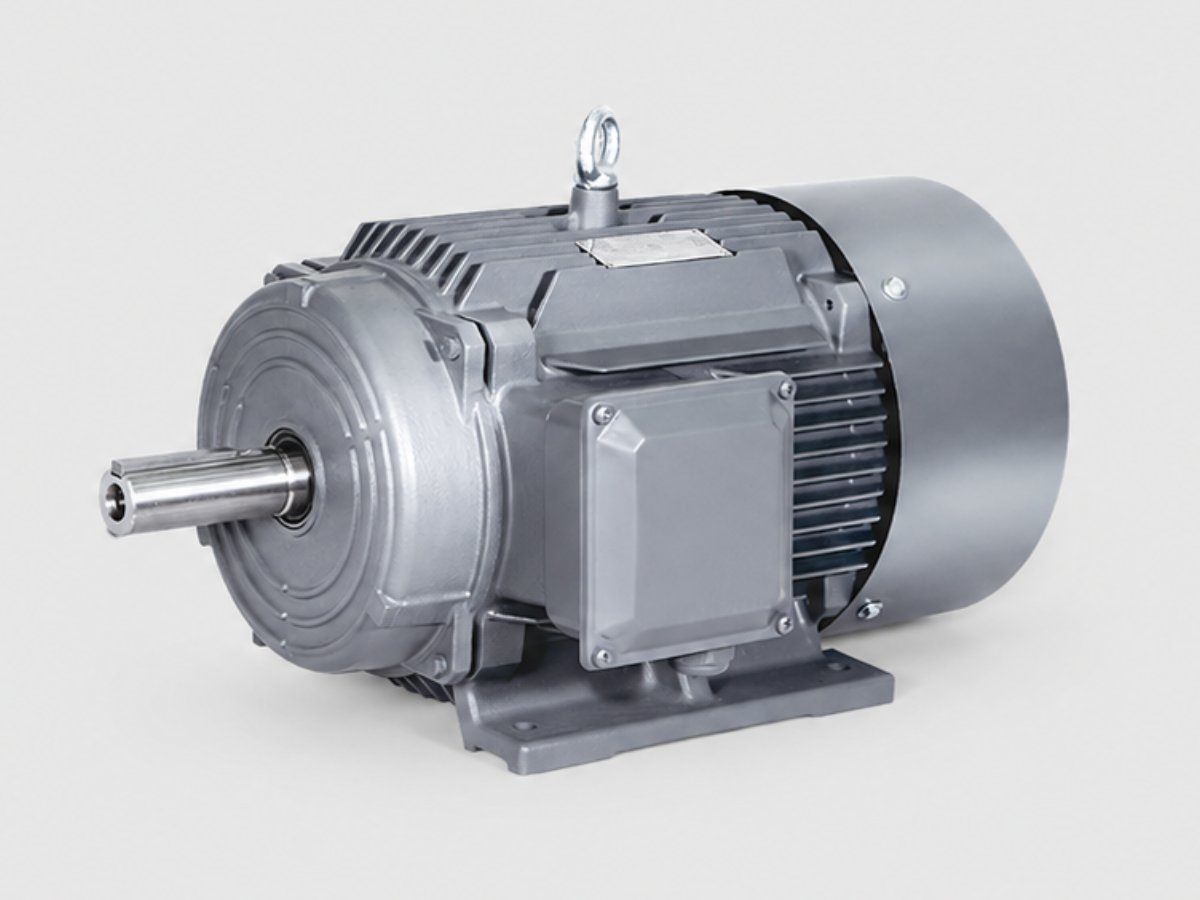
Motors are similar. The dimensions of shaft height, mounting, flange and shaft for industrial motors are set by the IEC 60072-1 standard: shaft heights from 56 to 400 mm, flanges from 55 to 1080 mm. A motor from another plant with the same frame size, power and speed will fit the same holes. But the same power and speed alone do not yet mean the same frame size. How to compare is covered in the article on motor replacement.
The main mistake is to order by the number from the line catalog. In the machine's spare parts catalog the number is the item number of the line manufacturer. The maker of the bearing or motor does not know it. You need the marking from the unit itself or its nameplate.
Process consumables: only through a trial
A felt, a screen, roll covers and vacuum box covers work in contact with the slurry and the sheet. They can be ordered from another maker by dimensions and specification, but how they behave is shown only by the machine. For felts from different plants the figures in the data sheet are often measured by different methods, so comparing them on paper is useless.
The procedure: one felt or one set for a trial, a service log, comparison with the usual consumable of the same age, then a stock. How to run a trial is covered in a separate article.
Knives and parts to drawing are ordered by drawing or measurement. Before a lot, put one part on the machine.
Proprietary units: where the risk is
Controllers, panels, drive boards, programs and unique mechanisms are designed by the line manufacturer. He alone knows how they are tied to the rest of the machine. Compatible copies can work, but:
- No one promises compatibility. The copy was tested on another machine, another series or another program version.
- Warranty and service contract. If the line is under warranty or service from the manufacturer, find out before ordering how a non-original part will affect them.
- Repair instead of replacement. A board or unit can sometimes be repaired. Ask the manufacturer's service before looking for a copy.
- Series out of production. If a controller is no longer made, it is sometimes more sensible to move to its successor and transfer the program than to look for the old unit.
If you do take a compatible part, call it compatible, not original. A part sold as original at the price of a copy is a reason to be wary.
What to send for choosing an equivalent
- Make, model, year and serial number of the line and the machine.
- The item number from the line's spare parts catalog, if there is one.
- Marking from the unit itself: photo of the nameplate, of the bearing ring, of the housing.
- Photos of the unit on the machine and separately, with a ruler.
- For felts and screens: dimensions, label and specification of the current one.
- What has already been tried and why it did not fit.
How we do it
- By the marking of the unit, a photo of the nameplate or a drawing, we look for the item at the manufacturing plant. What we find, with the price, photos and specifications, we send before the order.
- A compatible part we call compatible, not original, and write how it differs.
- We inspect the lot at the plant before shipment: part number, dimensions, lot, packaging.
What this article relies on
Below are the documents and materials we refer to, so that you can check what is said for yourself.
Standards and documents
- ISO 15:2017 "Rolling bearings — Radial bearings — Boundary dimensions, general plan", description in the Standards Council of Canada catalog: connecting dimensions of radial bearingstext ↗
- IEC 60072-1:2022 "Rotating electrical machines — Dimensions and output series — Part 1", VDE preview extract: shaft heights 56–400 mm, flanges 55–1080 mm, connecting dimensionstext ↗
Reference materials
- AstenJohnson, "Paper Machine Clothing", 2nd ed., ch. 3 (preview extract): different methods and pressures in measuring felt air permeabilityastenjohnson.com ↗
- Heidelberg, page on original service parts: warranty terms on original parts, supply for machines out of production (an example of an equipment manufacturer)heidelberg.com ↗
The division into three groups follows general sourcing practice. The ISO and IEC standards are paid; their descriptions and preview extracts were used.