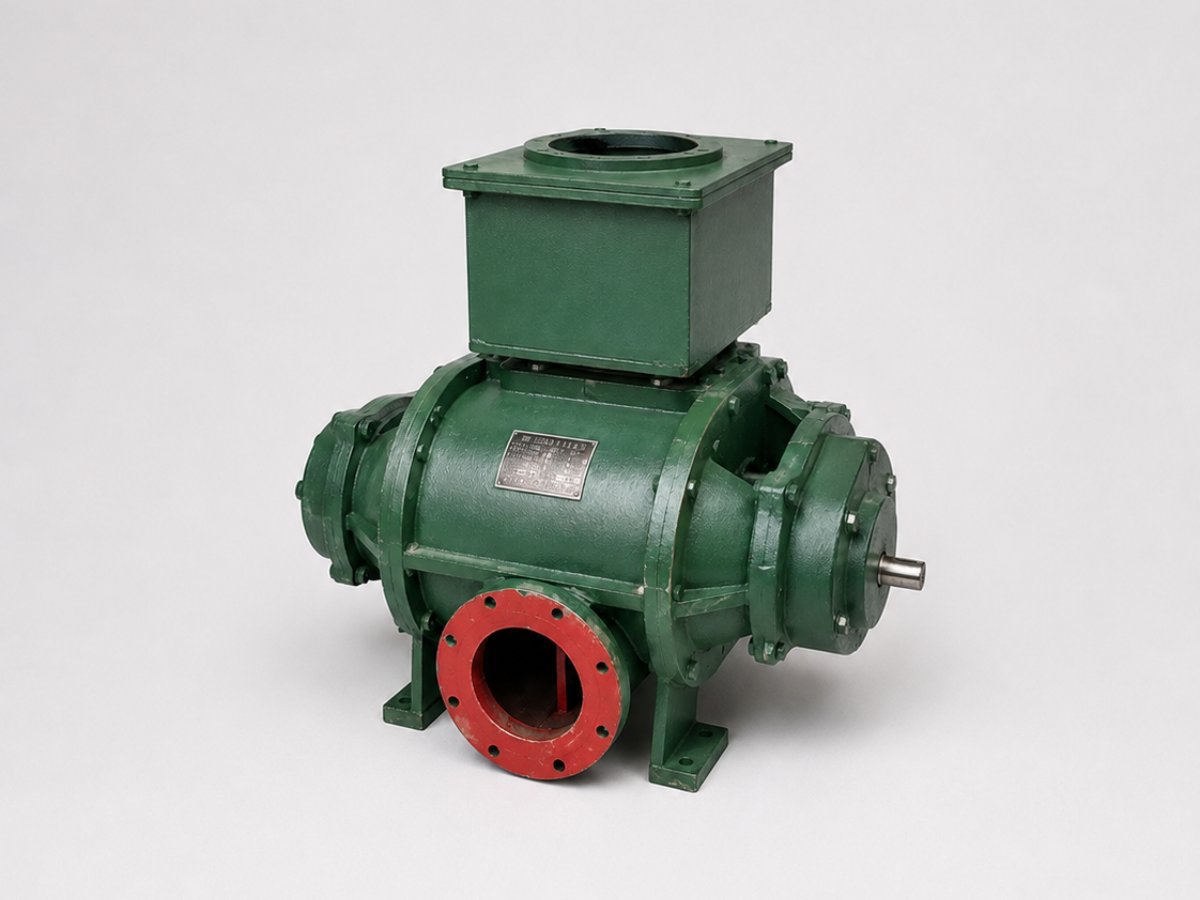
Vacuum pump and vacuum boxes of a slate machine
We source vacuum pumps and vacuum box covers for Hatschek machines from the manufacturing plant. A replacement pump is selected by duty point, speed, connection and power, not by a similar model.
+998 99 011 62 29Tashkent, Uzbekistan · UTC+5For selection
What to send for selection
The fuller the data, the more accurate the selection. Send it in the request below or as photos on Telegram.
- 01
Capacity and vacuum
How much the pump draws at your working vacuum (m³/min or m³/h), not the maximum.
- 02
Speed, drive, power
Speed, drive (direct, by belt or through a gearbox) and motor power of the old pump.
- 03
Connection
Port diameters and flanges, their position, overall size and frame mounting.
- 04
Nameplate in two shots
A wide shot where the plate is visible whole, and a close one where every line is legible.
- 05
Box cover dimensions
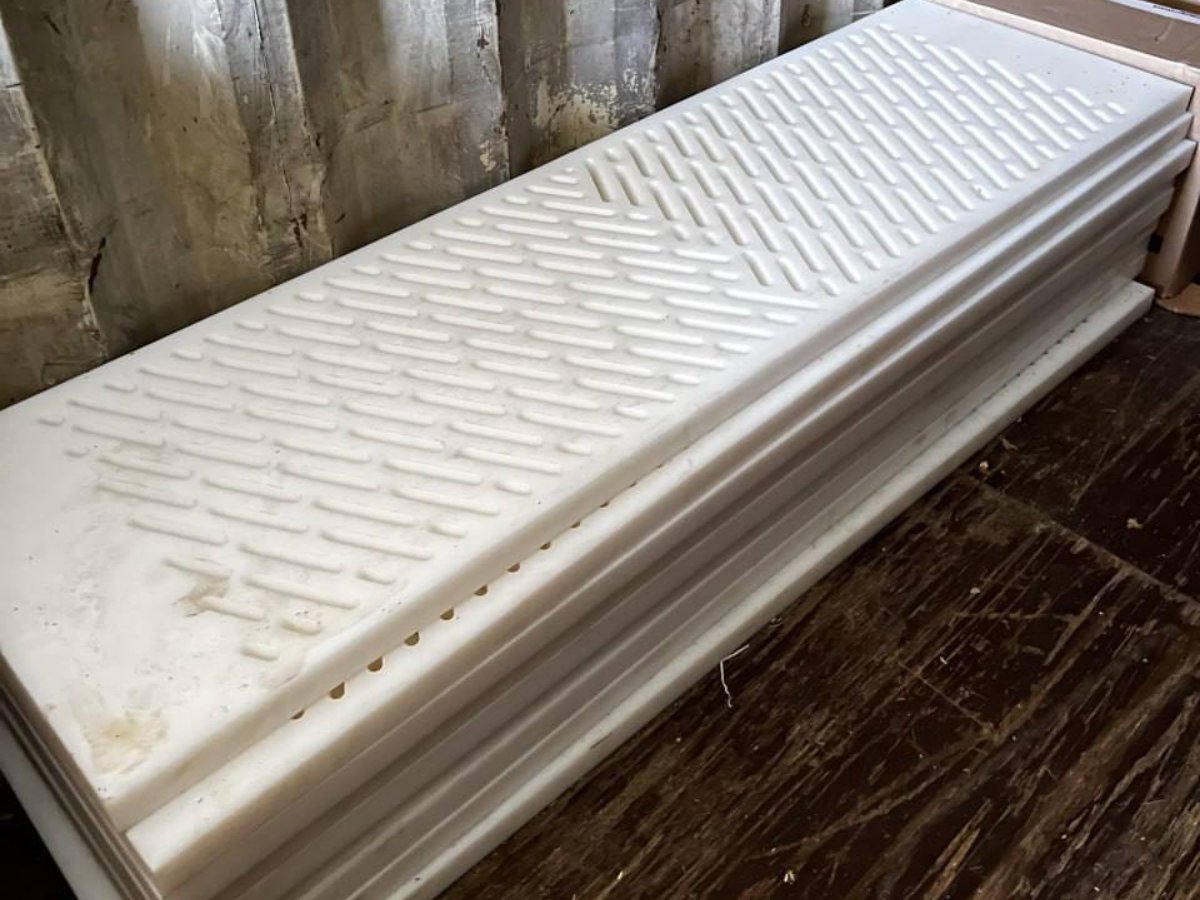
Length, width and thickness of the cover, number and size of slots or holes, and their pitch.
- 06
Cover material and fastening
Polyethylene, ceramic or other; fastening in a groove, with screws or glued.
Catalog
Catalog items
How we work
One bureau, from the plant to the acceptance report
- 01
Contract with the manufacturing plant
Supply runs under a contract between the bureau and the plant that makes the item.
- 02
Inspection before shipment
The lot is checked before shipment: measurement, material, marking, packing. The result is a report and photographs.
- 03
Replacement of defects under a report
A defect is replaced under the report: the manufacturing plant supplies the replacement under its contract with the bureau, and the bureau follows it through.
- 04
Customs and certification handled by the bureau
The bureau takes on customs clearance and certification.
Questions
Frequently asked questions
The warmer the working water, the worse the vacuum: under rarefaction it starts to boil, vapor takes the place of air, and capacity drops.
More in the article: Liquid ring vacuum pump: why vacuum drops and what to replace it with
By temperature: normally the pump runs about 5–14 °C warmer than the water supplied. If it is hotter, there is too little water: orifice plates, nozzles or the filter are clogged, or line pressure has dropped.
More in the article: Liquid ring vacuum pump: why vacuum drops and what to replace it with
Measure the vacuum at the pump and at each box. If it is deep at the pump but weak at the box, look for a leak or a blockage between them.
More in the article: Liquid ring vacuum pump: why vacuum drops and what to replace it with
Copy the nameplate in full, photograph the pump from both sides and measure the ports. Selection goes by the duty point figures, not by the model.
More in the article: Liquid ring vacuum pump: why vacuum drops and what to replace it with
It depends on the slurry, speed, felt and how often the line stops. If the factory cover worked well, it is reasonable to fit the same.
More in the article: Vacuum boxes under the felt: what wears out in them
Vacuum box coverings are a long-lead item: they are ordered in advance, in one package, not topped up through the year.
More in the article: How to draw up a slate plant's annual request for parts and felts
Knowledge
Related articles
- Liquid ring vacuum pump: why vacuum drops and what to replace it withThe vacuum of a liquid ring pump most often drops because of the sealing water: it is too warm, too little of it, or the circuit is scaled. Next come air leaks in pipes and boxes, and wear of the pump itself. Choose a replacement by capacity at your vacuum, speed, connection and power, not by a similar brand.
- Vacuum boxes under the felt: what wears out in themIn a vacuum box the cover (polyethylene or ceramic strips), the slot edges and the seals at the ends and joints wear out. A worn cover cuts the felt, gives uneven suction and a sheet of varying thickness. Check them at every stop and keep cover strips in stock.
Request