Corrugator spare parts: what wears out and what is ordered most
A corrugator wears where paper rubs, bends and is cut: corrugating rolls and the pressure roll or belt of the single facer, glue rolls, double backer belts, slitter and cut-off knives. Next to them are bearings, belts, motors and pneumatics. Standard items can be ordered by number, knives and rolls by drawing or sample.
Updated
Contents
The parts that work directly with paper wear out fastest in a corrugator. In the single facer these are the corrugating rolls and the pressure roll or pressure belt. In the glue section, the glue and metering rolls. In the double backer, the pressure belts. At the dry end, the slitter and cut-off knives. Around them work ordinary units: bearings, drive belts, motors, pneumatics, sensors. These are ordered by number. Knives and rolls are ordered by drawing or sample. Electronics and units with the code of the corrugator's maker are, as a rule, ordered from the maker itself.
What a corrugator consists of
The line is divided into two halves: "wet" and "dry". In the wet end the board is glued, in the dry end it is cut.
Wet end.
- Single facer. The paper for the flute is heated and passed between two toothed corrugating rolls. This forms the waves. Glue is applied to the flute tips and the first flat layer is pressed on with a roll or a belt.
- Bridge. The glued web lies on it in folds. This is a buffer that smooths out the difference in speed between the single facer and the next machine.
- Glue machine and double backer. Glue is applied to the exposed flute tips and the second flat layer is laid on. It cannot be pressed hard: the flutes would be crushed. So the glue sets by heat on a long table with heated plates, and the web is pulled by pressure belts.
Dry end.
- Slitting and scoring. Disc knives cut the web to width, scoring wheels press in the fold lines.
- Cut-off. Knife rolls cut the web into sheets of the required length.
- Stacker. Collects the sheets into piles.
This is how manufacturers and patents on its units describe the line. A particular machine may differ: for example, some single facers press with a roll, others with a belt.
What wears out in each section
| Section | What fails most often | How it is ordered |
|---|---|---|
| Single facer | corrugating rolls, pressure roll or belt, roll bearings, steam joint seals | rolls by drawing and flute profile; belt by the corrugator maker's specification; bearings by number |
| Glue section | glue and metering rolls, doctor blades, glue pumps | rolls by drawing; blades by size and material; pumps by nameplate |
| Heating | siphons, seals, steam traps | by make and size |
| Double backer | pressure belts and bands, rollers, plates | belts by width, length and the corrugator maker's specification |
| Slitting | disc knives, sharpening stones, scoring wheels | by drawing or sample: diameter, bore, thickness, material |
| Cut-off | knives, knife roll bearings, couplings | by drawing or sample; bearings by number |
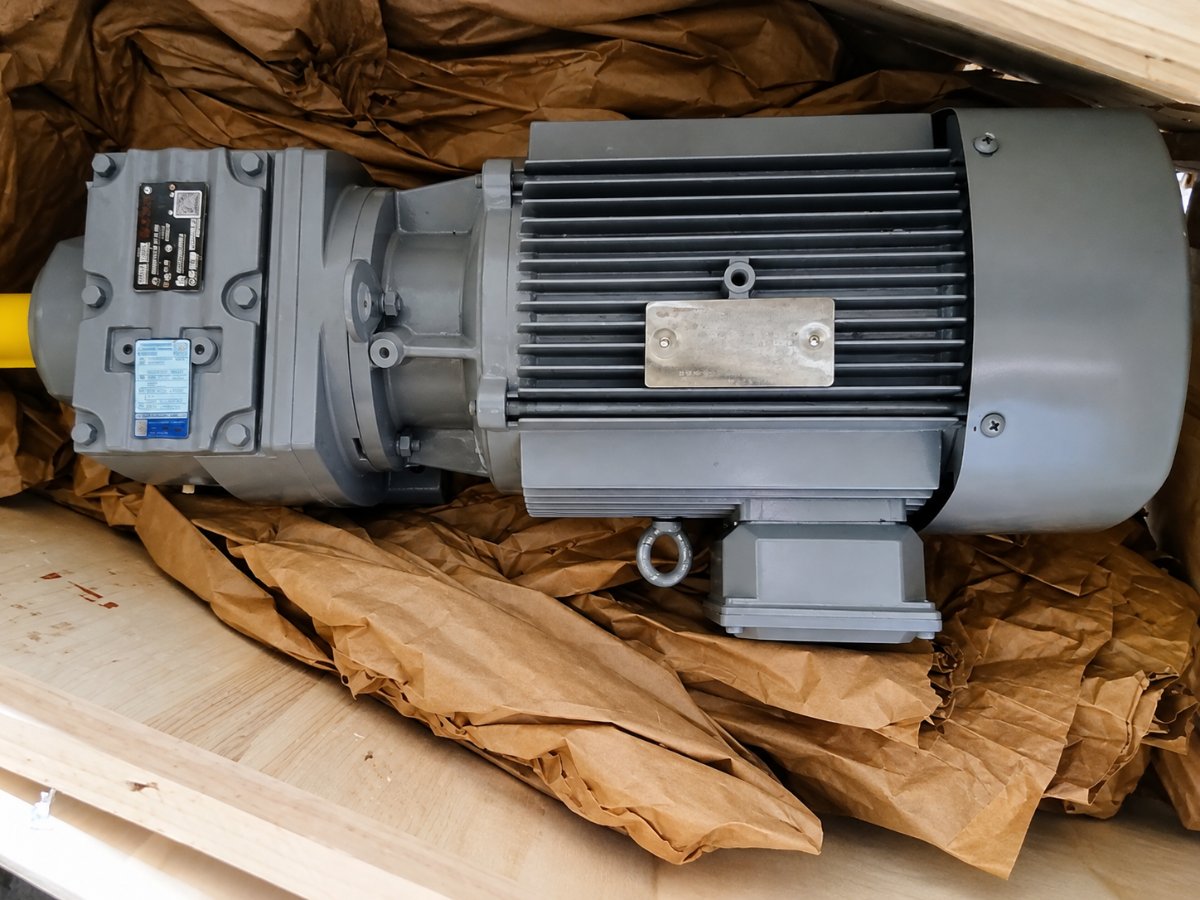
| Drives throughout | motors, gearboxes, drive belts, chains | by nameplate and marking |
| Controls | sensors, encoders, pneumatic valves, frequency converters | standard ones by number; boards with the maker's code from the maker |
This is a general list, not a list for your machine. The exact list is given by the spare parts catalog of the corrugator's maker.
Corrugating rolls: why they are the hardest
The corrugating roll is the most expensive and most critical part of the single facer. Its teeth constantly rub against paper under pressure and at high temperature. The roll is wider than the paper, so the middle wears faster than the edges, and the flute across the width becomes uneven.
Worn rolls are restored by regrinding until the profile is even again across the whole width, or replaced. The number of such restorations is limited by the thickness of the hardened layer of the roll: this is described in the patent literature, and the exact number depends on the roll. Rolls also have to be changed when switching to a different flute profile: each profile has its own rolls.
A new corrugating roll can be ordered only from exact data: flute profile, diameter, length of the working part, seats, material and coating, make of the corrugator. Without a drawing, or at least a roll passport, the order turns into guesswork.
Knives: ordering by sample or drawing
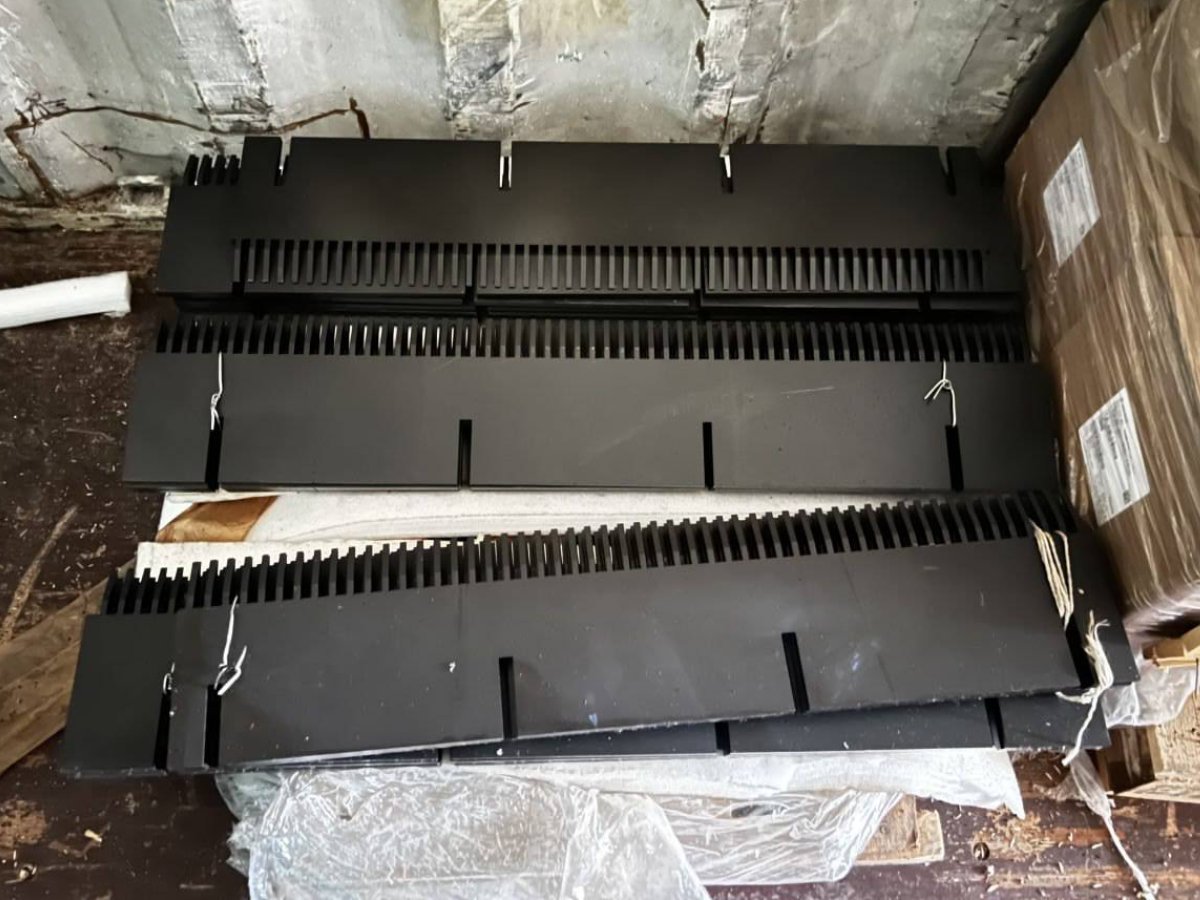
Slitter and cut-off knives are consumables. A blunt knife crushes the edge and leaves fuzz on it. Knives can be ordered from the manufacturer by drawing or by sample. You need to give:
- Knife type: disc, straight, toothed, counter knife.
- Dimensions: diameter or length, width, thickness, bore diameter, holes.
- Material or hardness, if known.
- A photo of the knife with a ruler and the make of the corrugator.
A toothed counter knife in the catalog, for example, is described by length, width and thickness. These are the figures the plant asks for.
Bearings, belts, motors
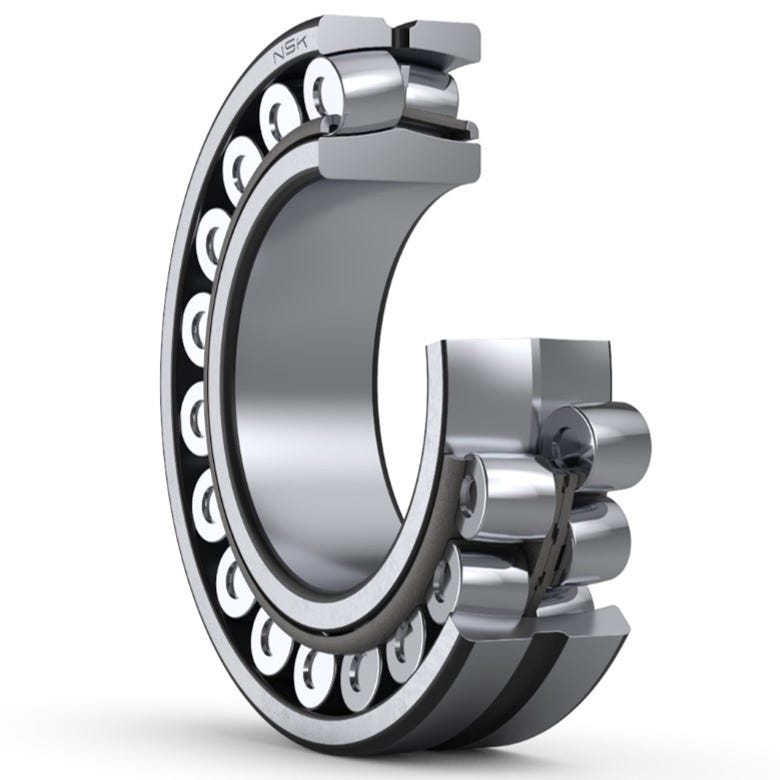
This is the simplest part of the order. The bearing number is copied from the ring in full, with all the letters. The belt is taken from the marking on its back: profile and length. The motor from the nameplate: power, speed, voltage, mounting version. How to read these markings is covered in separate articles.
What to ask yourself before ordering
- Do you have the spare parts catalog for your corrugator? In it every part has its own number.
- Is there a drawing of the roll or knife? If not, is there a whole removed part that can be measured?
- What would stop the line if it broke today? Those are the candidates for stock.
How we do it
- By number, drawing, sample or photo of the nameplate, we look for the item at the manufacturing plant. What we find, with the price, photos and specifications, we send before the order.
- If a part is made to a drawing, before production we agree the dimensions and tolerances with the plant in writing.
- We inspect the lot at the plant before shipment: part number, dimensions, lot, packaging.
What this article relies on
Below are the documents and materials we refer to, so that you can check what is said for yourself.
Reference materials
- Mitsubishi Heavy Industries, description of the 60H single facer: corrugating roll, pressure belt, glue rollmhi.com ↗
- Patent US 5324383 "Apparatus for forming laminated corrugated materials", background section: composition of the corrugator, wet and dry endspatents.google.com ↗
- Patent US 12257807 "Single facer for manufacturing a corrugated board with a pressing unit with a continuous flexible member": replacing corrugating rolls when the profile changes, the pressure belt as a wear unitpatents.google.com ↗
- Application US 2012/0193033 "Corrugating roll and method of reconditioning the same, and single facer", background section: uneven wear and regrinding of corrugating rollspatents.google.com ↗
The construction of the line is compiled from manufacturer descriptions and patents; the list of wear parts follows general practice. Spare parts catalogs of specific corrugators were not opened.