Scissor, mast or articulated lift: which one you need
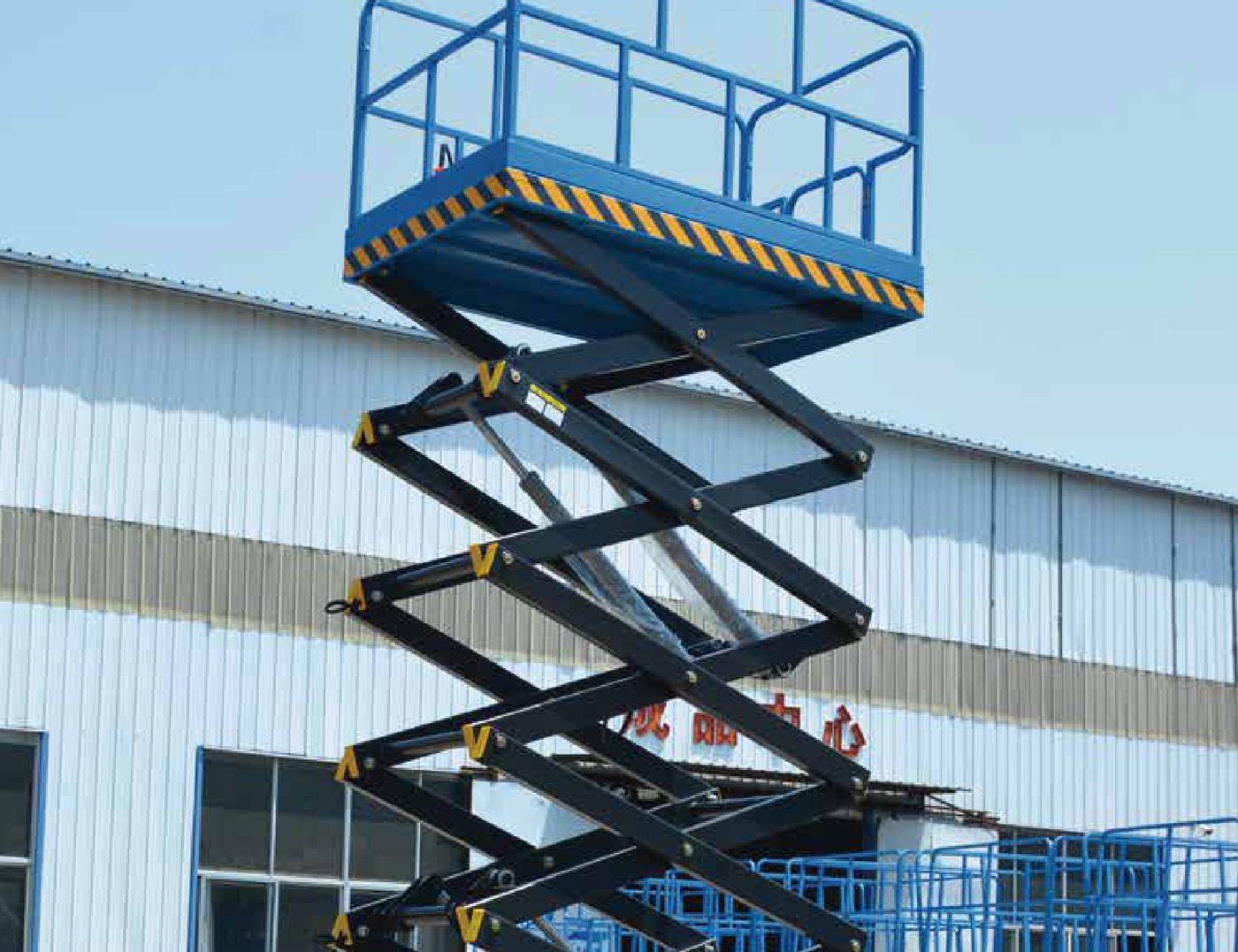
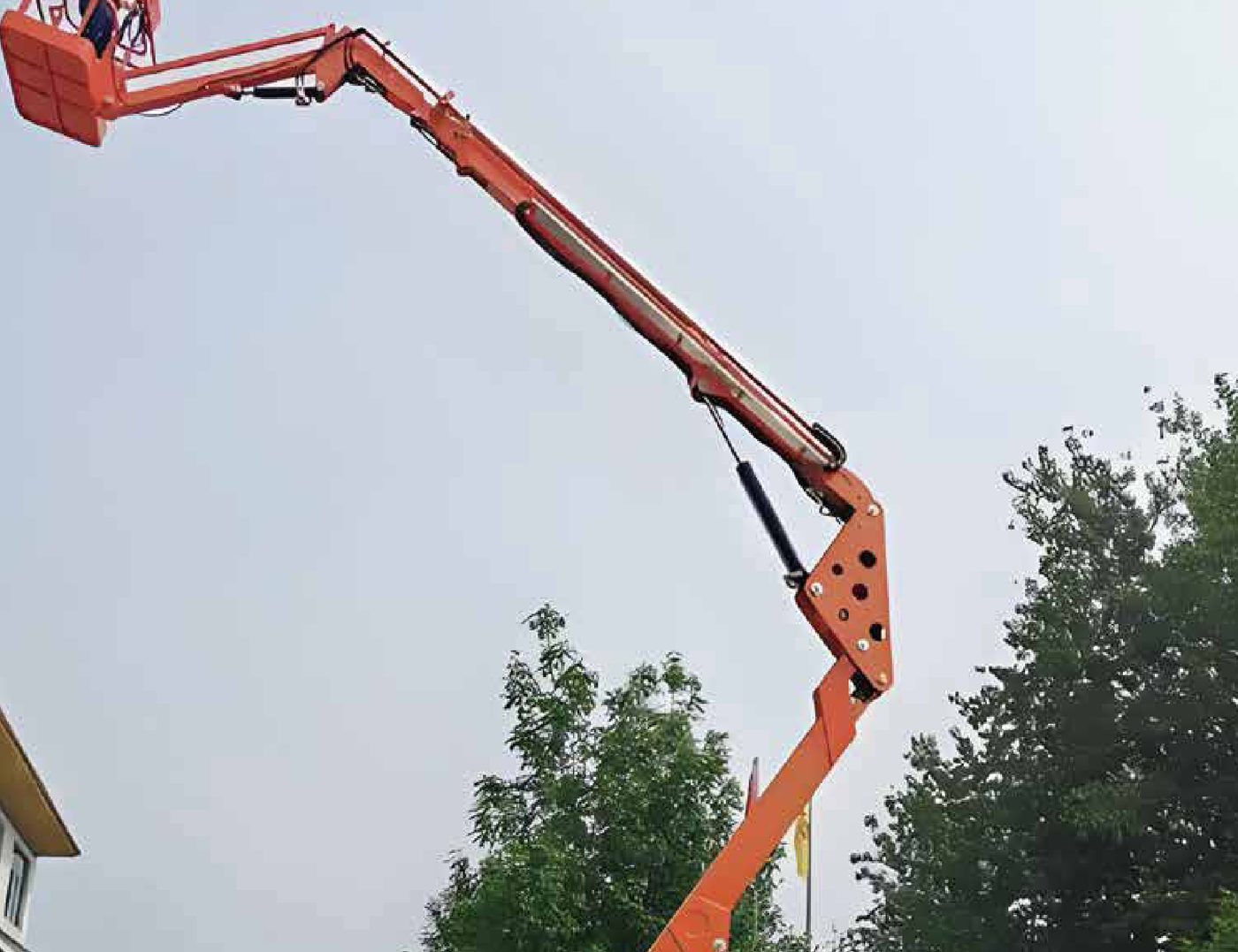
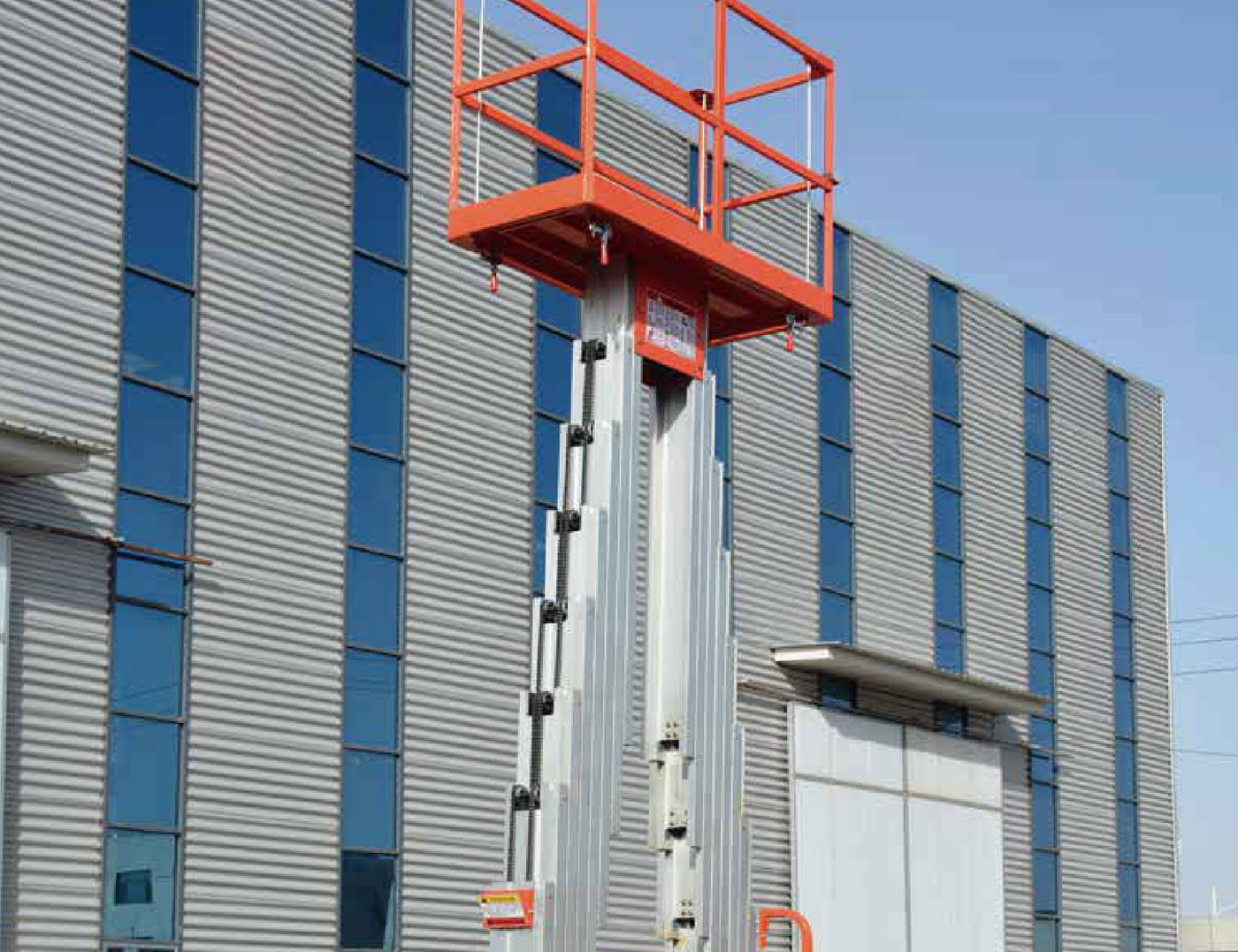
If you need to rise straight up and work on a wide platform, take a scissor lift. If space is tight, the floor is weak or the door is narrow, take a mast lift. If a machine, a stack or a bay is in the way and you must reach across it, take an articulated or telescopic boom lift. After that, choose travel, power and height.
Updated
Contents
A lift is chosen by one question: how will the basket reach the place of work. If the place is straight above the floor and the space below is clear, take a scissor lift: it raises a wide platform vertically, and two workers with tools fit on it. If the floor is weak, the aisle is narrow or the lift must be moved between floors, take a mast lift: it is light and takes little room. If a machine, a stack or a bay stands between the floor and the place of work, take a boom lift: the articulated one brings the basket in from above over the obstacle, the telescopic one reaches farther and higher. After the type, choose the travel, power supply and height.
Four types and their tasks
| Type | How it works | Strength | Limitation | Typical tasks |
|---|---|---|---|---|
| Scissor | the platform rises vertically on a scissor mechanism | wide platform, high capacity | no outreach: the space under the platform must be clear | light fittings, ventilation, cable routes, roofing from inside |
| Mast | the platform rises along one or more masts | light, narrow, fits through a door | small platform and capacity | servicing spaces where floor load and passage matter |
| Articulated | a boom of several sections with the basket at the end | takes the basket up and sideways, over an obstacle | basket capacity is lower than a scissor's | work over a machine, a stack, in a bay |
| Telescopic | a straight extending boom | greatest height and outreach | needs room for the boom and chassis | facades, high bays, work outdoors |
Working height and platform height
Catalogs give two heights, and they are confused.
Platform height is the height at which the basket floor stands in the raised position.
Working height is the height the worker can reach standing on the platform. In the taminota.com catalog it is about 2 meters more than the platform height: for a self-propelled scissor lift the platform height is 3.9–14 m and the working height 5.8–16 m. How your plant counts it, check in its catalog.
Count down from the ceiling or from the point of work. If a light fitting hangs at 10 meters, you need a working height of at least 10 meters, that is, a platform at 8 meters. Only a small height margin is needed. A lift that is taller than required is usually heavier and wider.
Outreach of a boom lift is how far the basket goes sideways from the chassis. It is measured from the slewing axis or from the edge of the machine; see how your plant states it.
Travel: self-propelled, mobile, trailer-mounted, tracked
- Self-propelled. Drives under its own power and is controlled from the platform. Convenient when the work follows a long route: from fitting to fitting.
- Mobile (towed). Has no drive of its own; it is moved by hand or by a tractor. Taken where the lift stands in one place for a shift.
- Trailer-mounted. The boom is on a trailer towed by a vehicle of the enterprise. Taken for seasonal and one-off work at different sites.
- Tracked. For soil, crushed stone and slopes where a wheel slips.
- On outriggers. The outriggers are deployed on site and spread the weight. Suitable where the floor load is limited.
The European standard for mobile elevating work platforms, EN 280-1, divides them by method of travel into three types. Type 1 travels only in the transport position, with the platform lowered. Type 2 can travel with the platform raised, with travel controlled from the chassis. Type 3 travels with the platform raised, controlled from the platform itself. By stability the standard divides lifts into two groups. Group A is those where the center of the platform stays inside the tipping lines in all positions. These are usually vertical lifts: scissor and mast. Group B is all the others, usually boom lifts.
Power: battery, mains, engine
- Battery. Quiet and without exhaust, suitable for a workshop. Space for charging is needed.
- Mains 220/380 V. For lifts that stay in one place: mobile and mast ones. A socket nearby is needed.
- Internal combustion engine. For outdoors and large sites.
What to check in the workshop before ordering
- Floor. What load it carries, whether there are slopes, pits, thresholds. A self-propelled lift has a stated gradeability; compare it with yours.
- Aisles and doors. Width and height of the narrowest point on the route. The folded lift must pass.
- Obstacles. What stands between the floor and the place of work: a machine, a pipeline, an overhead crane.
- Load on the platform. How many people and how much tooling and material go up with them. The platform capacity is stated in the catalog and must not be exceeded.
- Outdoors or workshop. Outdoors, wind, ground and power supply matter.
Who may work on a lift and whether the lift must be registered with the supervisory authority is not covered in this article. Ask an industrial safety and labor protection specialist before buying. A similar question for boilers is covered in the article on boiler approvals.
How we do it
- We select the lift at the manufacturing plant for your height, outreach, floor and platform load. What we find, with the plant's specifications, we send before the order.
- Where the answer must come from the plant (version, permissible gradient, wheel load), we ask it and pass on its word.
- We inspect the lot at the plant before shipment: part number, dimensions, lot, packaging.
What this article relies on
Below are the documents and materials we refer to, so that you can check what is said for yourself.
Standards and documents
- EN 280-1:2022 "Mobile elevating work platforms — Part 1: Design calculations — Stability criteria — Construction — Safety — Examinations and tests", description and definitions of groups and types on genorma.comtext ↗
Reference materials
- taminota.com catalog: scissor, mast, articulated and telescopic lifts — the manufacturing plant's specifications.
The EN standard is paid; only the description of its scope and the definitions of groups and types were used.